Nara Tanzania Safaris

Usa River, Arusha · Tanzania +255 652 135 520 info@naratanzaniasafaris.co.tz
NaraTanzania Safaris Plan your safari
The Big Five - 2400x1500 The Big Five hero - 2400x1500

The Experience

The Big Five

Lion, leopard, elephant, buffalo and rhino - the five animals that define an African safari, and where in Tanzania to find each of them.
FiveIconic animalsNgorongoroAll five in one placeYear-roundBig game

The experience

The term "Big Five" was coined by nineteenth-century big-game hunters to describe the five animals considered most dangerous and difficult to hunt on foot - the lion, leopard, elephant, Cape buffalo and rhinoceros. Today the phrase has been reclaimed by safari-goers and photographers, for whom the Big Five represent the ultimate checklist of an African wildlife trip, and Tanzania is one of the finest places on earth to see all five.

What makes the Big Five special is not just their fame but the range of habitats and effort involved in finding them. A single safari that takes in all five - the lion on the open plains, the elusive leopard in a riverine tree, the elephant herds at a waterhole, the buffalo in their massed thousands, and the critically endangered rhino - is a genuinely rich journey across Tanzania's varied landscapes. The Ngorongoro Crater is the one place where seeing all five in a single day is realistically possible, but the wider northern and southern circuits each offer their own Big Five opportunities.

The Big Five in Tanzania - 2400x1350 The Big Five band - 2400x1350

Lion, leopard, elephant, buffalo and rhino - the five animals that define an African safari, and where in Tanzania to find each of them.

The five

Meet the five.

Each of the Big Five has its own character, habitat and best places to see it. Here is what to look for, and where.

Often seenTakes patienceThe hard one
01Often seen
Lion
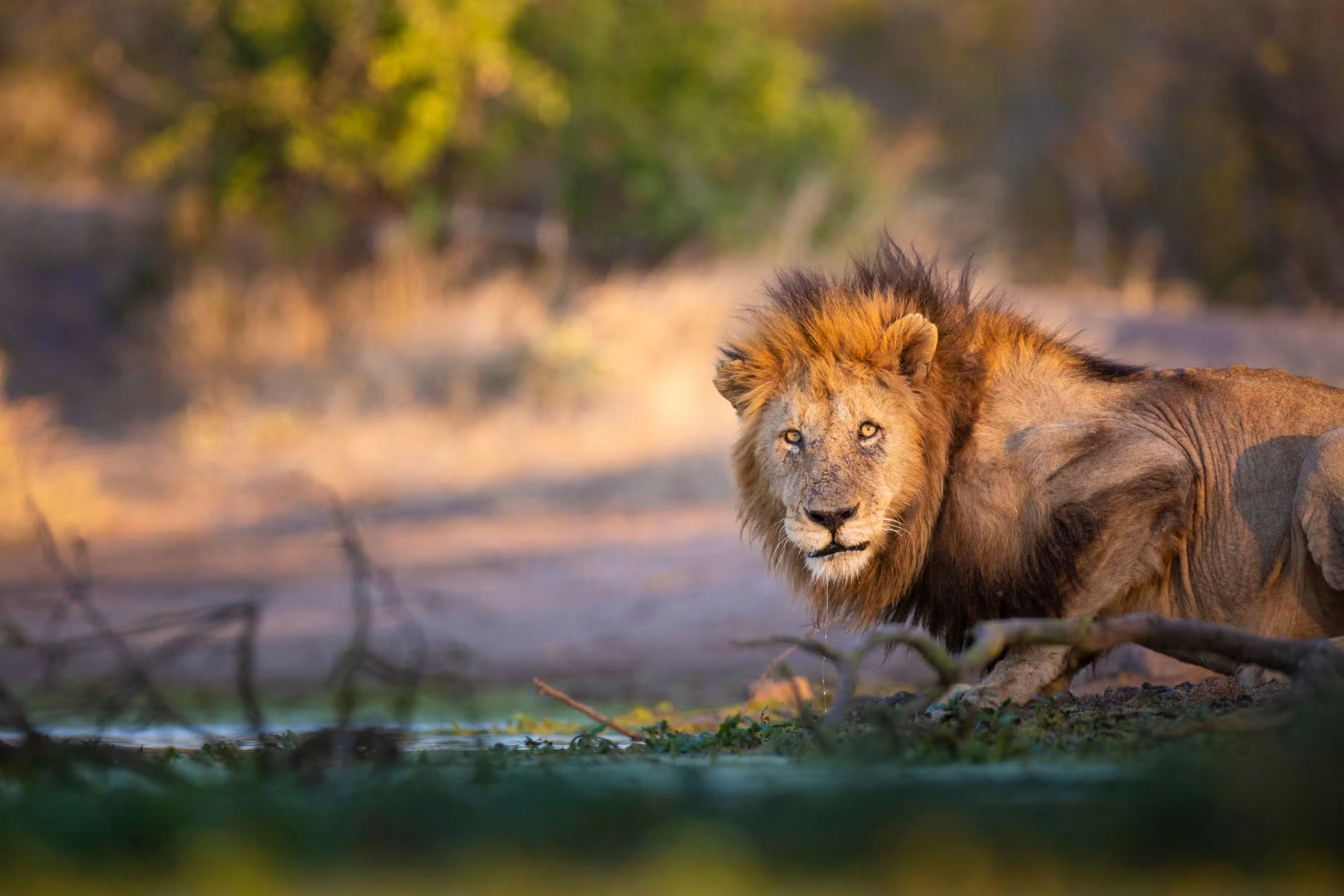
The Serengeti and Ngorongoro hold some of Africa’s largest lion populations, and the open plains make them relatively easy to see - often in large, habituated prides resting in the grass or on a kopje.
02Often seen
Elephant
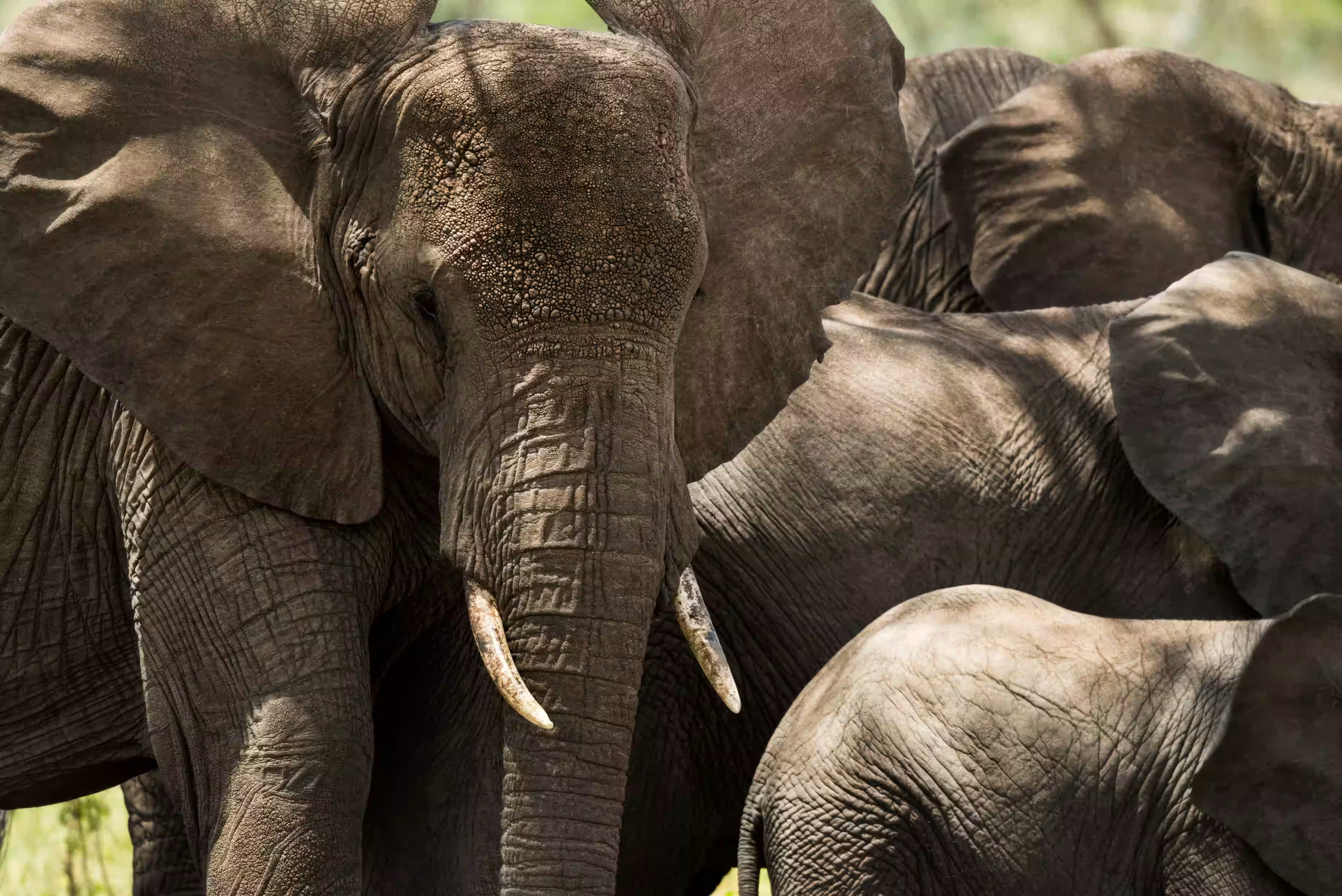
Tarangire is famous for its great elephant herds, and elephant are common across the northern and southern parks, gathering at rivers and waterholes in the dry season.
03Often seen
Buffalo
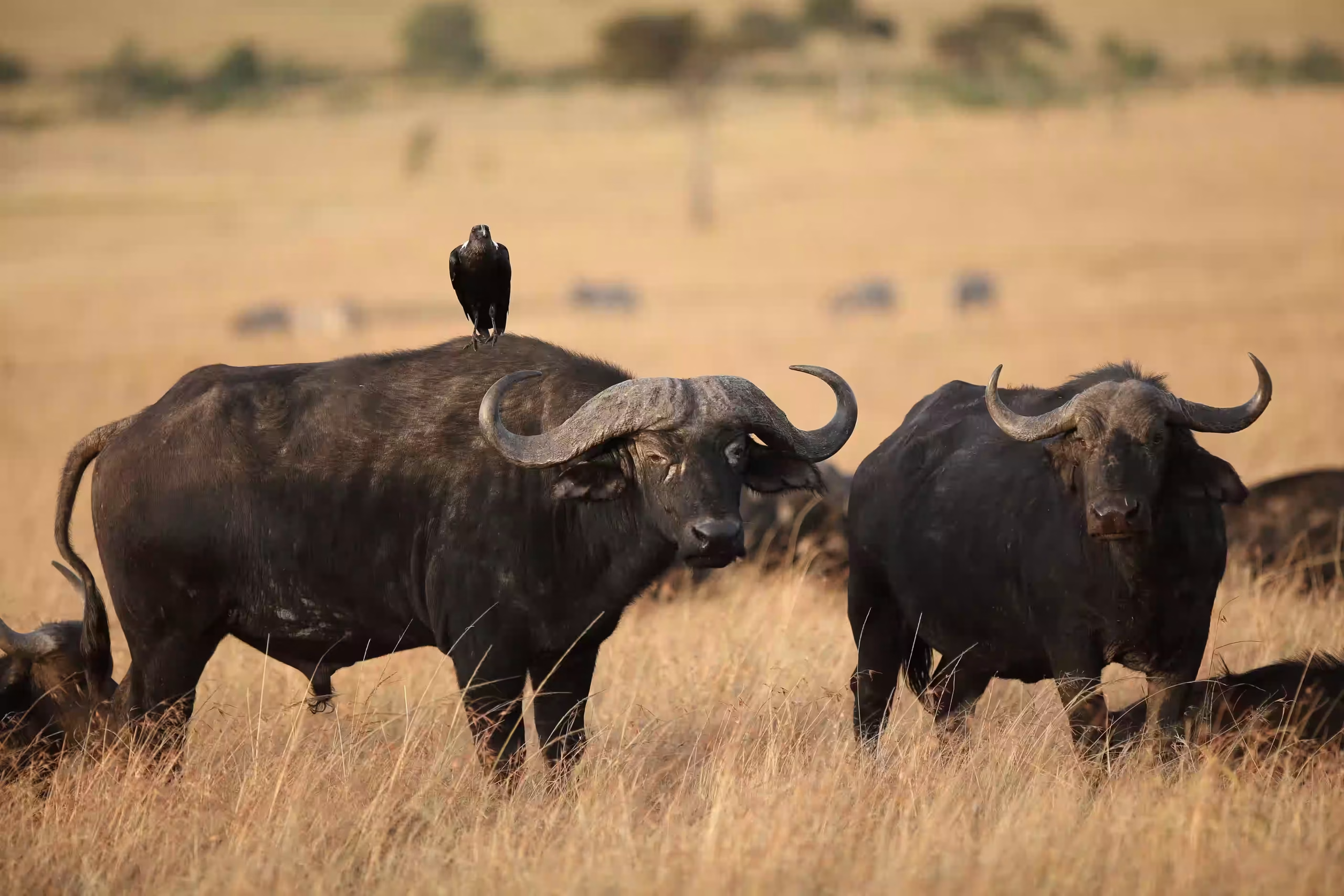
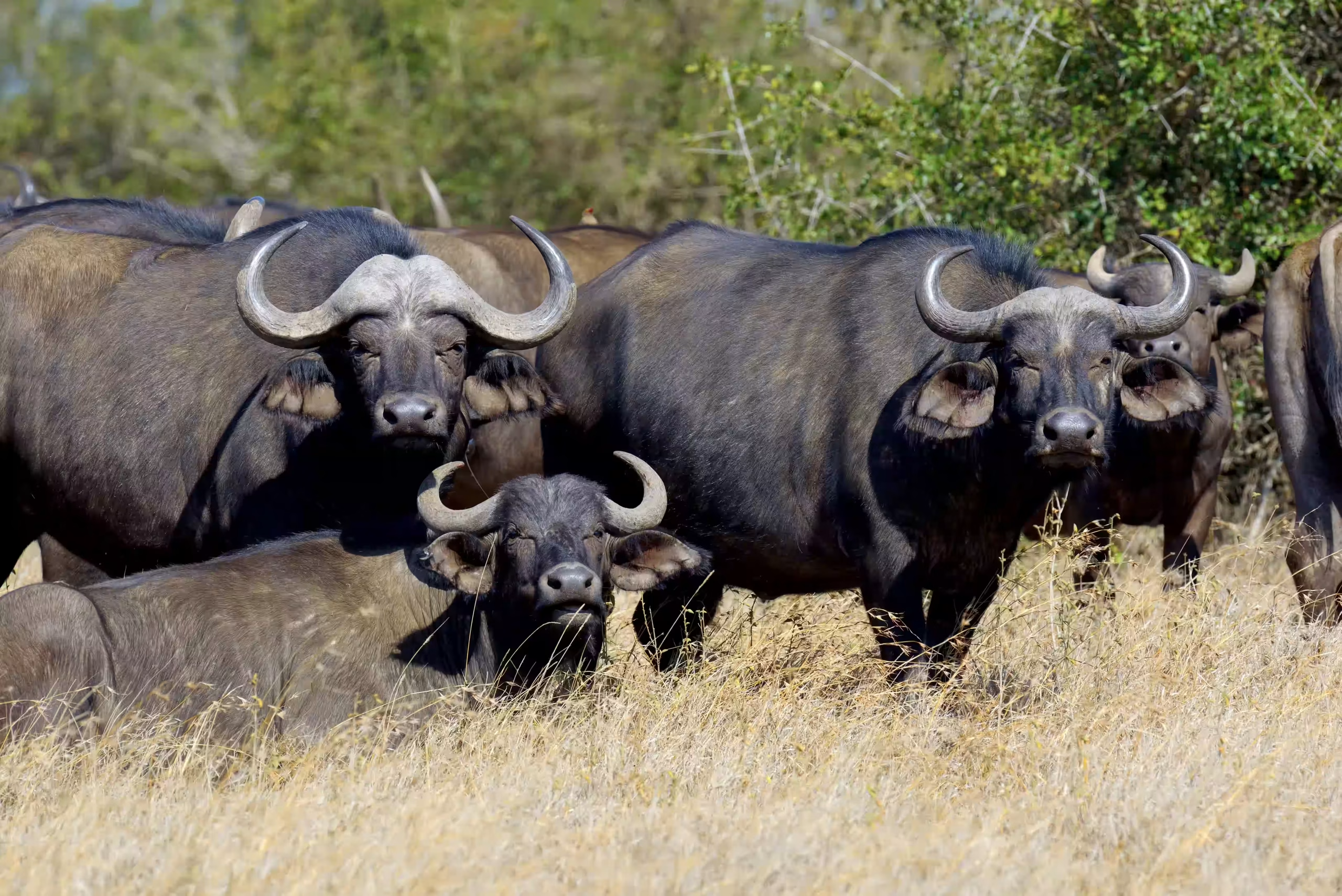
Cape buffalo are widespread and often seen in large herds, particularly in the Serengeti, Ngorongoro and the southern parks. Katavi holds some of the largest herds in Africa.
04Takes patience
Leopard
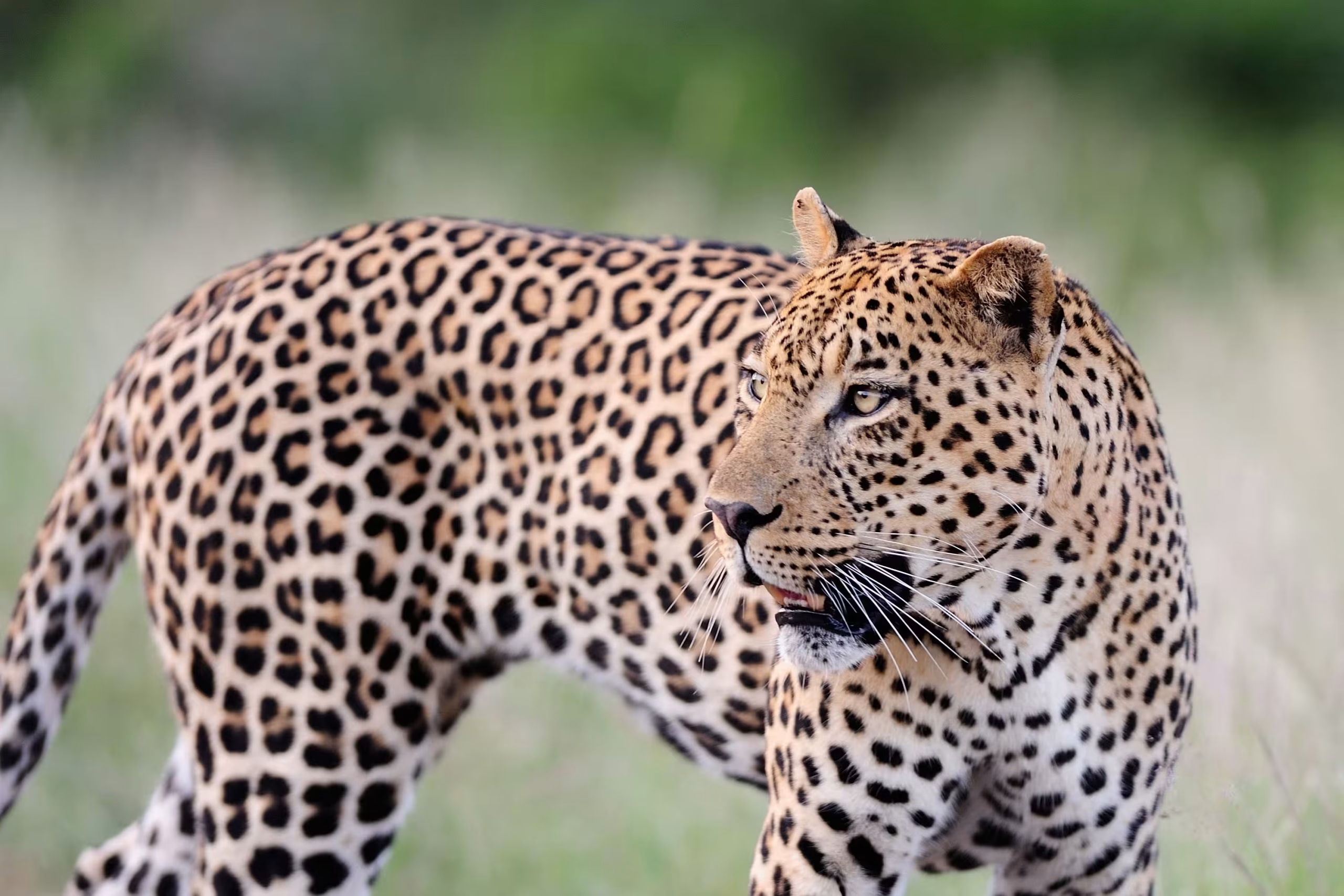
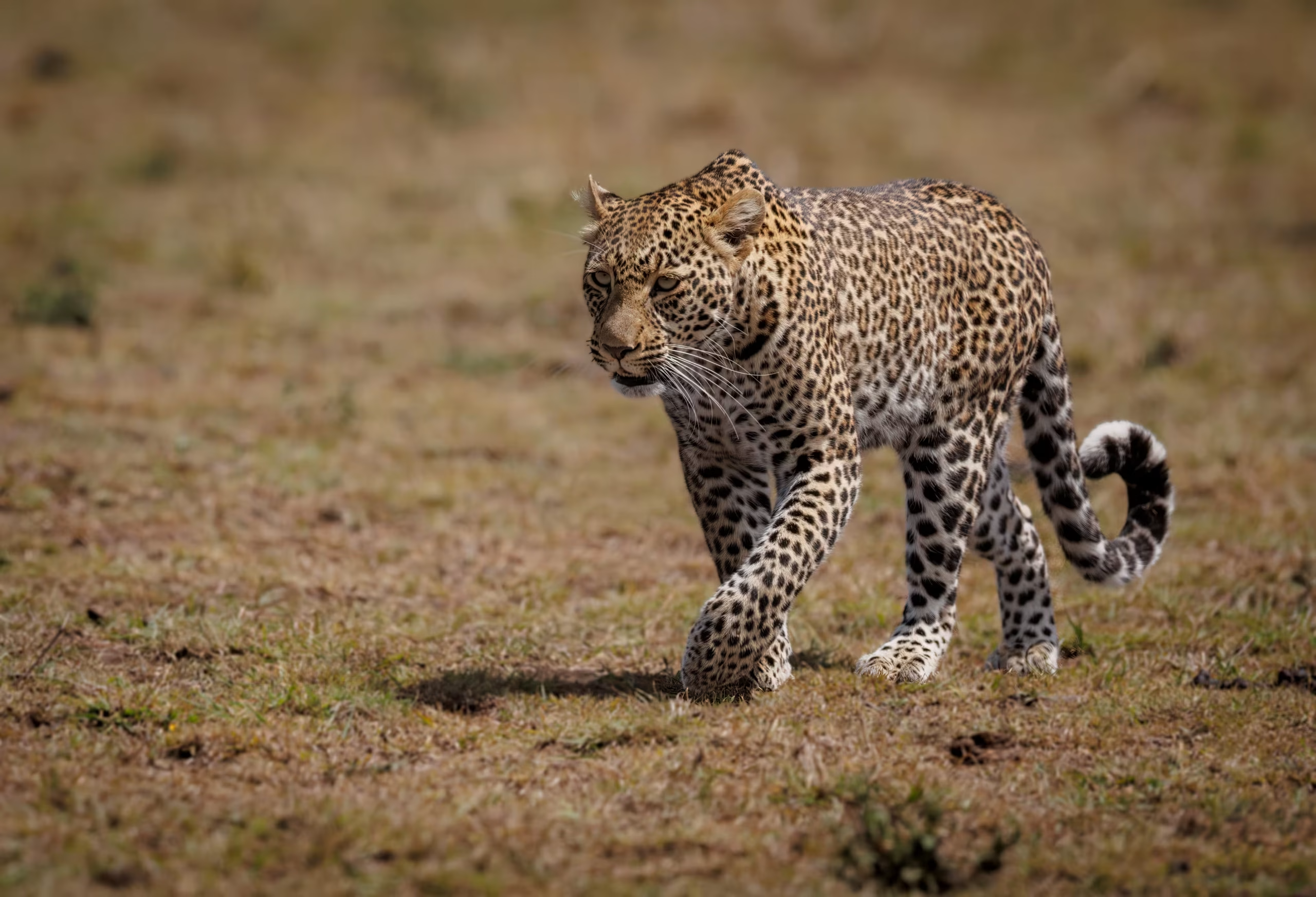
The most elusive of the cats, leopard are best sought in the Seronera Valley of the central Serengeti, where they drape themselves in the sausage trees. Patience and a good guide are key.
05The hard one
Rhino
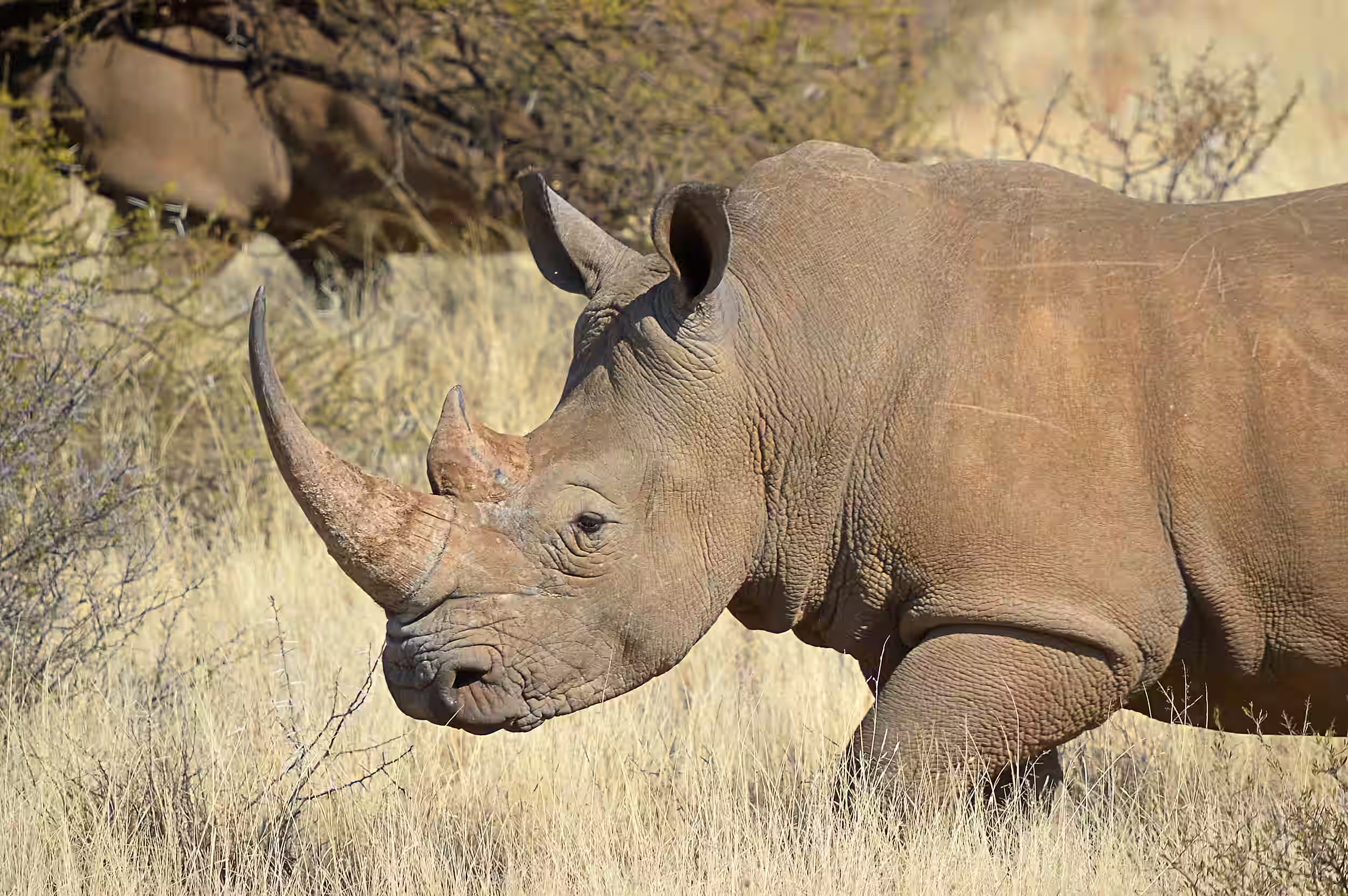
The critically endangered black rhino is the hardest to find. The Ngorongoro Crater offers the best chance in Tanzania, with a small protected population on the crater floor.

The best place

Where to see all five.

If seeing all five in one trip is the goal, the northern circuit is the answer, and the Ngorongoro Crater is its centrepiece. The crater is the one place in Tanzania where all five - including the elusive black rhino - live within a compact, enclosed space, making a single-day Big Five sighting a realistic possibility. No other destination in the country offers the same concentration.

A classic Big Five safari pairs the crater with the Serengeti, for its lions and leopards, and Tarangire, for its elephants and buffalo. This northern-circuit combination, over five to seven days, gives excellent odds on all five while taking in the region's finest wildlife and scenery. In the south, Nyerere and Ruaha hold four of the five in strong numbers - lion, leopard, elephant and buffalo - though rhino are effectively absent, so the far south is better thought of as a Big Four destination with a wilder, less-crowded feel.

Planning

How to see the Big Five.

A Big Five safari is really a question of building the right route and giving yourself enough time. Because the five animals favour different habitats and parks, a multi-park itinerary gives far better odds than a single destination - the classic approach is a northern-circuit loop of the Ngorongoro Crater, the Serengeti and Tarangire.

How long you need. Allow at least five days for a realistic shot at all five, and six or seven to do it comfortably while enjoying the wildlife rather than racing between parks. The rhino is the variable - it is only reliably found in the Ngorongoro Crater, so a night at the crater and a morning on its floor should be built into any Big Five itinerary.

The role of a guide. For the elusive leopard in particular, an experienced guide who knows the Seronera trees and reads the bush makes an enormous difference. Timing helps too: the dry season, from June to October, concentrates wildlife around water and thins the vegetation, making all five easier to find. A good guide, the right parks and a few days' patience are the recipe for the full set.

Is it for you?

Who it suits.

First-time safari-goers

The Big Five is the classic safari goal, and ticking off all five across the northern circuit makes for an unforgettable, satisfying first trip to Africa.

Photographers

Each of the five is a photographic prize in its own right - from a lion pride at dawn to a leopard in a tree - and the varied parks offer a rich portfolio in a single trip.

Wildlife enthusiasts

For those who want to see Africa’s most iconic megafauna, a Big Five safari delivers the full cast, including the rare and endangered black rhino.

Bucket-list travellers

Seeing all five of these legendary animals in the wild is a genuine bucket-list achievement, and Tanzania is one of the best places on earth to do it.

Questions

The Big Five questions.

The Big Five are the lion, leopard, elephant, Cape buffalo and rhinoceros. The term was coined by big-game hunters for the five animals hardest to hunt on foot, and is now used by safari-goers as the classic checklist of an African wildlife trip. Tanzania is one of the best places to see all five.
The Ngorongoro Crater is the best place in Tanzania to see all five - including the elusive black rhino - in a single day, thanks to its compact, enclosed setting. A classic Big Five safari pairs the crater with the Serengeti (lion, leopard) and Tarangire (elephant, buffalo) over five to seven days.
The black rhino is by far the hardest to see, being critically endangered and present in very few places. In Tanzania, the Ngorongoro Crater offers the best chance. The leopard is the next most elusive, best sought in the Seronera Valley of the central Serengeti with patience and a good guide.
Allow at least five days for a realistic chance of all five, and six or seven to do it comfortably. Because the animals favour different parks, a multi-park northern-circuit route - the Ngorongoro Crater, Serengeti and Tarangire - gives the best odds, with the crater essential for the rhino.
The southern parks - Nyerere and Ruaha - hold four of the five (lion, leopard, elephant and buffalo) in strong numbers, but rhino are effectively absent. The far south is best thought of as a wilder, less-crowded Big Four destination rather than a full Big Five one.
The dry season, from June to October, is best, as wildlife concentrates around water and the thinner vegetation makes all five easier to find. That said, the Ngorongoro Crater’s resident populations, including rhino, can be seen year-round, so the Big Five are accessible in any season.

Ready to experience it?

Tell us what you have in mind and a guide in Arusha will build you a route - within 24 hours, from a person, not a brochure.

Loading itinerary…
Saved Trips