Nara Tanzania Safaris

Usa River, Arusha · Tanzania +255 652 135 520 info@naratanzaniasafaris.co.tz

NaraTanzania Safaris Plan your safari
Arusha National Park - 2400x1500 Arusha National Park hero - 2400x1500

Arusha National Park

A compact park of forest, crater and lake in the shadow of Mount Meru — and the rare place you can walk and canoe among wildlife.
552 km²Park area4,566 mMount MeruWalking& canoe safaris

01 The place

Arusha, in short.

Arusha National Park is the most accessible park in Tanzania, lying just outside the city of Arusha and a short drive from Kilimanjaro International Airport — yet it is one of the most scenically varied and least crowded. In 552 square kilometres it packs together three distinct zones: the montane forest and jagged peak of Mount Meru, the string of alkaline Momella Lakes, and the collapsed caldera of Ngurdoto Crater. It makes a superb first or last day of a safari, and a genuine destination in its own right.

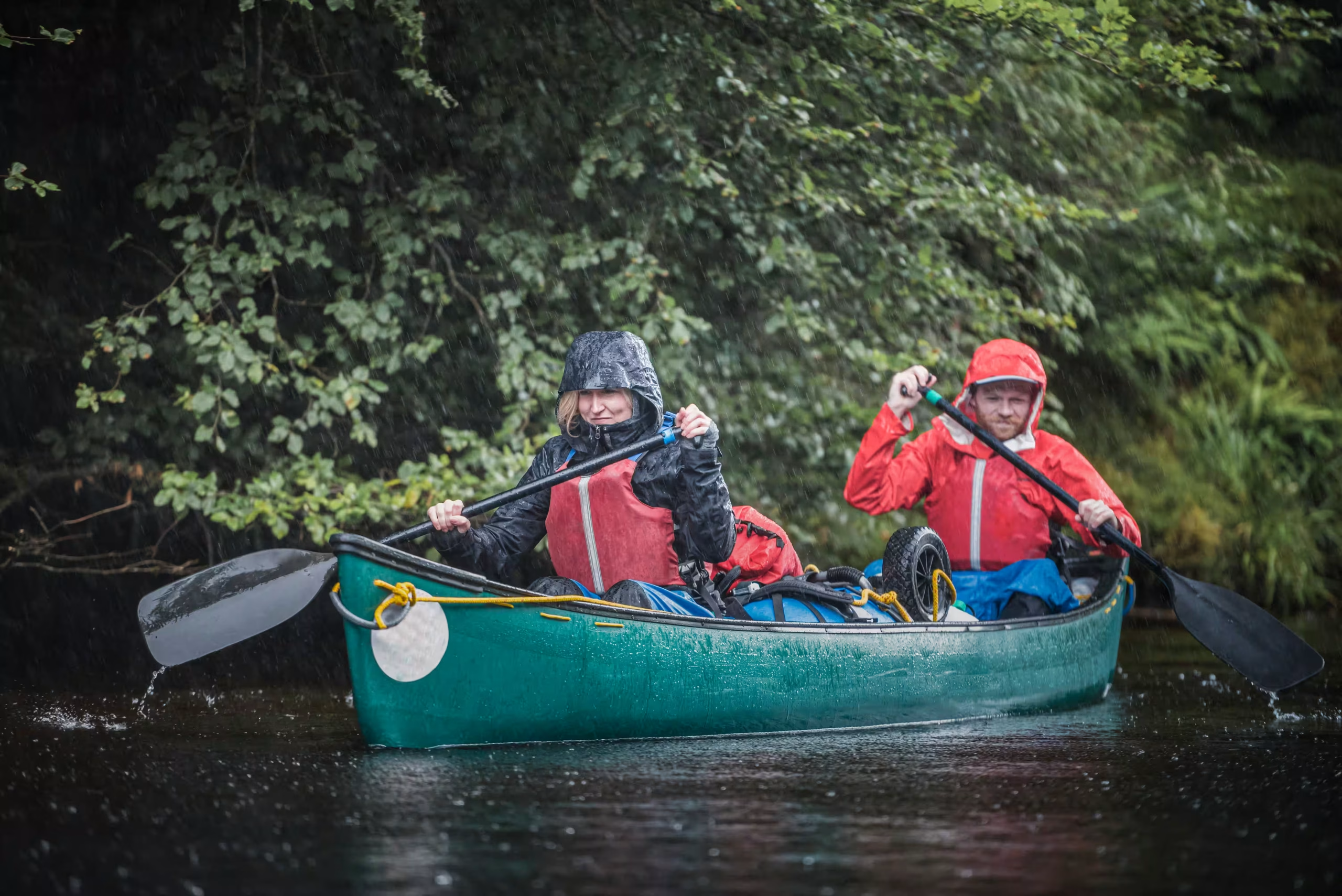
What makes Arusha special is what it allows. Because dangerous big game is relatively scarce, this is one of the few parks in Tanzania where you can explore on foot with an armed ranger, or canoe on the Momella Lakes among waterbirds and grazing giraffe. Towering over it all is Mount Meru — at 4,566 metres, Tanzania's second-highest mountain and one of the finest climbs in the country, often used as an acclimatisation trek before Kilimanjaro.

02 The wildlife

The wildlife.

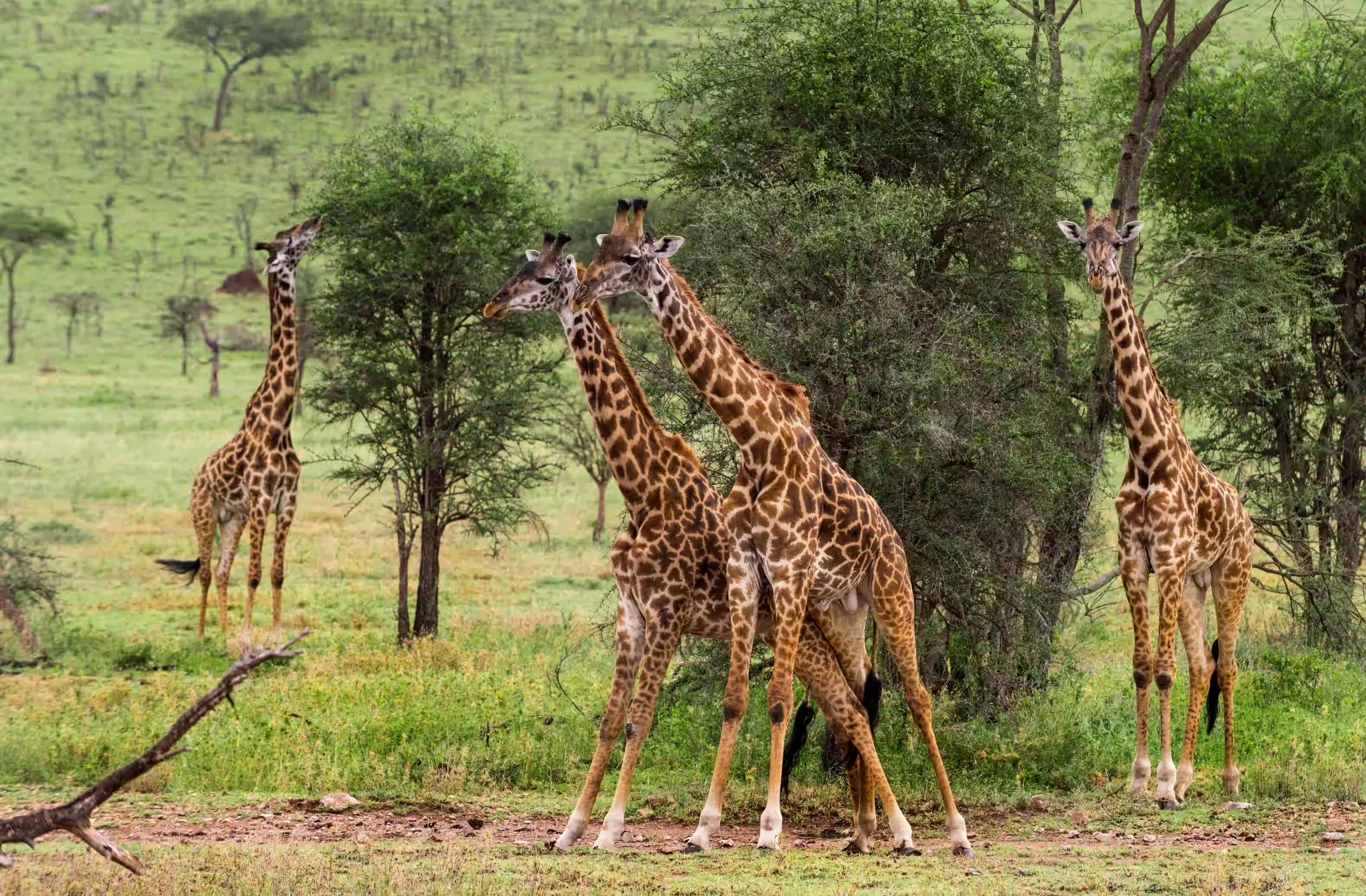
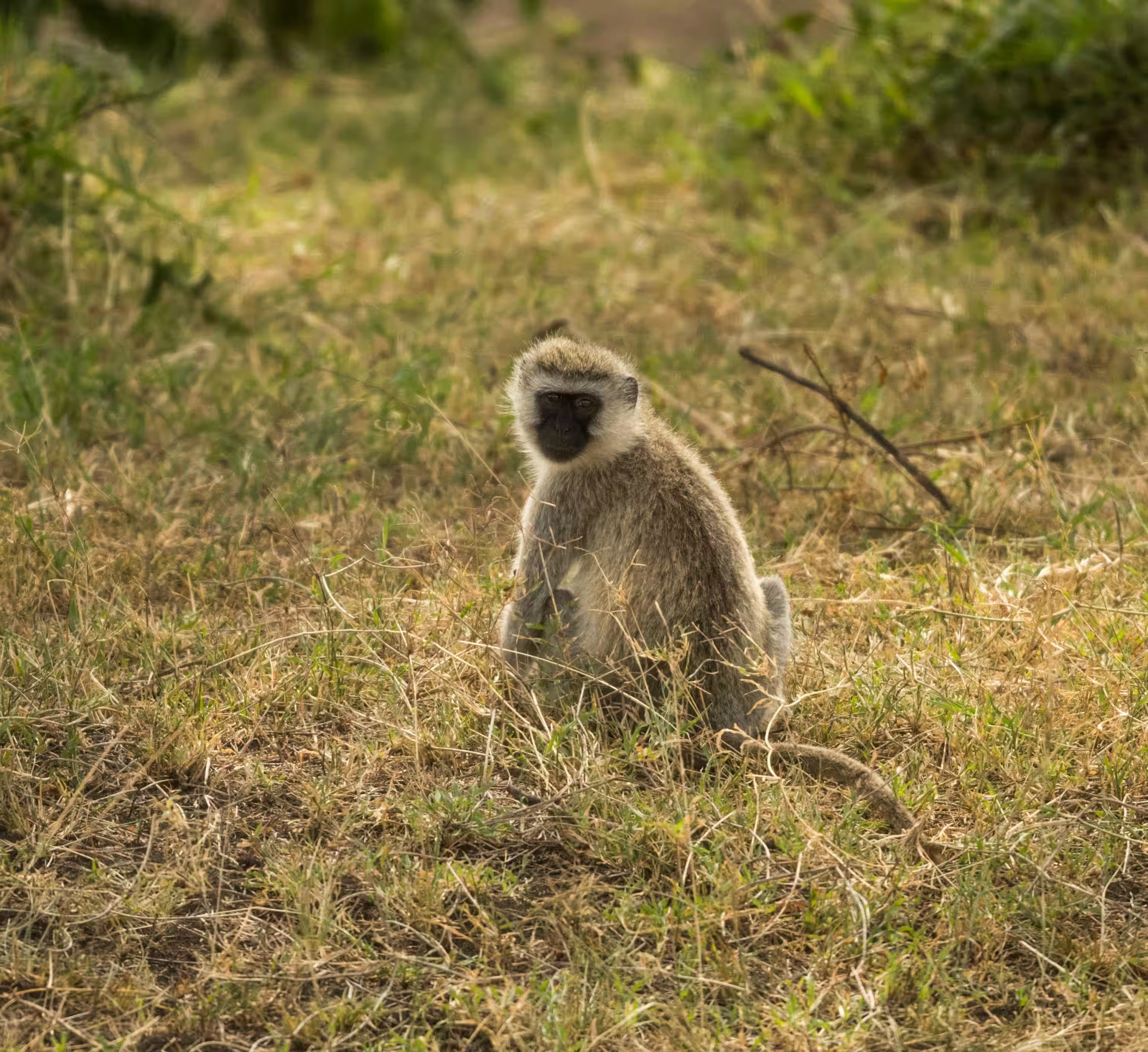
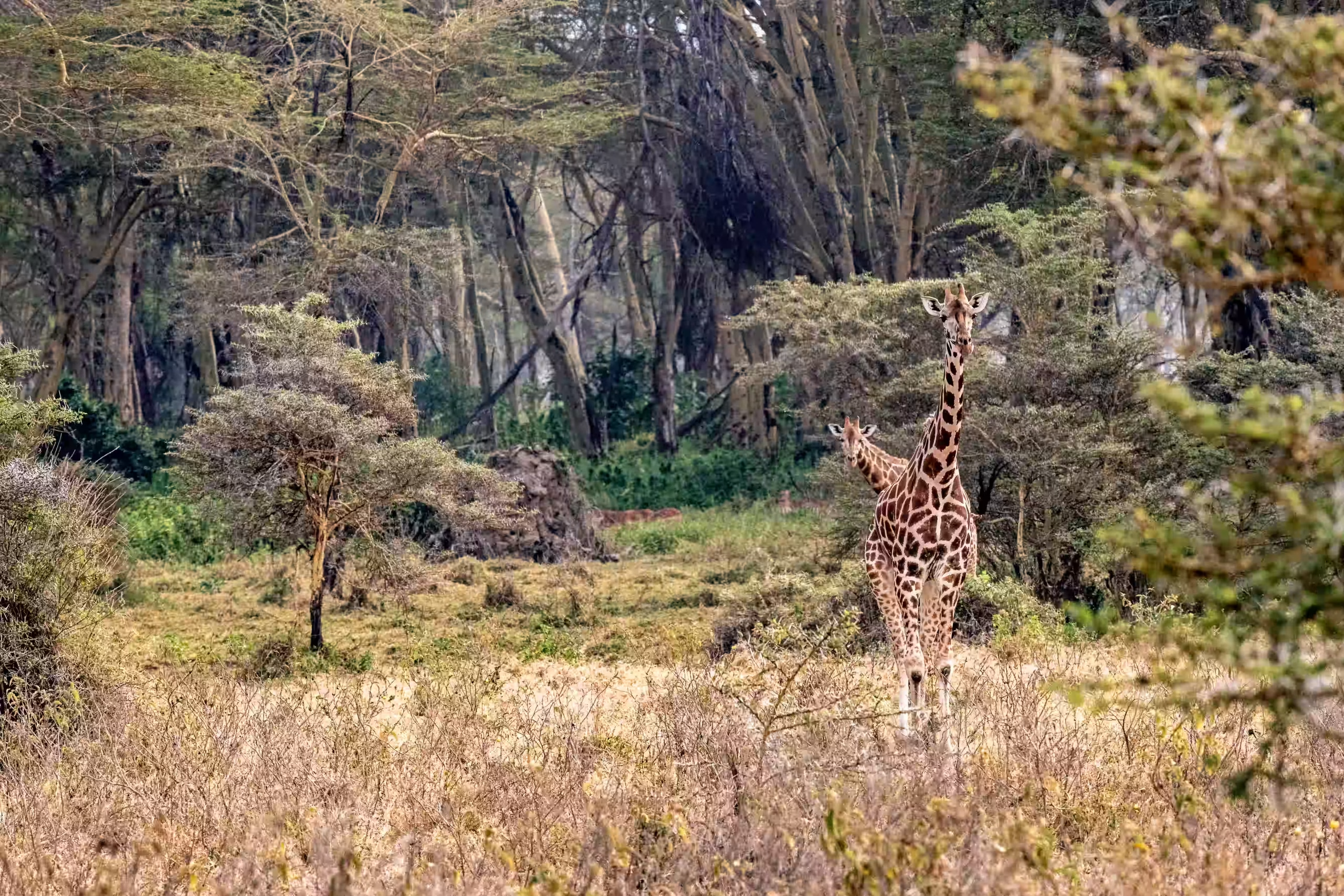
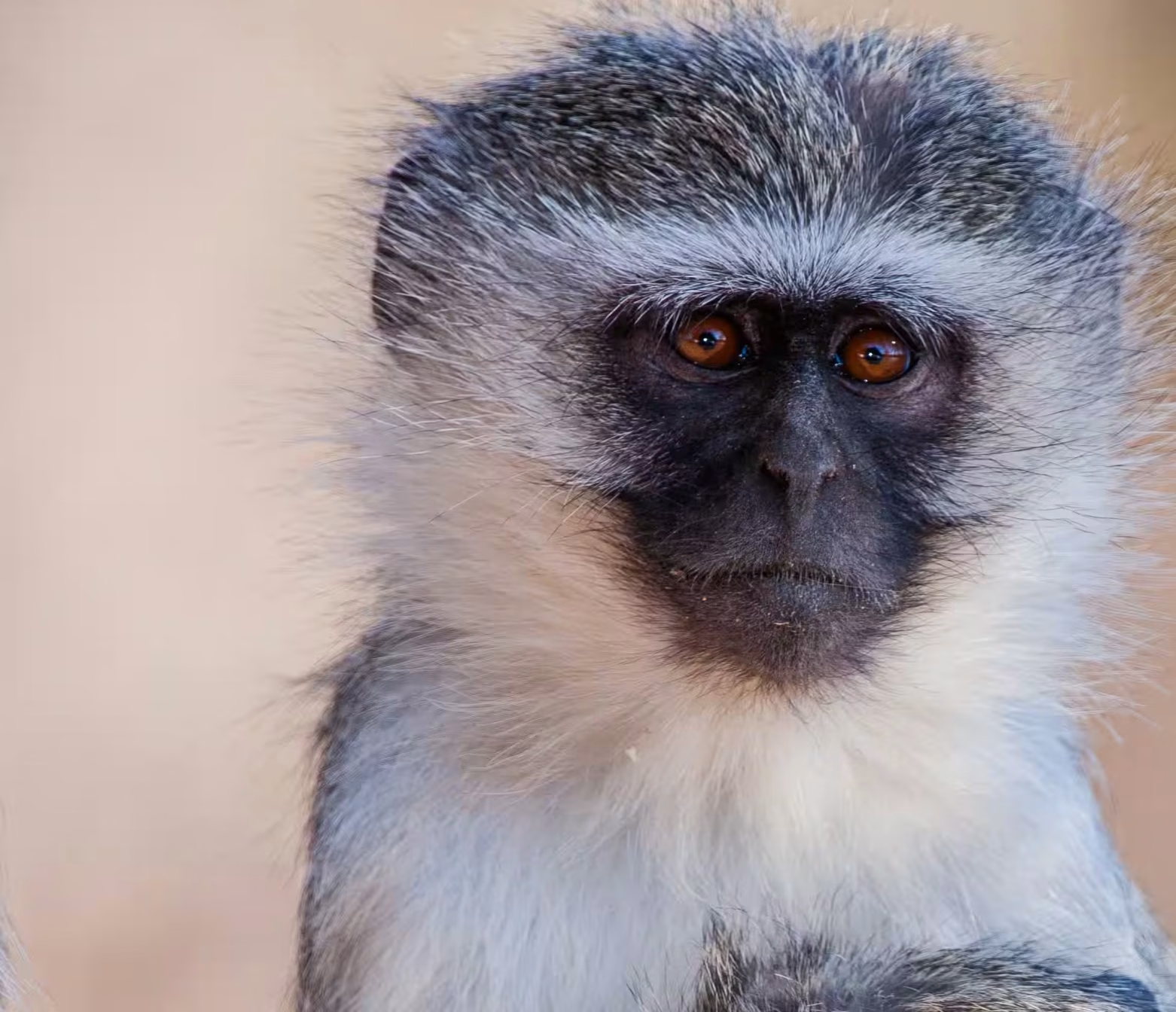
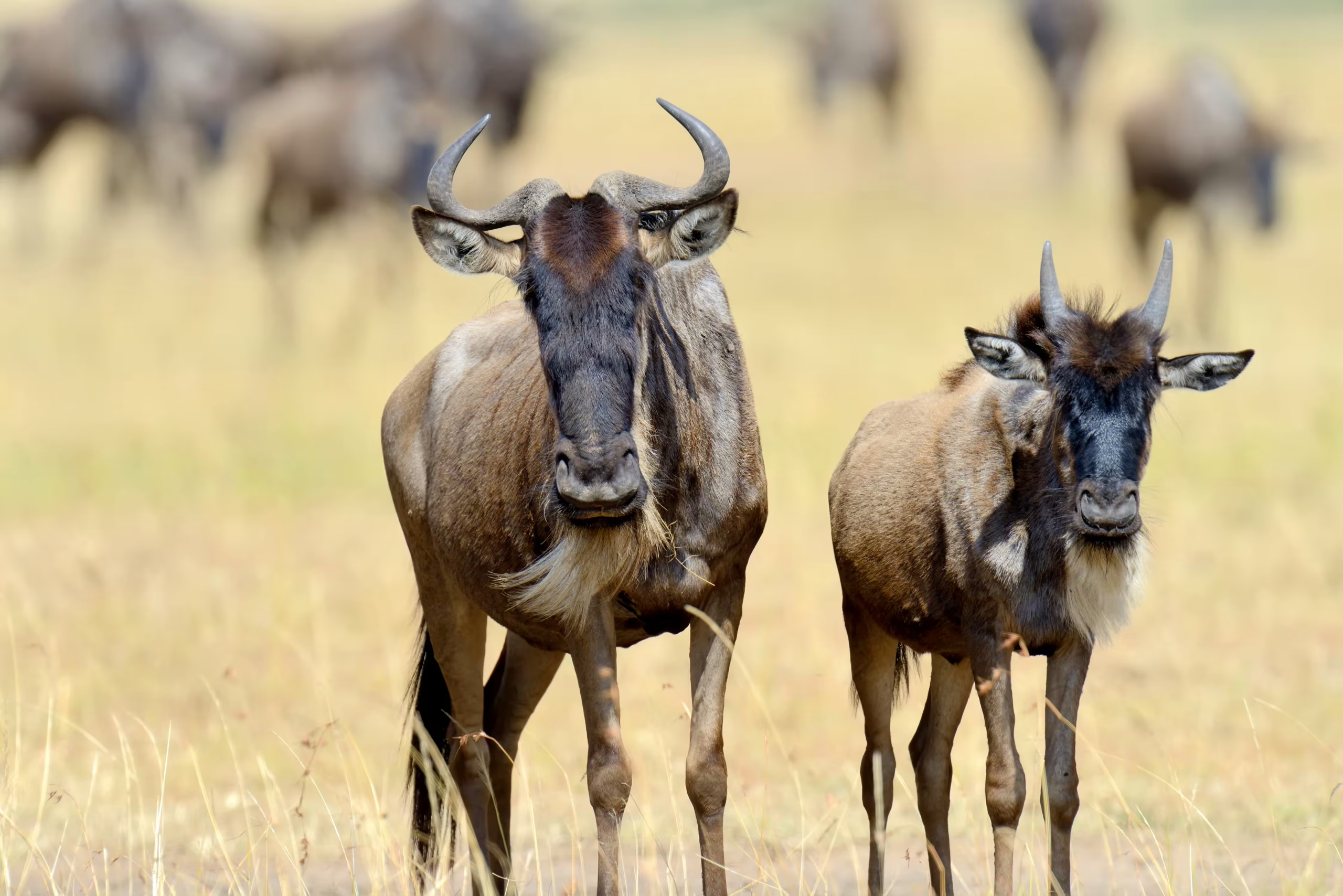
Arusha's wildlife is different in character from the great plains parks. It is the best place in Tanzania to see the black-and-white colobus monkey, which moves through the montane forest canopy in troops, its long white mantle streaming. Giraffe are abundant and famously relaxed on the Momella grasslands, and the park holds buffalo, zebra, warthog, bushbuck, waterbuck and the occasional elephant. Leopard and hyena are present but seldom seen.

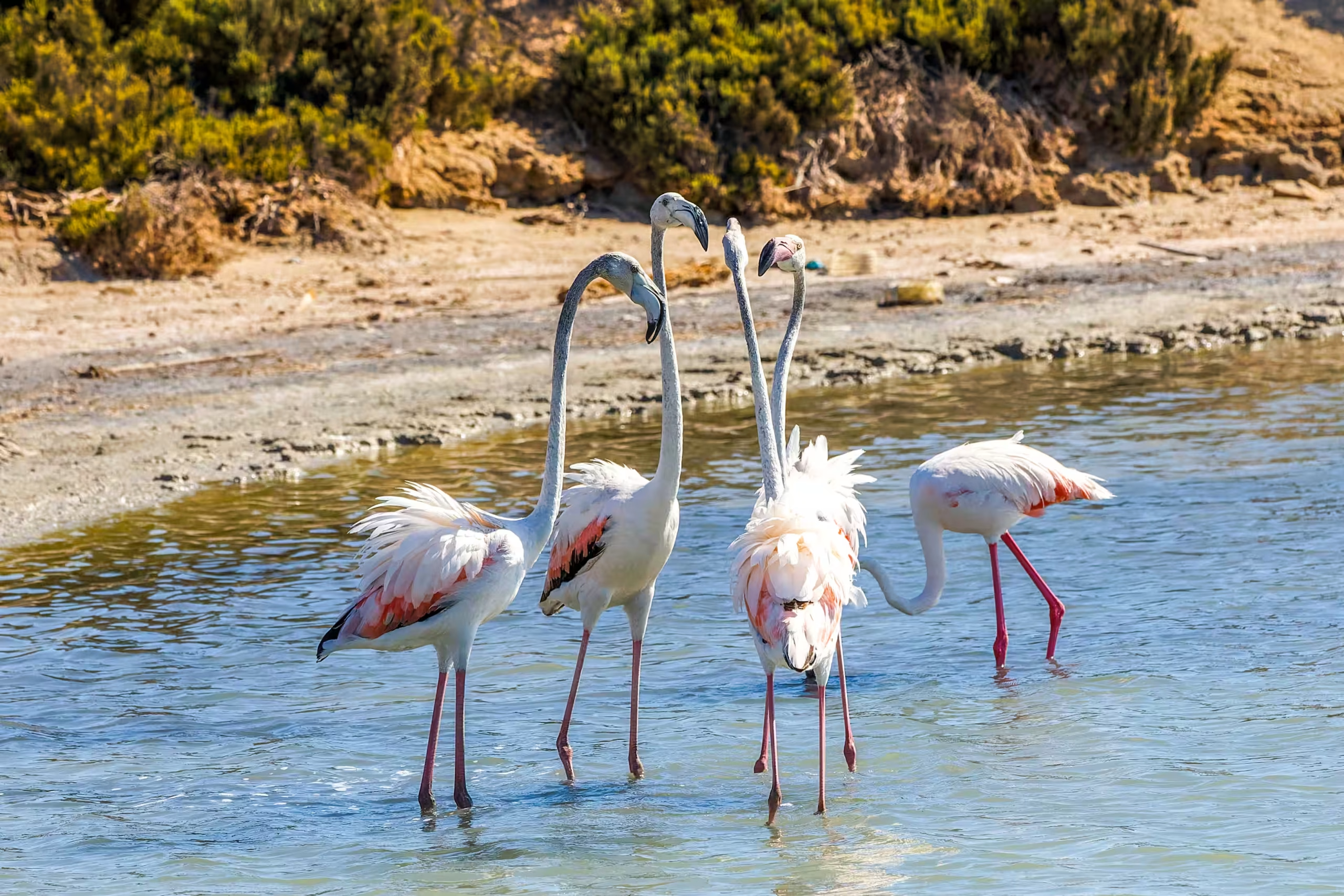
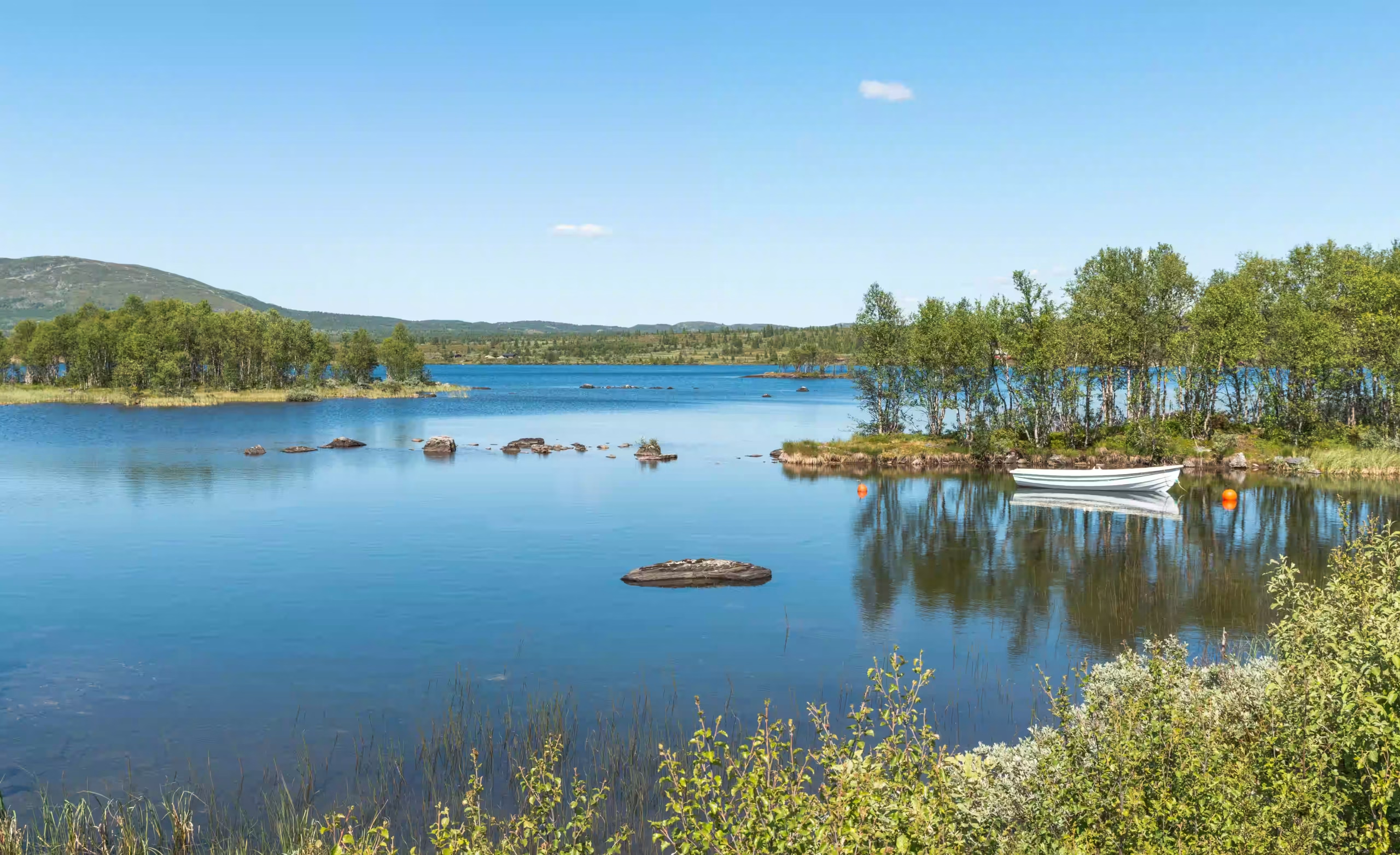
The Momella Lakes are the park's wildlife stage. Fed by underground streams and varying in mineral content — so each lake is a slightly different colour — they draw flamingos, pelicans, and a wealth of resident and migratory waterfowl. The forests hold turacos, trogons and the trumpeter hornbill, making Arusha a rewarding birding destination. What the park lacks in lion and rhino it makes up for in intimacy: the ability to walk and canoe here brings you closer to the landscape and its wildlife than a vehicle ever can.

03 When to go

The best time to visit.

Arusha National Park can be visited year-round, and its proximity to the city means it works as a half-day or full-day trip in any season. The dry season, June to October and again from December to February, offers the clearest views of Mount Meru and Kilimanjaro beyond, the best walking and canoeing conditions, and the easiest wildlife viewing.

The wet season, March to May, brings lush green forest and excellent birding as migratory species arrive, though the peaks are often shrouded in cloud and trails can be muddy. For climbing Mount Meru, the drier months are strongly preferred for safety and views. For the classic combination of clear mountain views, forest walks and canoeing among the lakes, aim for the dry season.

A black-and-white colobus monkey in the forest canopy - 2400x1350 Arusha band - 2400x1350

A compact park of forest, crater and lake in the shadow of Mount Meru — and the rare place you can walk and canoe among wildlife.

04 The regions

Where to go, and when.

Arusha's three zones each offer something distinct. Mount Meru dominates the west — a dormant volcano whose ash cone rises from a horseshoe crater, climbed over three to four days through forest, moorland and alpine desert to a dramatic summit ridge. The Momella Lakes in the east are the park's waterbird haven and the setting for canoe safaris, ringed by grassland where giraffe graze. Ngurdoto Crater, sometimes called a 'little Ngorongoro', is a lush collapsed caldera whose swampy floor — closed to vehicles to protect it — is viewed from forested rim lookouts. Linking them all is the montane forest, home to the park's colobus monkeys and forest birds.

Mount Meru - Arusha National Park - 1200x900Region - Mount Meru - 1200x900

Mount Meru

Tanzania's second-highest peak, a three-to-four-day climb and a superb Kilimanjaro warm-up.
The Momella Lakes - Arusha National Park - 1200x900Region - The Momella Lakes - 1200x900

The Momella Lakes

Coloured alkaline lakes that draw flamingos and waterbirds — and the setting for canoe safaris.

Ngurdoto Crater - Arusha National Park - 1200x900Region - Ngurdoto Crater - 1200x900

Ngurdoto Crater

A lush 'little Ngorongoro', its swampy floor viewed from forested rim lookouts.
Walking Safaris - Arusha National Park - 1200x900Region - Walking Safaris - 1200x900

Walking Safaris

One of the few Tanzanian parks where you can explore on foot with an armed ranger.

05 Getting there

How to get there.

Arusha National Park is the easiest park in Tanzania to reach: its main gate lies about 35 kilometres from the city of Arusha and roughly 60 kilometres from Kilimanjaro International Airport, well under an hour's drive. This makes it the ideal first stop straight from the airport, or a relaxed final day before flying home. Because it is so close, it is almost always visited as a day trip rather than an overnight, though there are lodges within and around the park. For those climbing Mount Meru, the Momella Gate is the trailhead.

07 The route

A sample Arusha itinerary.

Day 01

Airport or Arusha to the park

A short drive to Arusha National Park for a day of forest game drives, colobus monkeys and views of Mount Meru — an ideal first day straight from the airport.

Day 02

Walking & canoe safari

A guided walking safari with an armed ranger through the forest and grassland, followed by a canoe safari on the Momella Lakes among waterbirds and giraffe.

Day 03

Ngurdoto Crater & onward

A morning at the Ngurdoto Crater viewpoints before continuing to Tarangire or the northern circuit.

Day 04

Continue the safari

Onward to the northern parks, or a return to Arusha to fly home.

08 Questions

Arusha safari questions.

Arusha National Park is known for Mount Meru — Tanzania's second-highest mountain — the coloured Momella Lakes with their flamingos, the Ngurdoto Crater, and its black-and-white colobus monkeys. It is one of the few parks where you can take walking and canoe safaris, and it is the most accessible park in the country.
Yes. Because dangerous big game is relatively scarce, Arusha National Park is one of the few places in Tanzania where you can explore on foot with an armed ranger, and also canoe on the Momella Lakes among waterbirds and giraffe — a rare, intimate way to experience the wildlife.
Arusha National Park is about 60 kilometres from Kilimanjaro International Airport and 35 kilometres from the city of Arusha — under an hour's drive. This makes it the ideal first stop straight from the airport or a relaxed final day before flying home.
The dry seasons (June–October and December–February) offer the clearest mountain views, best walking and canoeing conditions and easiest wildlife viewing. The wet season (March–May) brings lush forest and excellent birding but often cloud-covered peaks. For climbing Mount Meru, the drier months are strongly preferred.
Mount Meru is usually climbed over three to four days, ascending through montane forest, moorland and alpine desert to a dramatic summit ridge at 4,566 metres. Many climbers use it as an acclimatisation trek before attempting Kilimanjaro.
No — Arusha National Park has buffalo and elephant but lion and rhino are essentially absent and leopard are rarely seen, so it is not a Big Five destination. Its appeal is its scenery, its colobus monkeys and giraffe, and the rare chance to walk and canoe among wildlife.

Ready to see Arusha?

Tell us how you want to travel and a guide in Arusha will build you a route - within 24 hours, from a person, not a brochure.

Loading itinerary…
Saved Trips