Usa River, Arusha · Tanzania
+255 652 135 520
info@naratanzaniasafaris.co.tz

LOGONaraTanzania Safaris
Mega feature — Land Cruiser, Ndutu plains — 800×1000
Handmade journeys
LOGONaraTanzania Safaris
Lake Manyara National Park hero - 2400x1500
A jewel-box of a park beneath the Rift Valley escarpment — tree-climbing lions, flamingo-pink shallows, and forest full of birds.
01 The place
Lake Manyara National Park packs an astonishing variety of landscapes into a small space. Squeezed between the sheer wall of the Great Rift Valley escarpment and the shore of its namesake alkaline lake, the park covers just 330 square kilometres — yet within them lie groundwater forest, open grassland, acacia woodland, hot springs and the vast soda lake that gives the park its silver-and-pink horizon. Ernest Hemingway called the area "the loveliest I had seen in Africa," and it remains one of the most scenic parks on the northern circuit.
Most visitors come to Lake Manyara as a half-day stop between Arusha and the Ngorongoro Crater, and it makes a superb introduction to a Tanzanian safari. The park is famous above all for its tree-climbing lions — an unusual behaviour seen in only a few places in Africa — and for the flamingos that colour the lake shallows pink in their thousands. Compact, varied and easy to reach, it delivers a great deal in a short visit.
02 The wildlife
Lake Manyara's fame rests on its tree-climbing lions, which drape themselves along the branches of acacia and sausage trees during the heat of the day — a behaviour that remains only partly explained and is seen regularly in very few places on the continent. Beyond the lions, the park's groundwater forest holds large troops of baboon and blue monkey, and the woodlands are home to elephant, buffalo, giraffe, zebra, impala and hippo, which gather at the hippo pool in the north.
It is the birdlife, though, that truly distinguishes Lake Manyara — over 400 species have been recorded in this small park. The alkaline lake draws great flocks of lesser flamingo, which feed on its algae and turn the shallows pink, alongside pelicans, storks, herons and a wealth of migratory waterfowl. The forest canopy holds silvery-cheeked hornbills and crowned eagles, and the varied habitats mean a birder can tally an extraordinary list in a single morning. The park's diversity of habitats in such a small area is its great strength.
03 When to go
Lake Manyara is a rewarding visit year-round, and its compact size means it works well as a half-day stop in any season. The dry season, June to October, concentrates wildlife and makes for the easiest game viewing, and the reduced foliage improves sightings in the forest.
The wet season, November to May, is the best time for birds and for flamingos, as water levels rise and migratory species arrive in force — this is when the lake is at its most spectacularly pink and full of life. The scenery is greenest and most beautiful in these months, though some areas can flood. For the classic combination of tree-climbing lions and flamingo-lined shallows, the shoulder months either side of the rains are ideal.
Lake Manyara band - 2400x1350
A jewel-box of a park beneath the Rift Valley escarpment — tree-climbing lions, flamingo-pink shallows, and forest full of birds.
04 The regions
Lake Manyara's appeal is the way its habitats change as you drive south from the entrance gate. The groundwater forest at the northern entrance is lush and shaded, fed by springs from the escarpment, and alive with baboons, monkeys and forest birds. Beyond it, open grassland and acacia woodland hold the elephants, giraffe and the famous tree-climbing lions. The lakeshore itself draws the flamingos, pelicans and waterbirds to its alkaline shallows. In the south lie the hot springs of Maji Moto, steaming at the foot of the escarpment, and the quieter reaches of the park where night drives and walking are possible in the adjoining concessions.
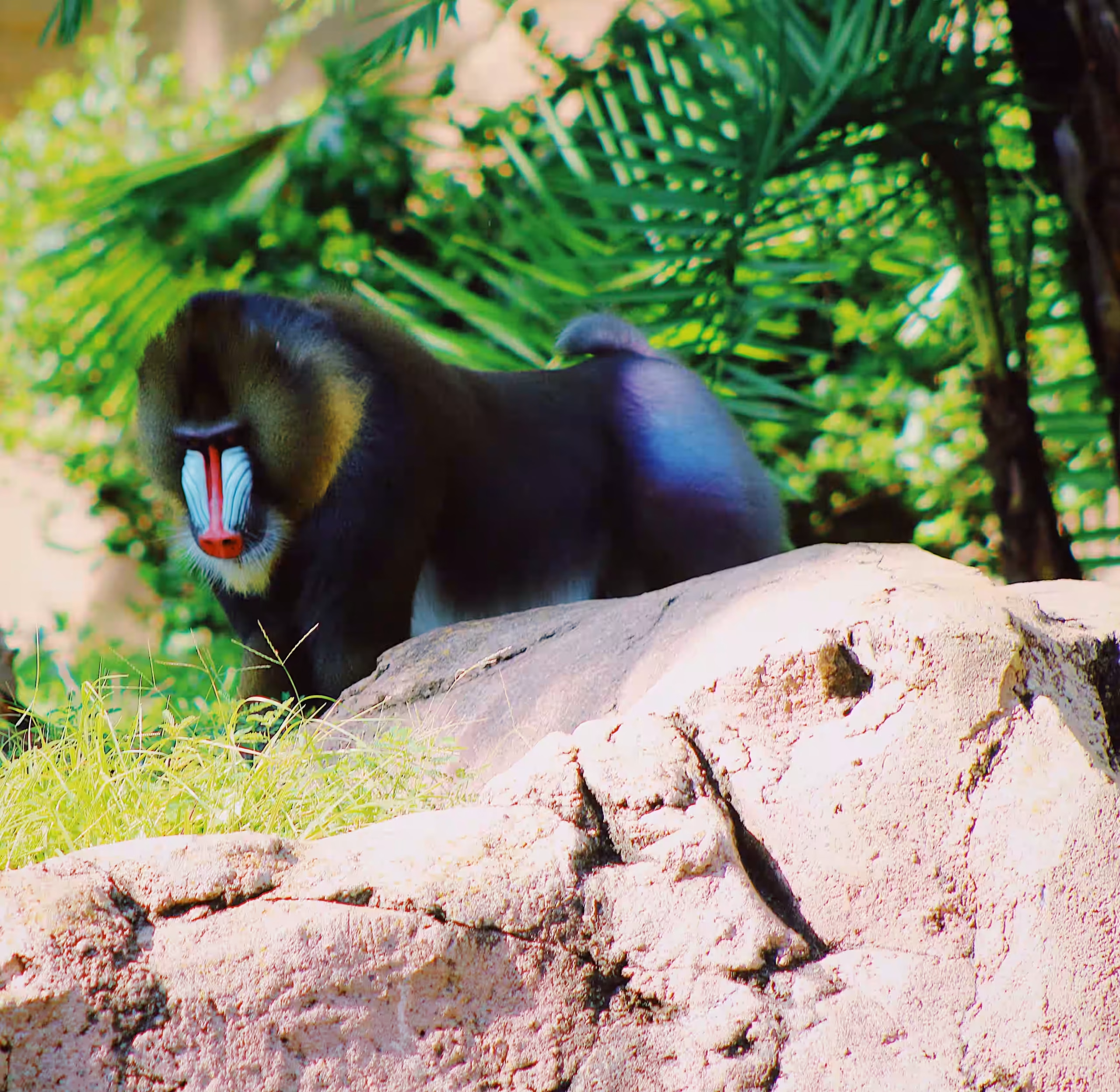
Region - The Groundwater Forest - 1200x900Lush and spring-fed at the entrance, alive with baboons, blue monkeys and forest birds.
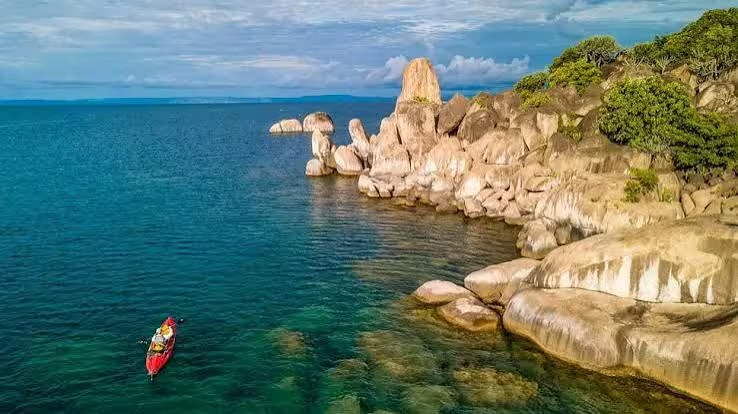
Region - The Lakeshore - 1200x900Alkaline shallows that draw flamingos, pelicans and waterbirds in their thousands.
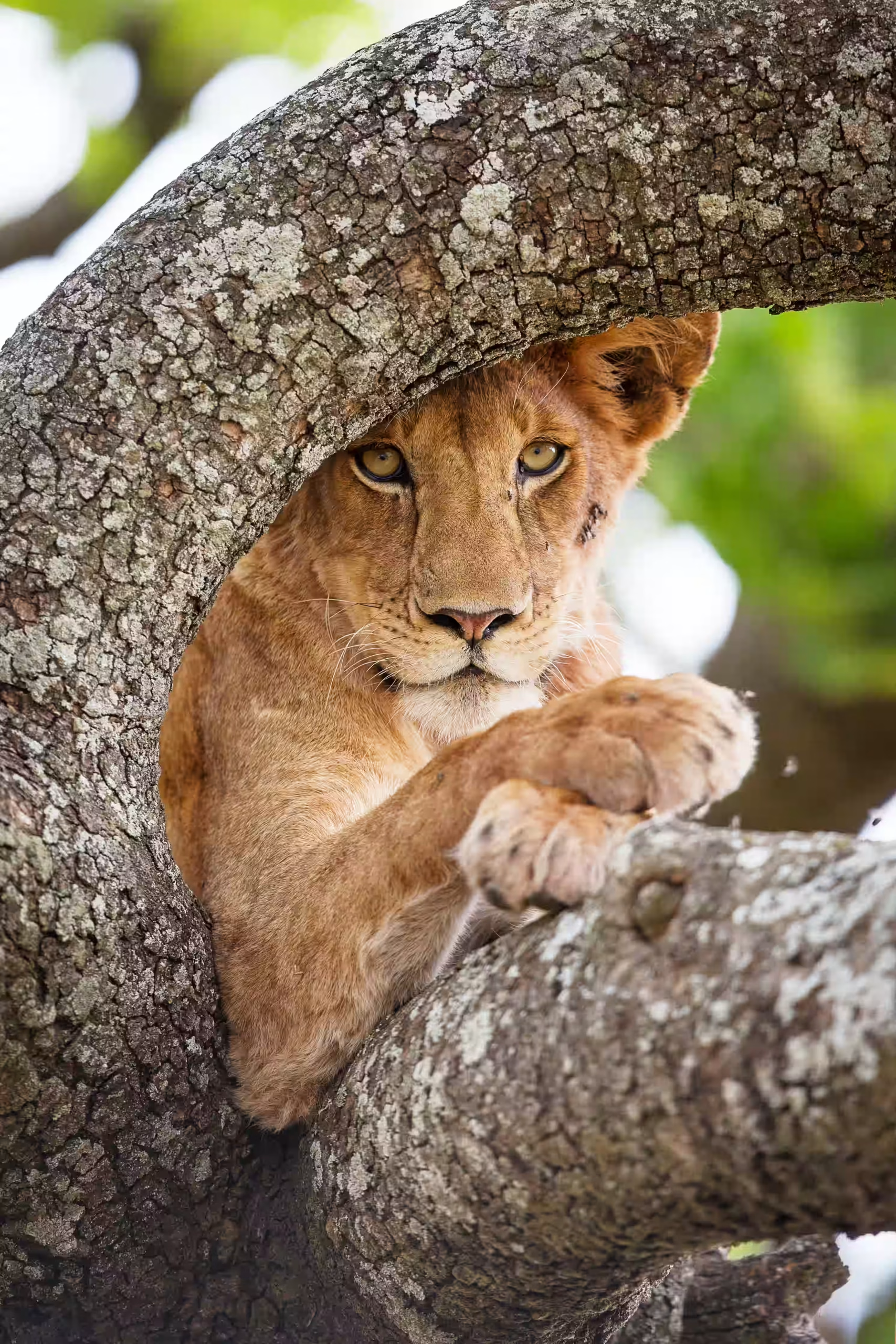
Region - Lion Country - 1200x900The acacia woodland where Manyara's famous tree-climbing lions drape the branches.
Region - Maji Moto Springs - 1200x900Hot springs steaming at the foot of the escarpment in the park's quieter south.
05 Getting there
Lake Manyara lies about 120 kilometres west of Arusha, roughly a two-hour drive, with the park entrance near the village of Mto wa Mbu at the foot of the Rift Valley escarpment. It sits directly on the northern-circuit route, immediately before the climb to the Ngorongoro Crater, which is why so many safaris include it as a half-day stop on the way west. Lake Manyara also has its own airstrip, making it a convenient entry or exit point for fly-in safaris combining the northern parks with the Serengeti.
06 In pictures
Gallery - tree-climbing lion - 1400x1600
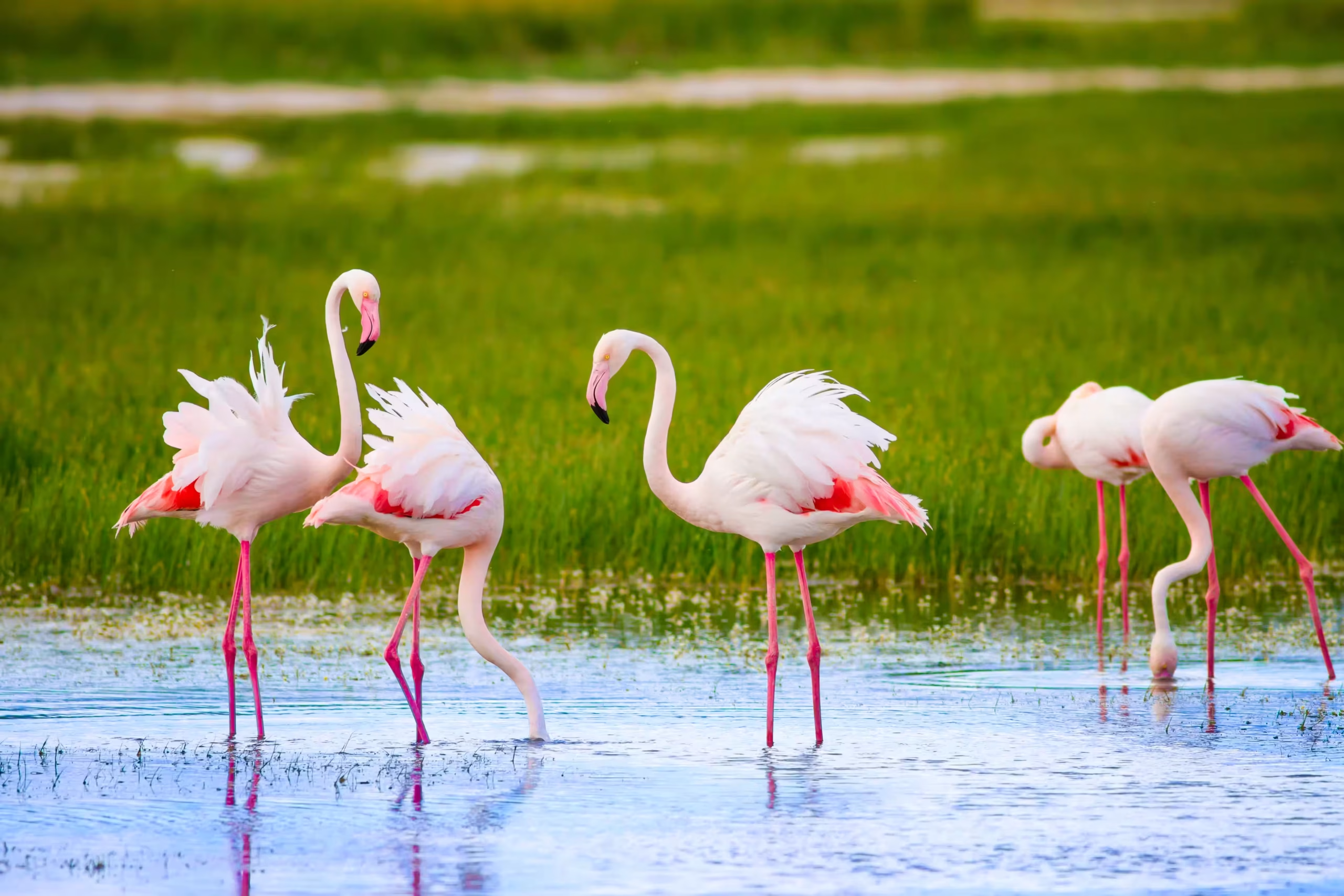
Gallery - flamingos - 900x700
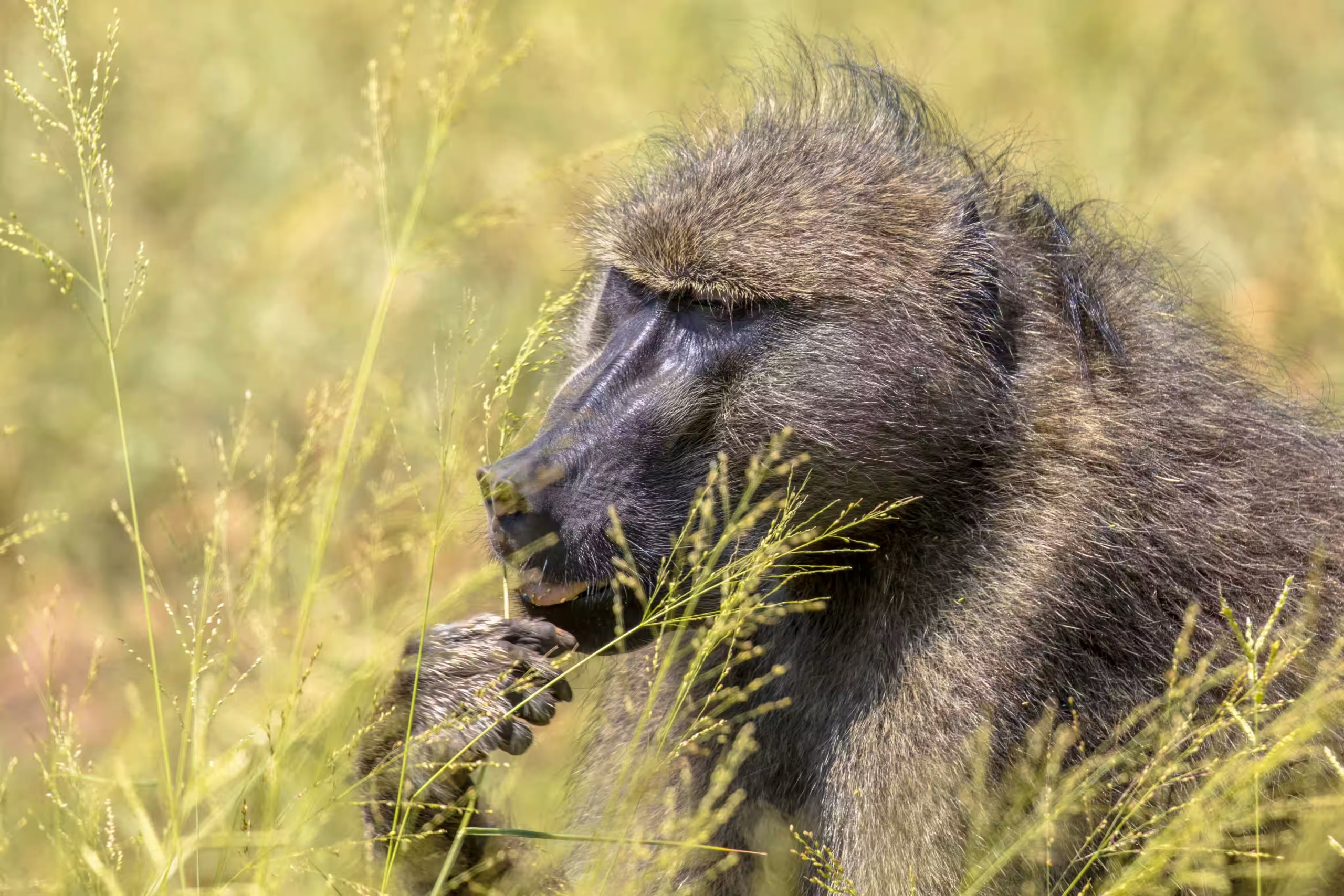
Gallery - baboon troop - 900x700
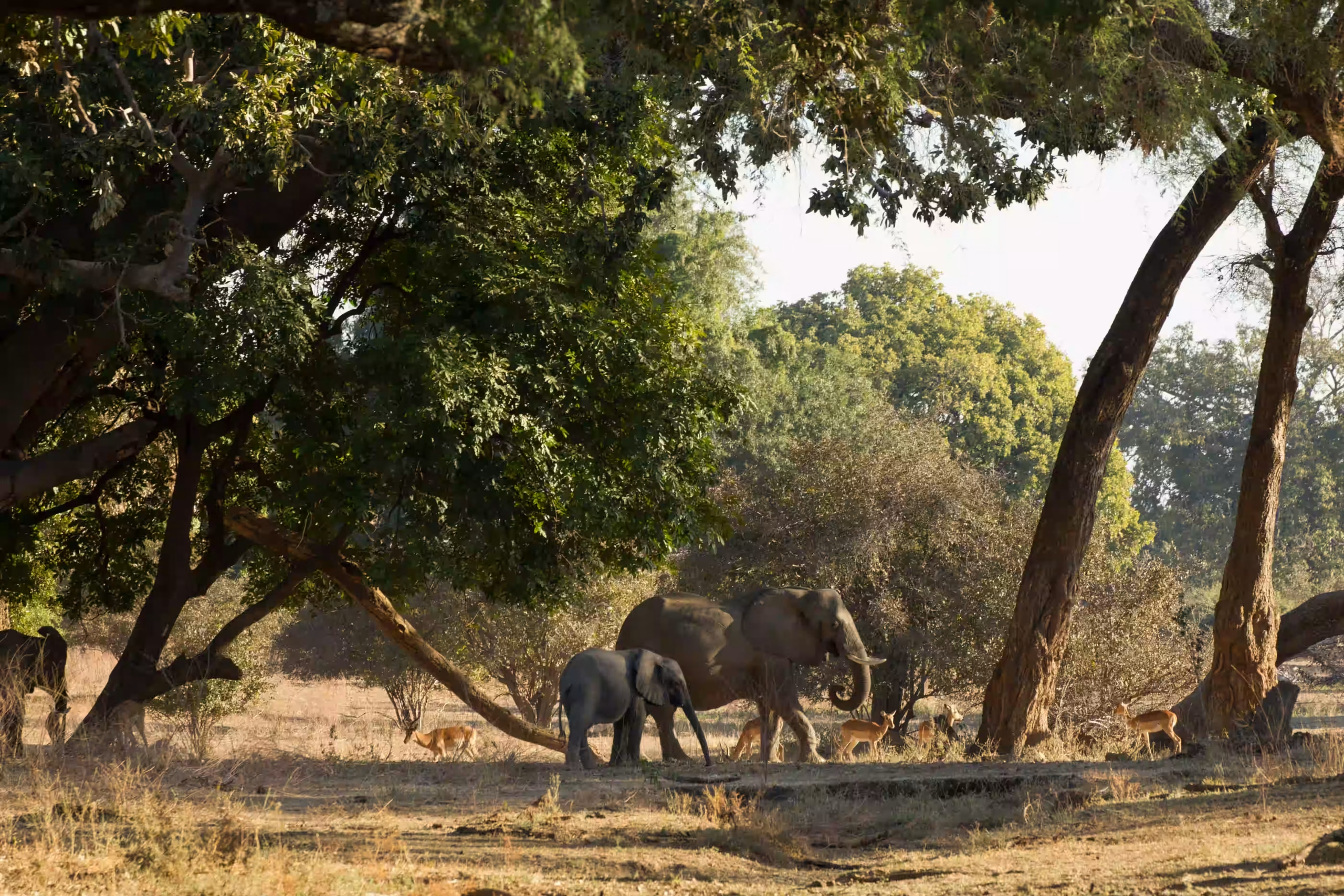
Gallery - elephants - 900x700
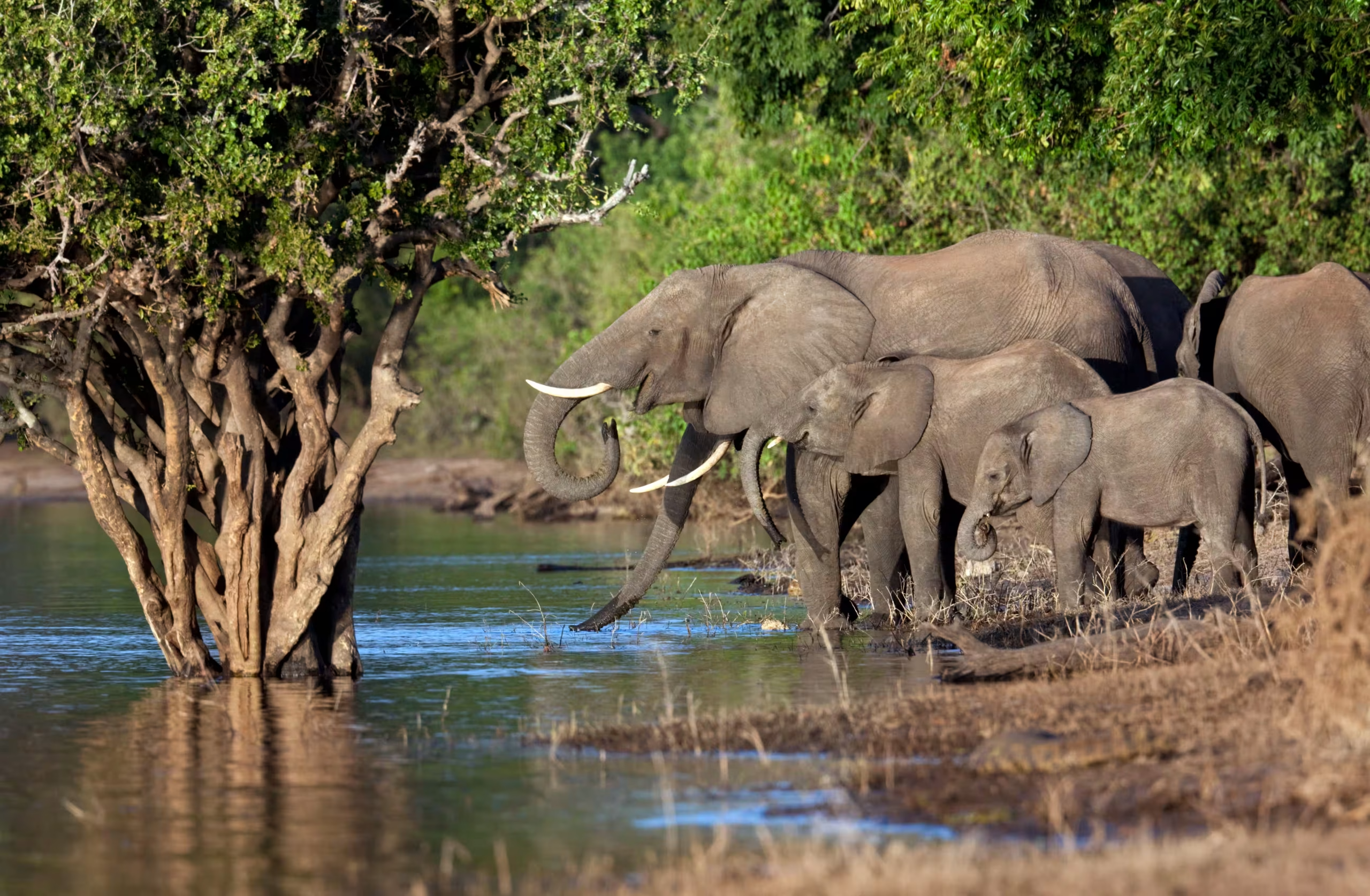
Gallery - Rift Valley escarpment - 900x70007 The route
Drive from Arusha to Lake Manyara, entering through the groundwater forest with its baboons and monkeys, then out to the lakeshore and the flamingos for an afternoon game drive.
A morning searching for tree-climbing lions and exploring the varied habitats, with an optional cultural visit to the vibrant market village of Mto wa Mbu.
Continue the short climb up the escarpment to the Ngorongoro Crater to continue the northern circuit.
Onward to the Serengeti, or a return to Arusha.
08 Questions
Tell us how you want to travel and a guide in Arusha will build you a route - within 24 hours, from a person, not a brochure.