Nara Tanzania Safaris

Usa River, Arusha · Tanzania +255 652 135 520 info@naratanzaniasafaris.co.tz

NaraTanzania Safaris Plan your safari
Cultural Tours - 2400x1500 Cultural Tours hero - 2400x1500

The Experience

Cultural Tours

Beyond the wildlife lies a rich human story - the diverse peoples and living cultures that make Tanzania as fascinating as its landscapes.
120+Ethnic groupsThe MaasaiHadzabe & moreLivingCultures

The experience

Tanzania's wildlife is world-famous, but the country's human story is every bit as rich, and for many travellers a cultural encounter becomes an unexpected highlight of their trip. Home to over 120 distinct ethnic groups, each with its own language, traditions and way of life, Tanzania offers a remarkable diversity of living cultures - from the iconic Maasai pastoralists of the northern plains to the Hadzabe, one of the last hunter-gatherer peoples on earth, whose way of life reaches back tens of thousands of years.

A cultural tour adds a human dimension to a safari, deepening your understanding of the land and the people who have always shared it with the wildlife. Done well and respectfully, these encounters are genuine and mutual - a chance to learn how people live in harmony with a challenging environment, to see crafts, dances, hunting and daily life first-hand, and to support communities directly. From spending a morning learning to hunt with the Hadzabe, to visiting a Maasai village, to exploring the coffee farms of the Chagga on the slopes of Kilimanjaro, cultural tours reveal a Tanzania that no game drive can show, and they leave many travellers as moved by the people as by the wildlife.

Cultural Tours in Tanzania - 2400x1350 Cultural Tours band - 2400x1350

Beyond the wildlife lies a rich human story - the diverse peoples and living cultures that make Tanzania as fascinating as its landscapes.

The peoples

The peoples of Tanzania.

Tanzania’s cultural richness spans many peoples and ways of life. These are some of the communities travellers can respectfully visit and learn from.

Widely visitedMore remoteA rare encounter
01Widely visited
The Maasai
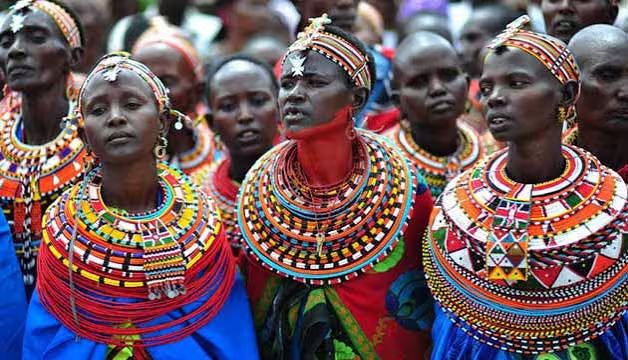
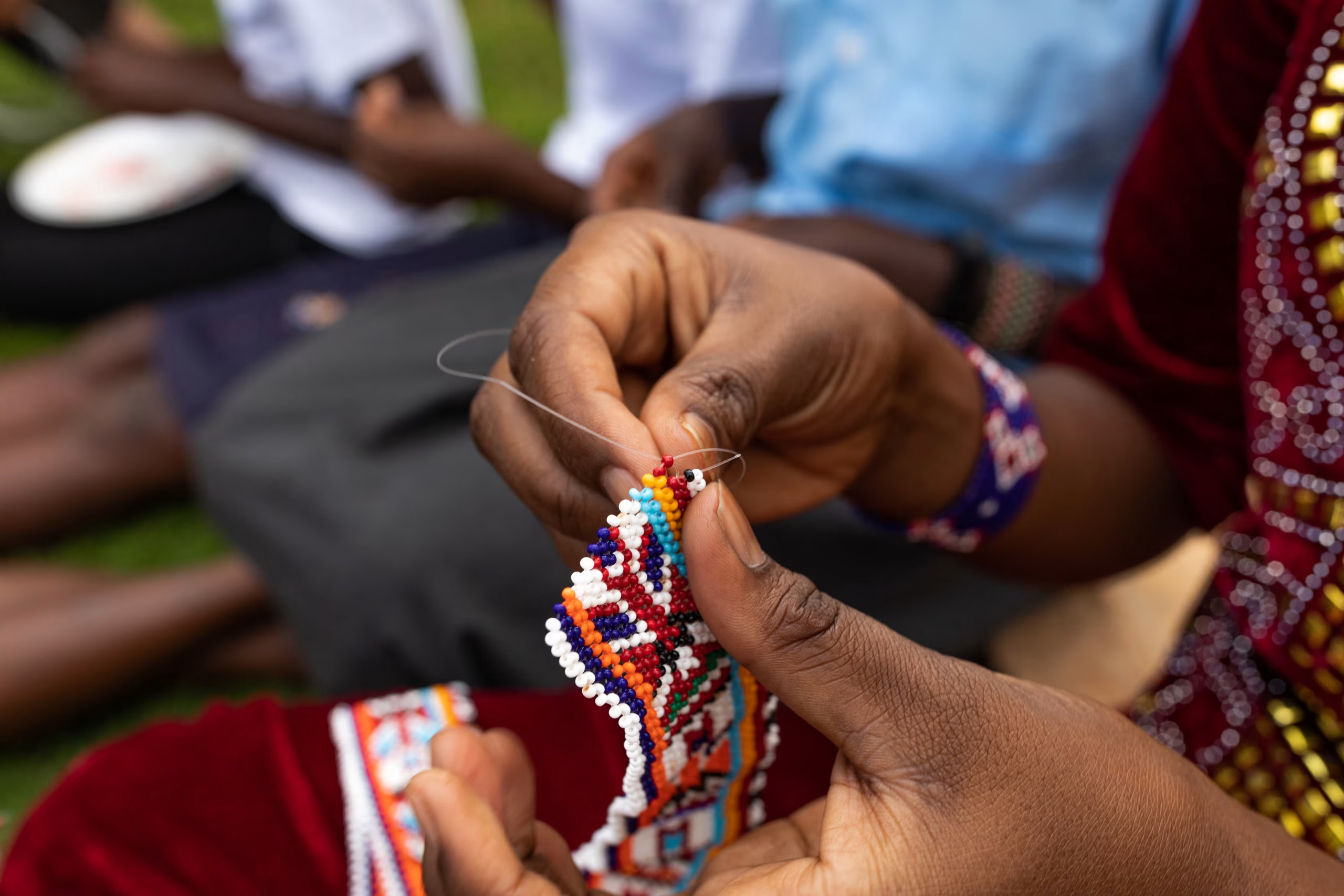
The iconic pastoralists of the northern plains, known for their red shukas, cattle herding, beadwork and dance. Village visits across the Ngorongoro and Serengeti areas offer insight into their enduring way of life.
02Widely visited
The Chagga
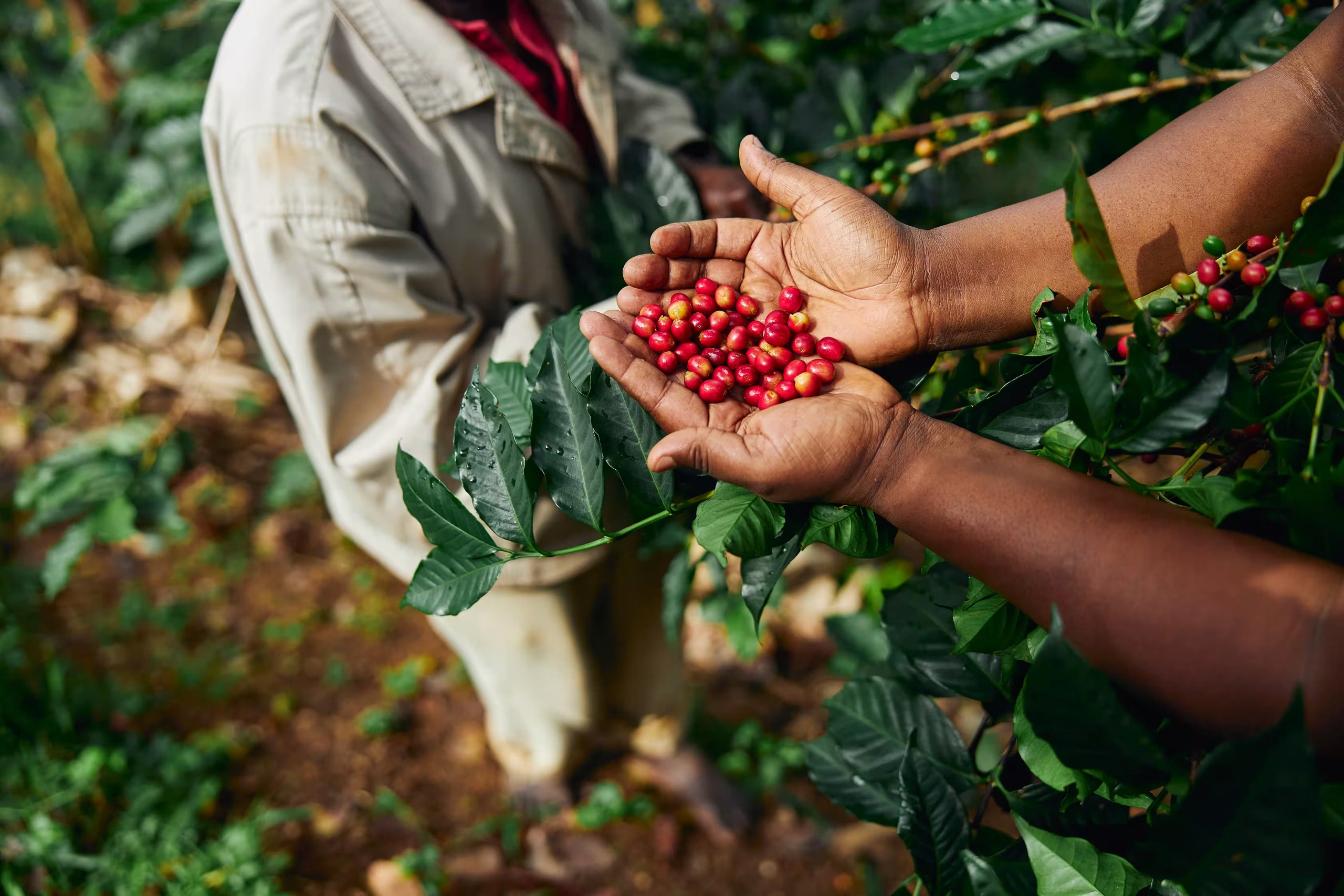
The people of Kilimanjaro’s fertile slopes, farmers of coffee and bananas with a rich history. Tours of their villages, coffee farms and waterfalls around Moshi are a gentle cultural highlight.
03More remote
The Datoga
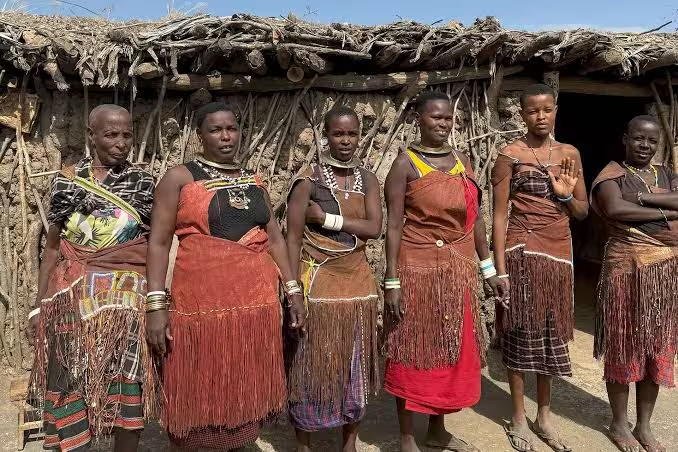
Skilled pastoralists and blacksmiths of the Lake Eyasi area, known for their metalwork - forging arrowheads and jewellery. Often visited alongside the Hadzabe.
04A rare encounter
The Hadzabe
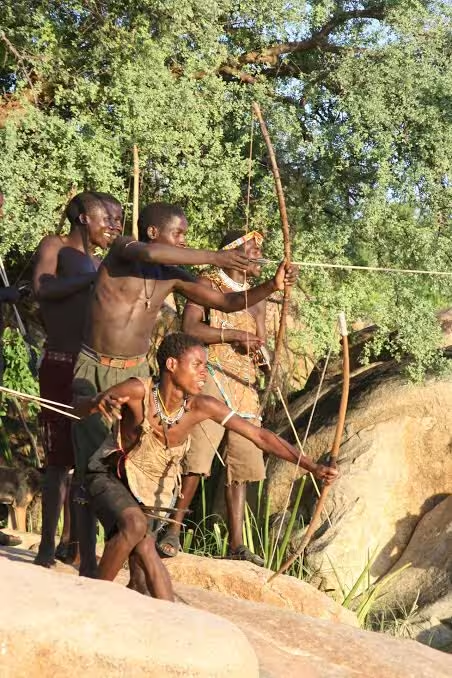
One of the last true hunter-gatherer peoples on earth, living around Lake Eyasi much as humans have for millennia. Joining a morning hunt is a rare and profound glimpse of an ancient way of life.
05Widely visited
The Swahili coast
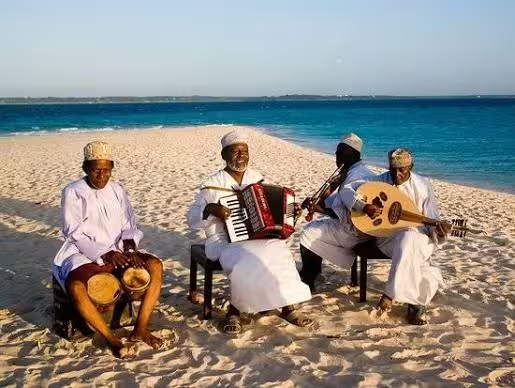
The coastal and island culture of Zanzibar and the shore - a thousand-year fusion of African, Arab and Indian influences, seen in Stone Town, the spice farms and Swahili life.

Doing it right

Respectful, and genuine.

The value of a cultural tour lies in doing it respectfully and genuinely, and this depends greatly on how it is arranged. The best cultural encounters are those that benefit the communities directly, treat people as hosts rather than exhibits, and offer a real, two-way exchange rather than a staged performance. Choosing an operator committed to responsible, community-based tourism - where visits are welcomed, fairly compensated and authentic - makes all the difference between a meaningful encounter and an uncomfortable one.

A few principles help. Approach with genuine curiosity and respect: these are real people and living cultures, not a spectacle. Always ask before taking photographs, and be prepared that a fee sometimes supports the community. Engage, ask questions, and learn - the encounters are far richer when you participate, whether trying your hand at a Hadzabe bow, learning beadwork with Maasai women, or roasting coffee with the Chagga. And buy crafts directly where offered, as a fair and welcome way to support your hosts. Approached in this spirit, cultural tours are among the most rewarding and humbling experiences a trip to Tanzania can offer - a reminder that the country's greatest richness is its people as much as its wildlife.

Planning

Adding culture to your trip.

Cultural experiences are easily woven into a safari, adding a human depth that many travellers find as memorable as the wildlife. Where they fit. Many cultural encounters sit naturally on the northern circuit - a Maasai village visit near the Ngorongoro Crater, a Hadzabe and Datoga morning at Lake Eyasi, a Chagga coffee tour near Kilimanjaro - so they can be added as half-days or full days between or alongside game drives. The Swahili culture of Zanzibar and Stone Town pairs perfectly with a beach finish.

Choose responsibly. The single most important decision is the operator and the nature of the visit - seek out genuine, community-based experiences that benefit and respect the people involved, rather than staged shows. This is what makes a cultural tour meaningful for both visitor and host. Go in the right spirit: with curiosity, respect and openness, ready to participate, ask before photographing, and support communities by buying crafts directly.

A cultural tour need not be a large part of a trip to be significant - even a single morning with the Hadzabe or an afternoon in a Maasai village can be among the most moving experiences of a journey to Tanzania. Tell us if meeting Tanzania's peoples and cultures matters to you, and we will build genuine, respectful encounters into your safari - adding the human story that makes the country as fascinating as its landscapes.

Is it for you?

Who it suits.

Curious, open-minded travellers

Those who want to understand the land through its people, and to learn about ways of life very different from their own, find cultural tours deeply rewarding.

Safari-goers wanting depth

Adding a cultural dimension to a wildlife safari gives a fuller, richer understanding of Tanzania and the people who share it with the animals.

Responsible travellers

For those who value tourism that benefits and respects local communities, genuine community-based cultural encounters are a meaningful way to travel.

Families & the curious of all ages

Meeting local people and children, learning crafts and traditions, is fascinating and eye-opening for travellers young and old.

Questions

Cultural Tours questions.

Tanzania offers rich cultural encounters with over 120 ethnic groups. Popular experiences include visiting the iconic Maasai pastoralists, joining a morning hunt with the hunter-gatherer Hadzabe at Lake Eyasi, meeting the Datoga blacksmiths, touring Chagga coffee farms on Kilimanjaro’s slopes, and exploring the thousand-year Swahili culture of Zanzibar and Stone Town.
The Hadzabe are one of the last true hunter-gatherer peoples on earth, living around Lake Eyasi in northern Tanzania much as humans have for tens of thousands of years. Joining them on a morning hunt is a rare and profound glimpse of an ancient way of life, and among the most memorable cultural encounters in Africa.
They can be, when arranged well. The best cultural tours are community-based, benefit the people directly, and offer a genuine two-way exchange rather than a staged performance. Choosing a responsible operator, approaching with curiosity and respect, asking before photographing, and buying crafts directly all ensure the encounter is meaningful for both visitor and host.
Yes, easily. Many cultural experiences sit naturally on the northern circuit - a Maasai village near the Ngorongoro Crater, a Hadzabe morning at Lake Eyasi, a Chagga coffee tour near Kilimanjaro - and can be added as half or full days alongside game drives. Swahili culture in Zanzibar pairs perfectly with a beach finish.
It can be a genuine and respectful experience when done through a responsible, community-based arrangement that fairly compensates and welcomes visitors. Approaching with real curiosity and respect, treating people as hosts rather than a spectacle, asking before taking photos, and supporting the community by buying crafts make the visit meaningful for both sides.
The Hadzabe and Datoga peoples live around Lake Eyasi, a remote lake south of the Ngorongoro highlands, often visited together on a cultural excursion. A morning hunt with the Hadzabe and a visit to a Datoga blacksmith’s settlement are typically combined, and the area is reached as a side trip from the northern safari circuit.

Ready to experience it?

Tell us what you have in mind and a guide in Arusha will build you a route - within 24 hours, from a person, not a brochure.

Loading itinerary…
Saved Trips