Nara Tanzania Safaris

Usa River, Arusha · Tanzania +255 652 135 520 info@naratanzaniasafaris.co.tz

NaraTanzania Safaris Plan your safari
Mahale Mountains National Park - 2400x1500 Mahale Mountains National Park hero - 2400x1500

Mahale Mountains National Park

Forested mountains rising from the shore of Lake Tanganyika — home to one of the largest populations of wild chimpanzees, tracked on foot through the jungle.

1,613 km²Park area~1,000Wild chimpanzeesLake TanganyikaOn the shore

01 The place

Mahale Mountains, in short.

Mahale Mountains National Park is one of the most beautiful and remote places in Africa — a chain of forested mountains rising steeply from the white-sand shore of Lake Tanganyika, the world's longest and second-deepest freshwater lake. There are no roads to Mahale; you arrive by light aircraft and then by boat along the lakeshore, stepping onto a beach with jungle-clad peaks behind and clear water in front. It is a place of extraordinary atmosphere, and its purpose is singular: to track wild chimpanzees in their forest home.

The park protects one of the largest known populations of wild chimpanzees, and one of the best-studied — the Japanese-led research here dates back to the 1960s. Trekking through the forest to spend an hour among a habituated community of these animals, watching them feed, groom, play and interact just metres away, is one of the great wildlife experiences on earth. Combined with the beauty of the lake and the sense of profound remoteness, Mahale offers something no other safari can.

02 The wildlife

The wildlife.

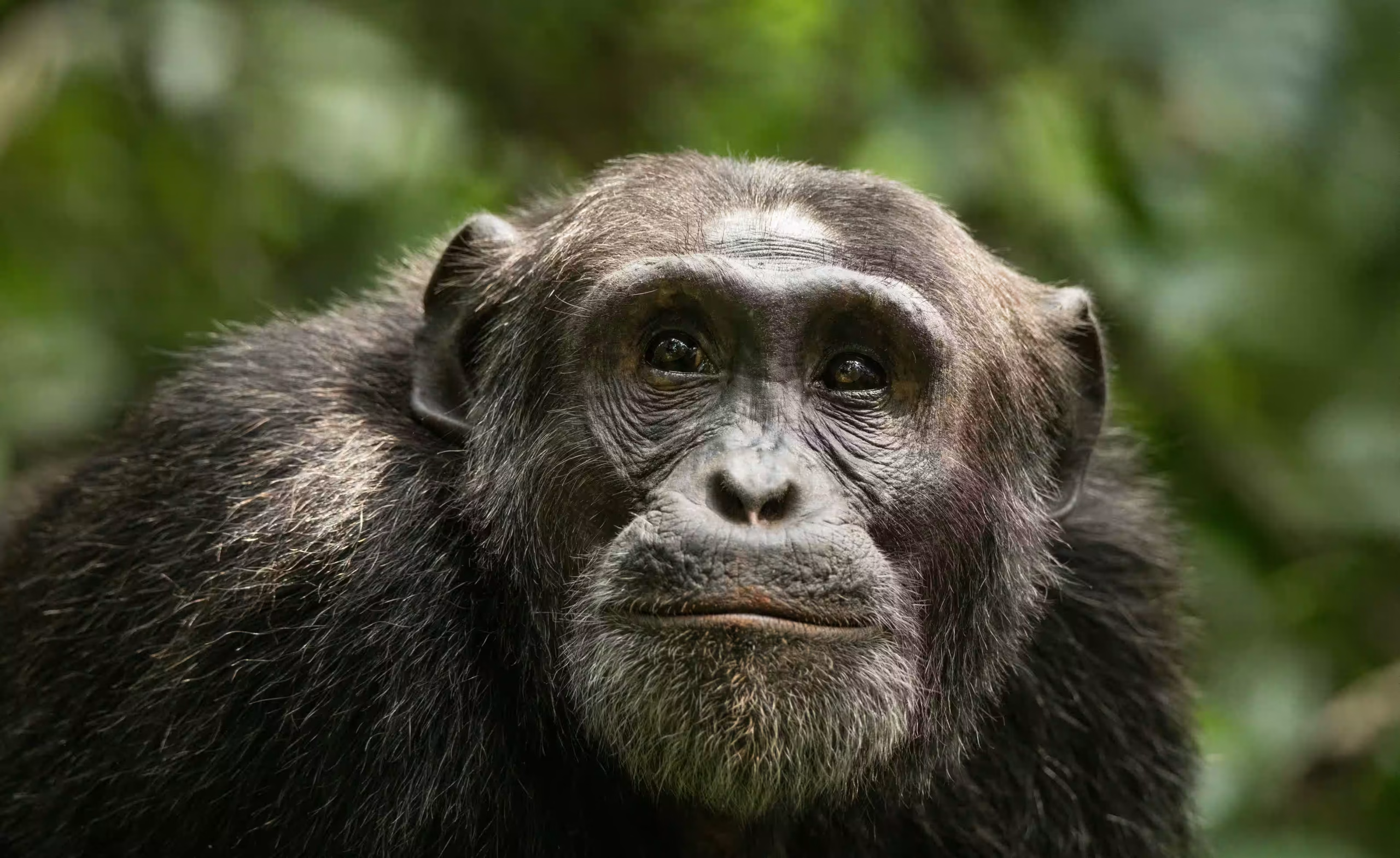
Mahale is above all about chimpanzees. The park's habituated community, studied for over half a century, numbers around sixty individuals within a wider population of roughly a thousand. Trekking to find them can take anything from under an hour to several, climbing through steep, humid forest — and the reward is an hour in the presence of our closest relatives, an experience that is intimate, moving and utterly wild. The chimpanzees are the reason to come, and they seldom disappoint.

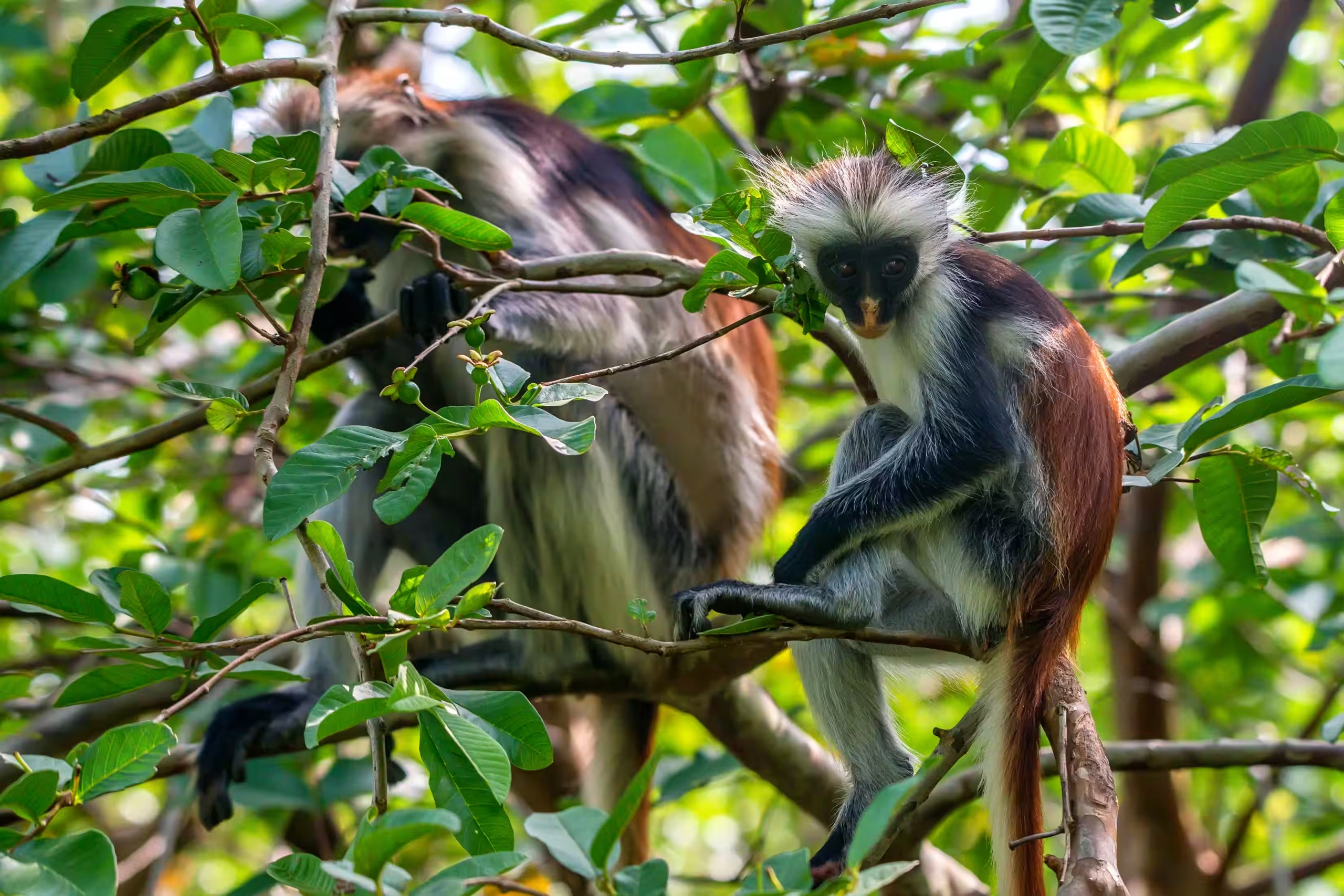
But Mahale holds far more. Its forests are home to a wealth of other primates — red colobus, red-tailed and blue monkeys, and yellow baboons — and the mountains hold forest species rarely seen, including bushpig, and, in the higher reaches, even the occasional leopard. The birdlife is rich and includes forest specialities found nowhere else in Tanzania. And then there is Lake Tanganyika itself: its clear waters hold hundreds of species of colourful cichlid fish, and snorkelling straight off the beach is a magical counterpoint to a morning in the forest.

03 When to go

The best time to visit.

Mahale is best visited in the dry season, from roughly May to October. During these months the forest trails are drier and easier to climb, the chimpanzees tend to range at lower altitudes and are generally easier to find, and the lake is calm and clear for swimming and snorkelling. This is the prime season and when the park's few camps operate.

The wet season, November to April, brings heavy rain to the mountains, making the forest trails slippery and demanding and the chimpanzees harder to reach as they range higher, and most camps close for part of this period. The forest is at its most lush and the waterfalls at their fullest, but for reliable chimpanzee trekking and comfortable conditions, the dry season is strongly preferred. Chimpanzee tracking is never guaranteed, but dry-season success rates are high.

A wild chimpanzee in the forest - 2400x1350 Mahale Mountains band - 2400x1350

Forested mountains rising from the shore of Lake Tanganyika — home to one of the largest populations of wild chimpanzees, tracked on foot through the jungle.

04 The regions

Where to go, and when.

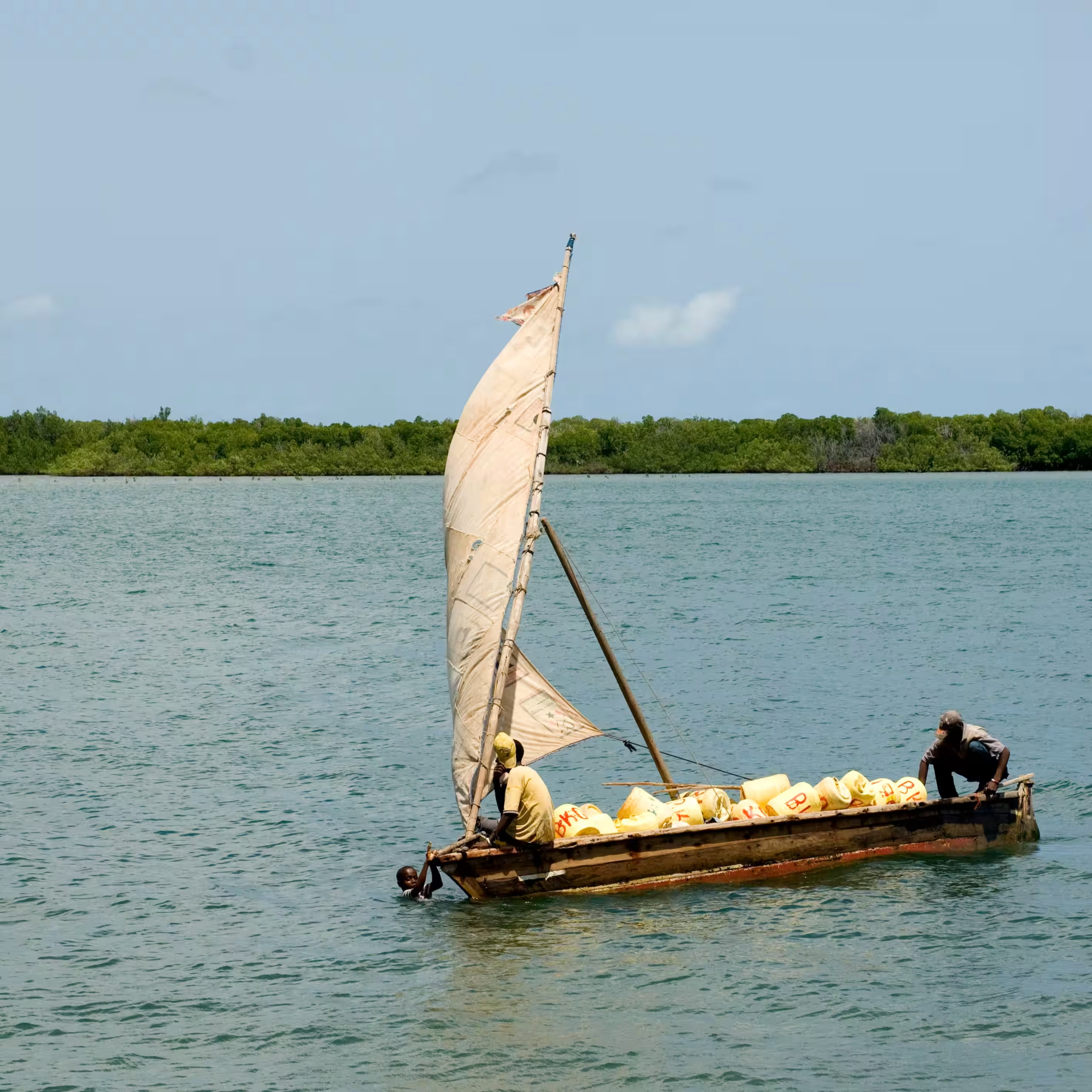
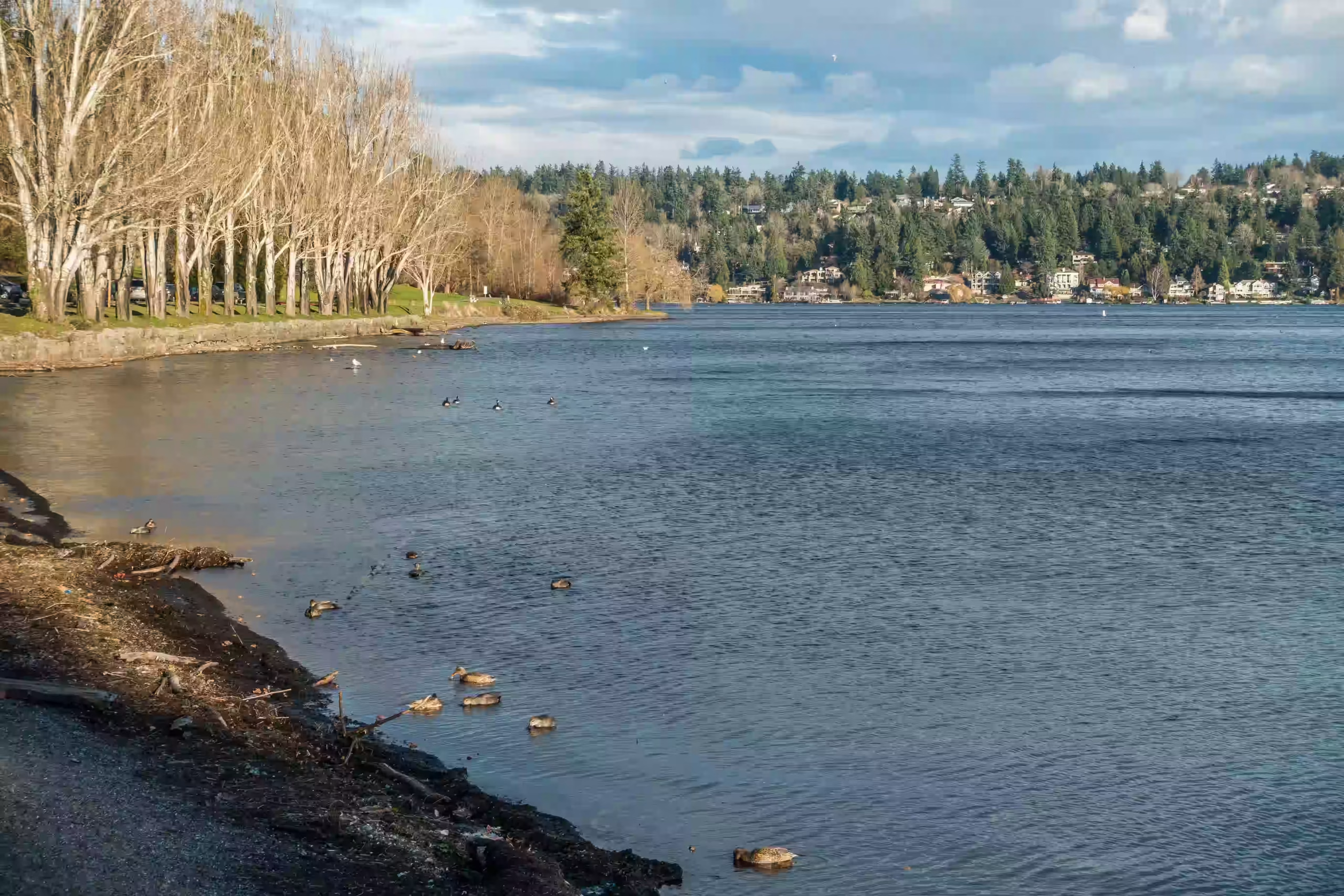
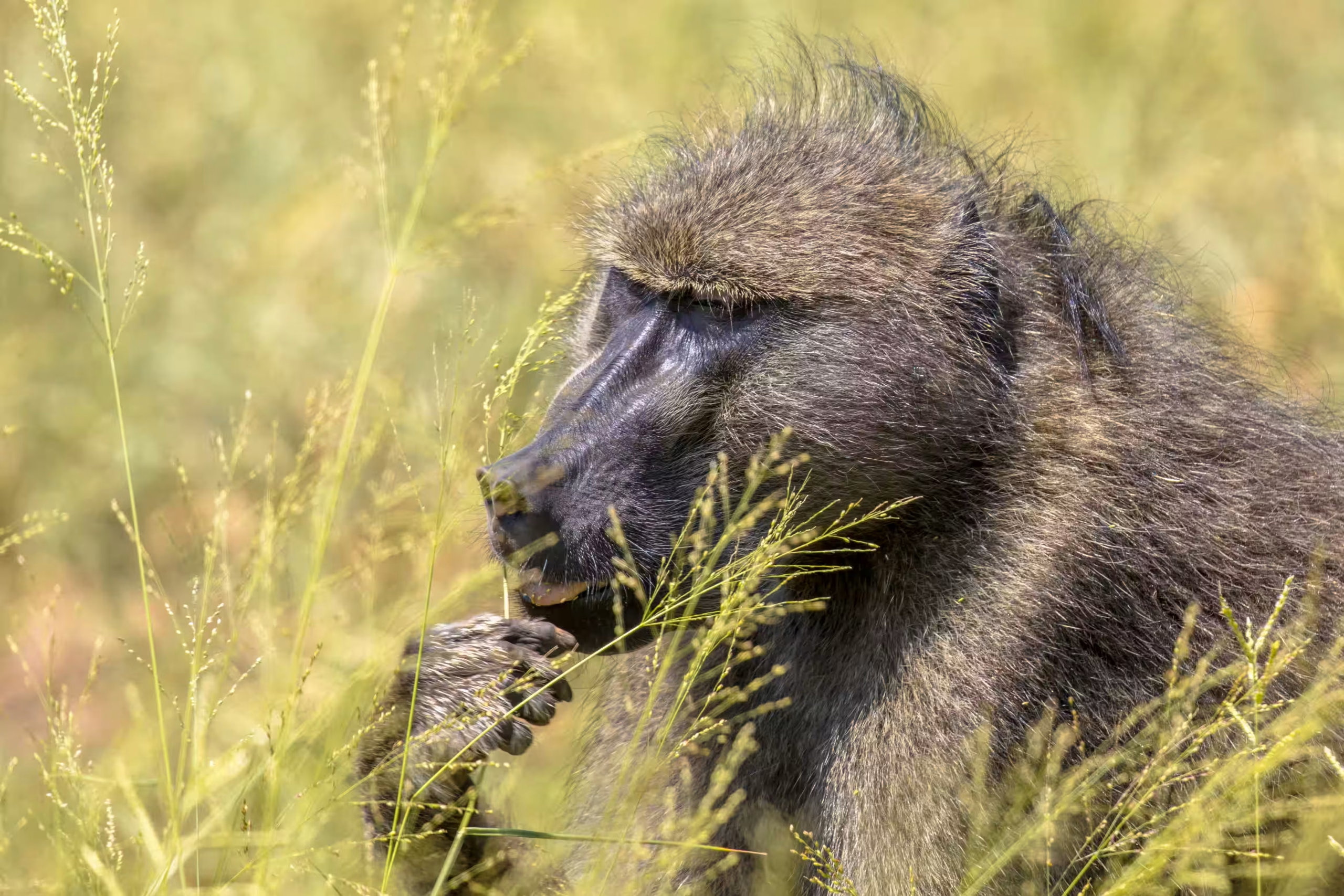
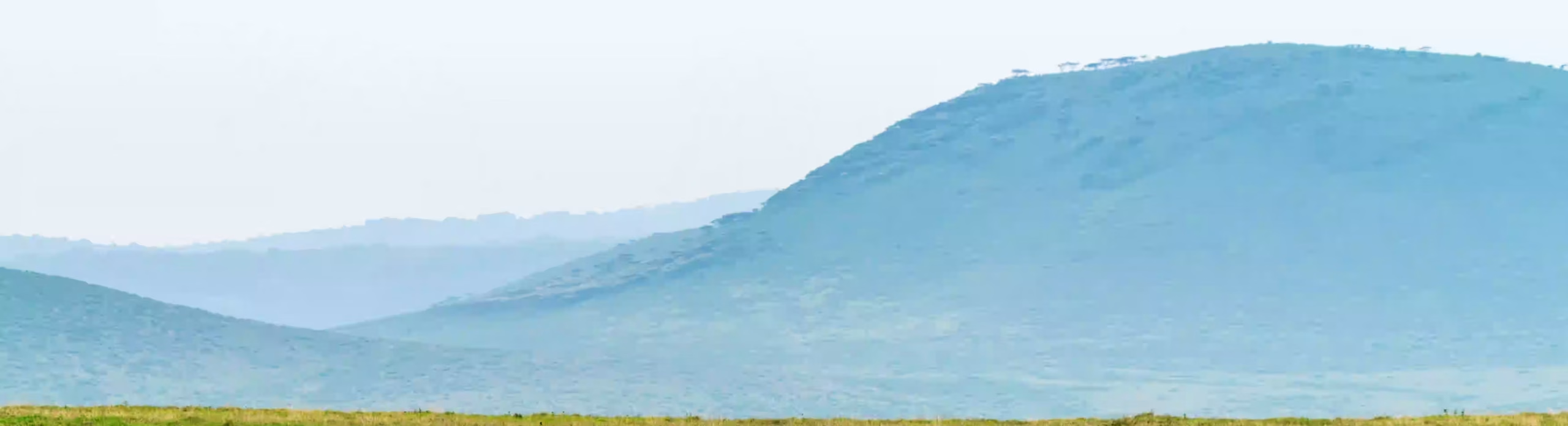
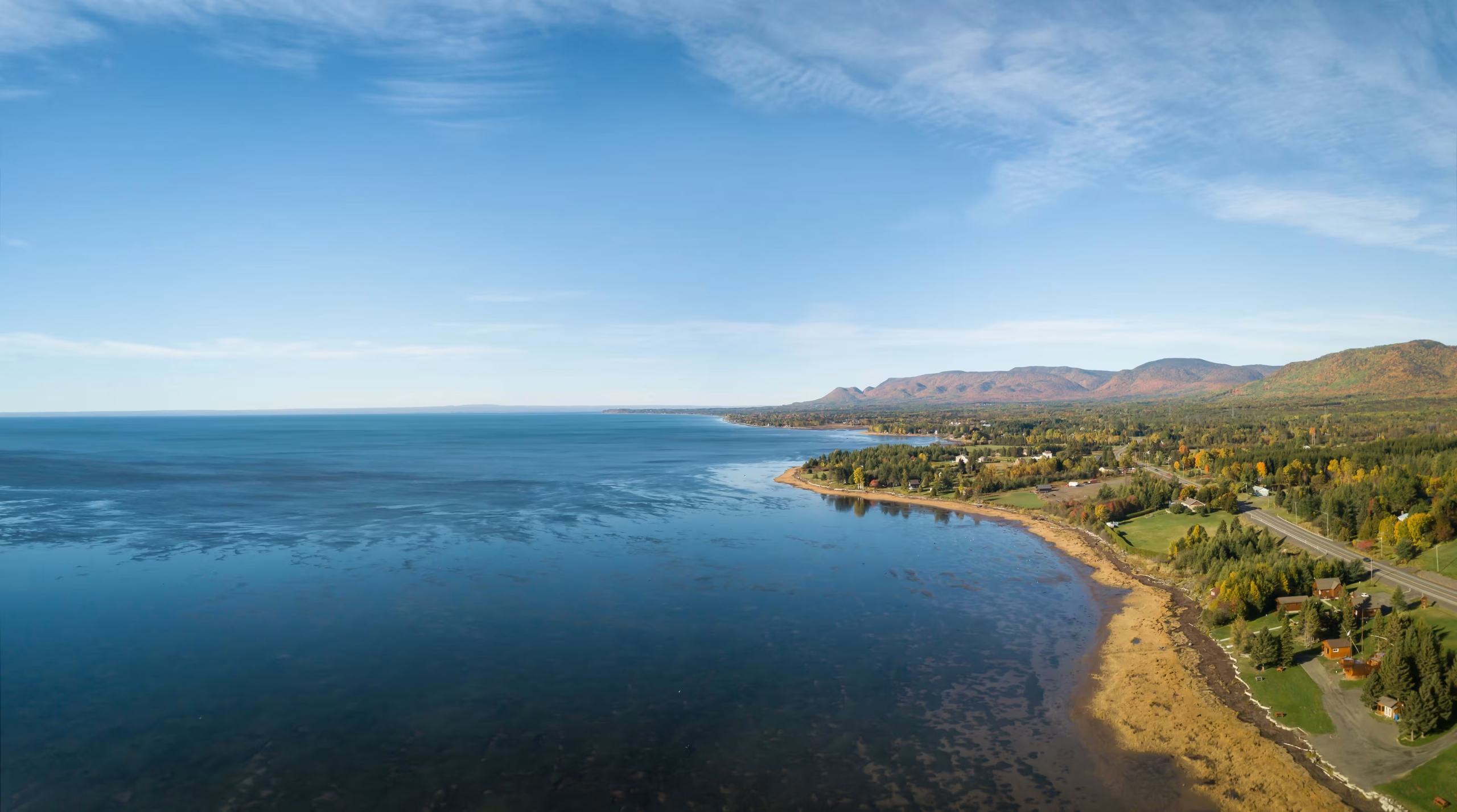
Mahale's experience is built around the meeting of forest and lake. The lakeshore is where the camps sit, on white-sand beaches with Lake Tanganyika's clear water for swimming, snorkelling and boating, and dhow trips at sunset. Behind rises the montane forest, dense and steep, where the chimpanzee trekking takes place and the other primates live. Higher still are the mountain peaks, culminating in Nkungwe at over 2,400 metres, sacred to the local Tongwe people and rarely climbed. And always present is Lake Tanganyika itself — vast, ancient and astonishingly clear, holding one of the richest freshwater fish communities on earth.
The Lakeshore - Mahale Mountains National Park - 1200x900Region - The Lakeshore - 1200x900

The Lakeshore

White-sand beaches where the camps sit, with Lake Tanganyika for swimming, snorkelling and dhow trips.
The Montane Forest - Mahale Mountains National Park - 1200x900Region - The Montane Forest - 1200x900

The Montane Forest

Steep, dense jungle where the chimpanzee trekking takes place and other primates live.
The Mountain Peaks - Mahale Mountains National Park - 1200x900Region - The Mountain Peaks - 1200x900

The Mountain Peaks

Rising to Nkungwe at over 2,400 m, sacred to the Tongwe people and rarely climbed.
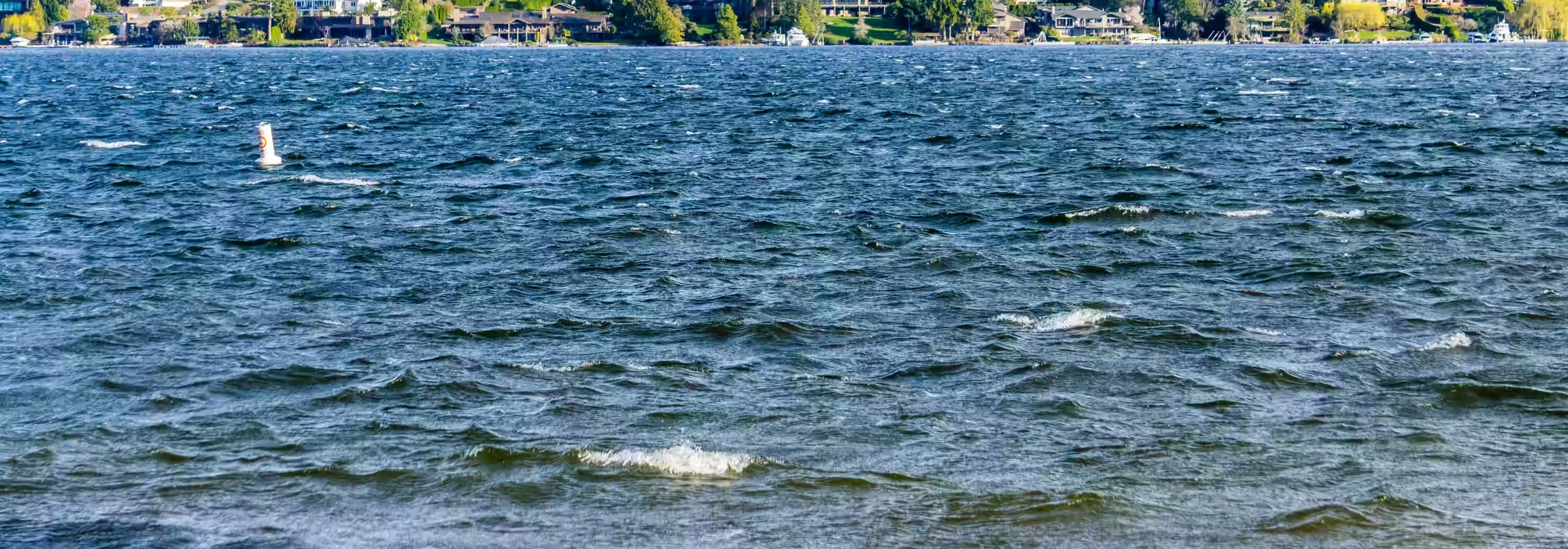
Lake Tanganyika - Mahale Mountains National Park - 1200x900Region - Lake Tanganyika - 1200x900

Lake Tanganyika

Ancient and astonishingly clear, holding one of the richest freshwater fish communities on earth.

05 Getting there

How to get there.

Mahale is one of the most remote parks in Tanzania, reachable only by air and water. Light aircraft — usually chartered or on scheduled seasonal services — fly from Arusha or Dar es Salaam to an airstrip near the park, a journey often broken with a stop, followed by a boat transfer of an hour or more along the lakeshore to the camps. There are no roads into the park and no vehicle access; movement is on foot and by boat. This remoteness makes Mahale a significant undertaking, usually combined with Katavi National Park to justify the journey, and it rewards the effort with one of Africa's truly singular experiences.

07 The route

A sample Mahale Mountains itinerary.

Day 01

Fly and boat in to Mahale

Fly from Arusha or Dar es Salaam to the airstrip near Mahale, then transfer by boat along the shore of Lake Tanganyika to your beach camp, arriving to jungle peaks and clear water.

Day 02

Chimpanzee trekking

An early start into the forest with trackers to find the habituated chimpanzee community, spending a treasured hour among them before returning to the lake to swim and rest.

Day 03

Forest, lake & a second trek

A second chimpanzee trek or a forest walk for other primates and birds, plus time to snorkel Lake Tanganyika's cichlid-filled shallows and take a sunset dhow cruise.

Day 04

Onward to Katavi

Fly on to Katavi National Park for a complete contrast — floodplains, buffalo and lion — or begin the long journey home.

08 Questions

Mahale Mountains safari questions.

Mahale is known for wild chimpanzee trekking. It protects one of the largest and best-studied populations of wild chimpanzees, tracked on foot through forested mountains that rise from the shore of Lake Tanganyika — one of the great wildlife experiences in Africa, in one of its most beautiful, remote settings.
The dry season (roughly May–October) is best, when forest trails are easier, the chimpanzees range lower and are easier to find, and the lake is calm and clear. The wet season (November–April) makes trekking slippery and demanding, and most camps close for part of it.
Mahale is reachable only by air and water. Light aircraft fly from Arusha or Dar es Salaam to a nearby airstrip, followed by a boat transfer of an hour or more along Lake Tanganyika to the camps. There are no roads or vehicles in the park — movement is on foot and by boat.
Chimpanzee tracking is never guaranteed, as they are wild and range freely, but dry-season success rates are high. Treks can take from under an hour to several hours of climbing through steep forest, and the reward is a treasured hour in the presence of our closest relatives.
Yes. Lake Tanganyika's clear, bilharzia-safe waters at Mahale are ideal for swimming and snorkelling straight off the beach, with hundreds of species of colourful cichlid fish — a magical counterpoint to a morning trekking chimpanzees in the forest.
Three to four days is ideal, allowing two or more chimpanzee treks plus time for the lake and forest. Given the effort and cost of reaching it, most travellers stay several nights and combine Mahale with Katavi National Park for a remote western-Tanzania safari.

Ready to see Mahale Mountains?

Tell us how you want to travel and a guide in Arusha will build you a route - within 24 hours, from a person, not a brochure.

Loading itinerary…
Saved Trips