Nara Tanzania Safaris

Usa River, Arusha · Tanzania +255 652 135 520 info@naratanzaniasafaris.co.tz

NaraTanzania Safaris Plan your safari
Paje & Jambiani - 2400x1500 Paje & Jambiani hero - 2400x1500

Paje & Jambiani

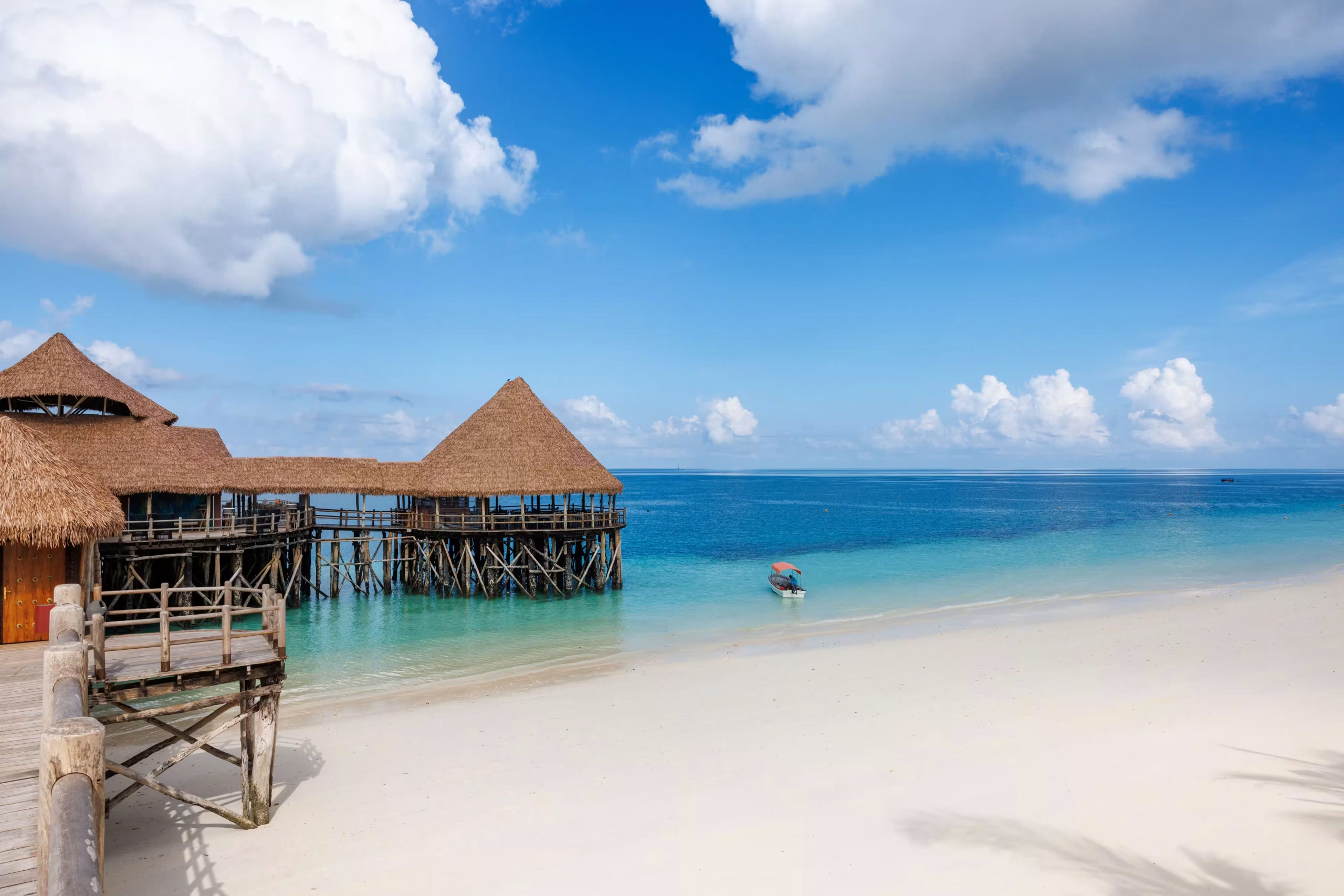
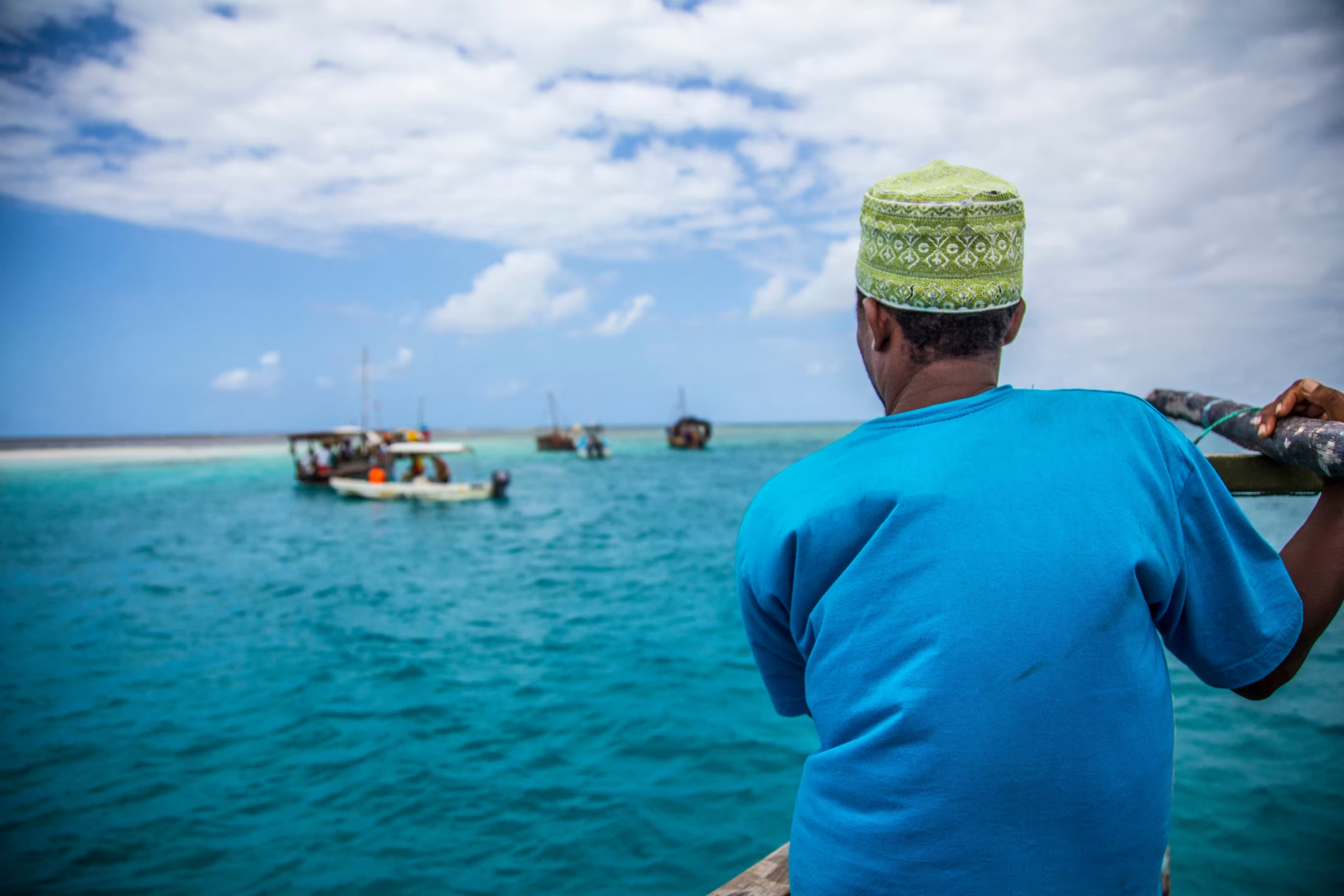
Zanzibar's laid-back east coast — a ribbon of turquoise lagoon and powder sand, the island's kitesurfing capital, and a slower, gentler rhythm.
East coastOf ZanzibarKitesurfingCapitalTurquoiseLagoon & reef

01 The place

Paje & Jambiani, in short.

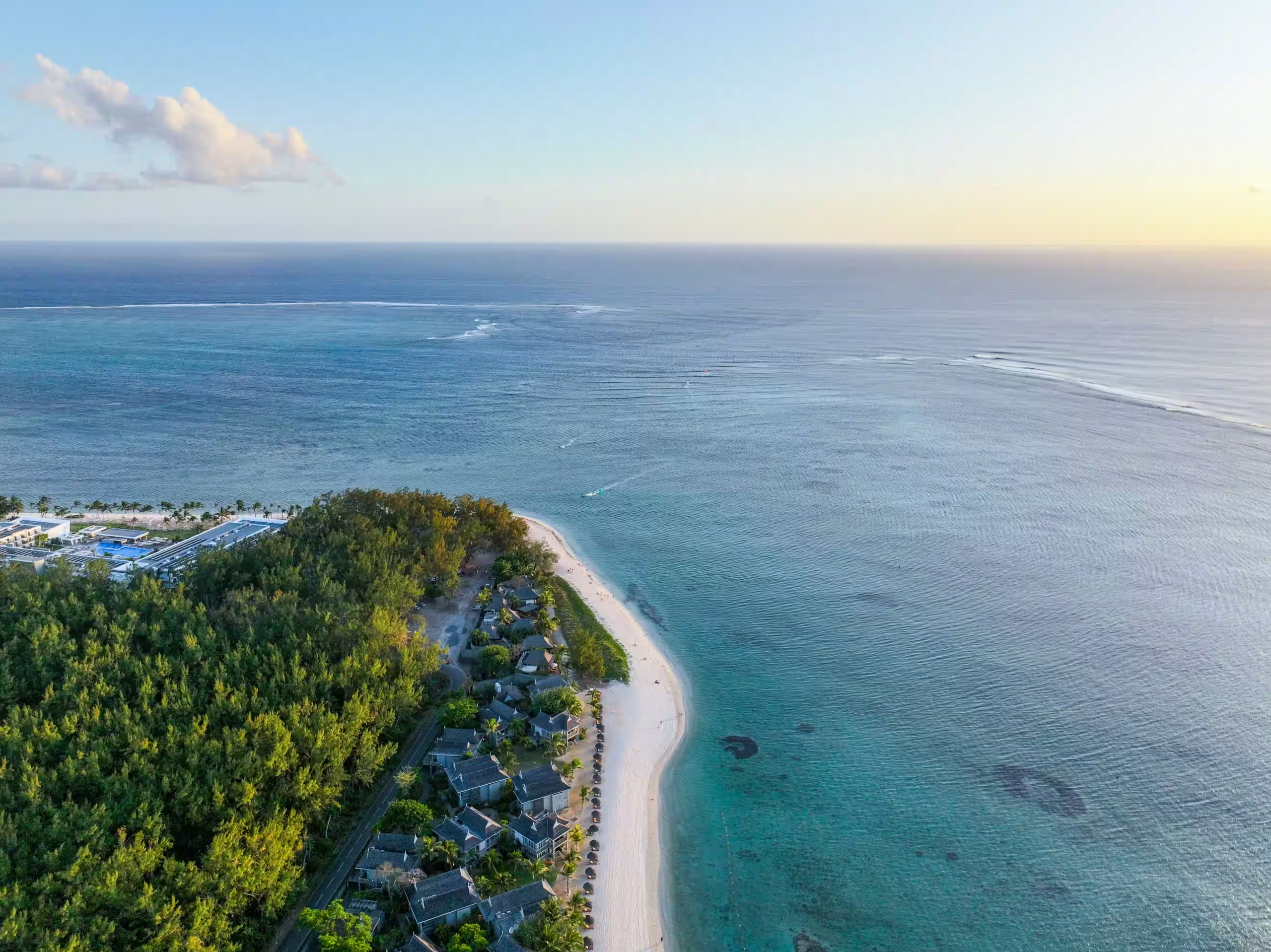
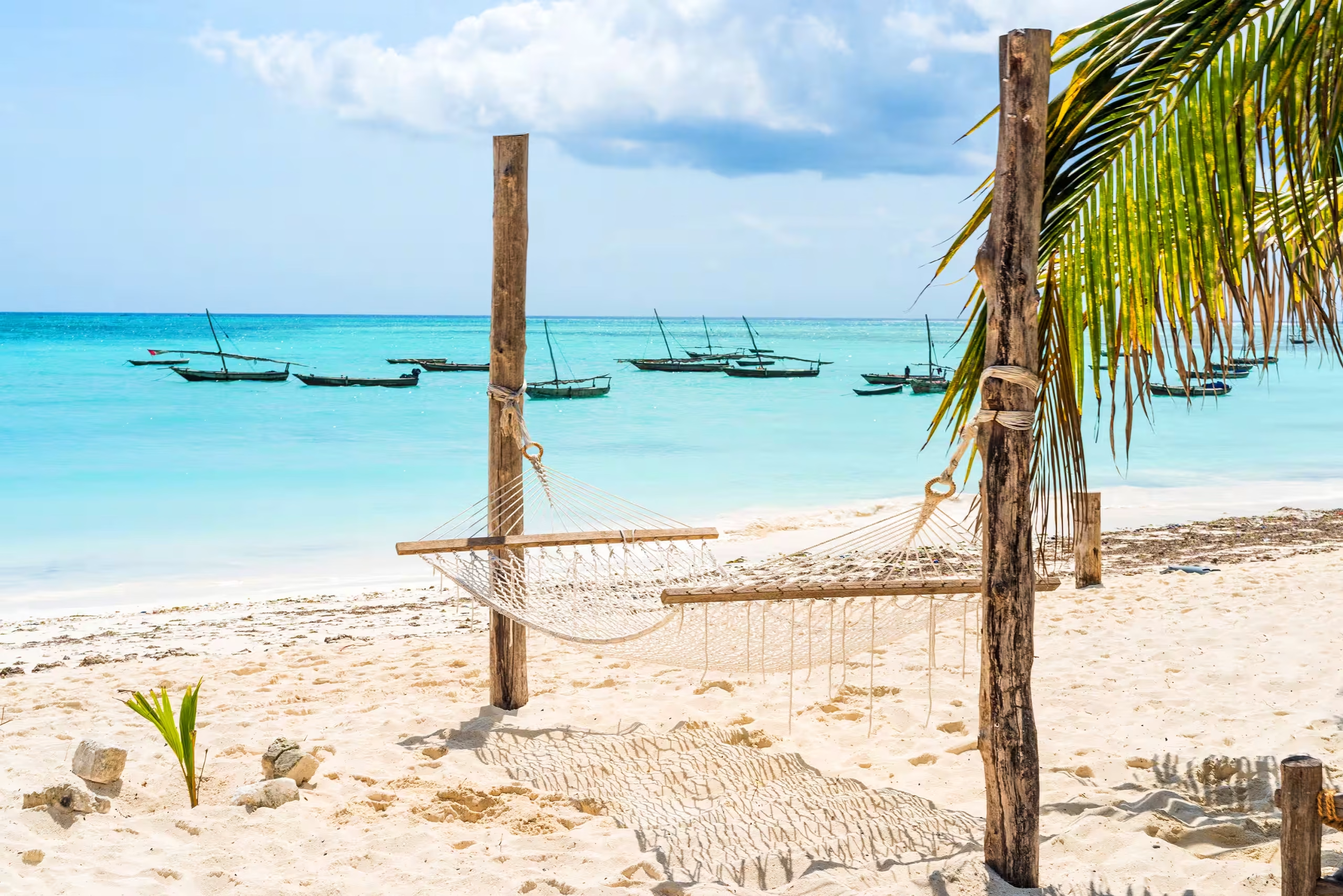
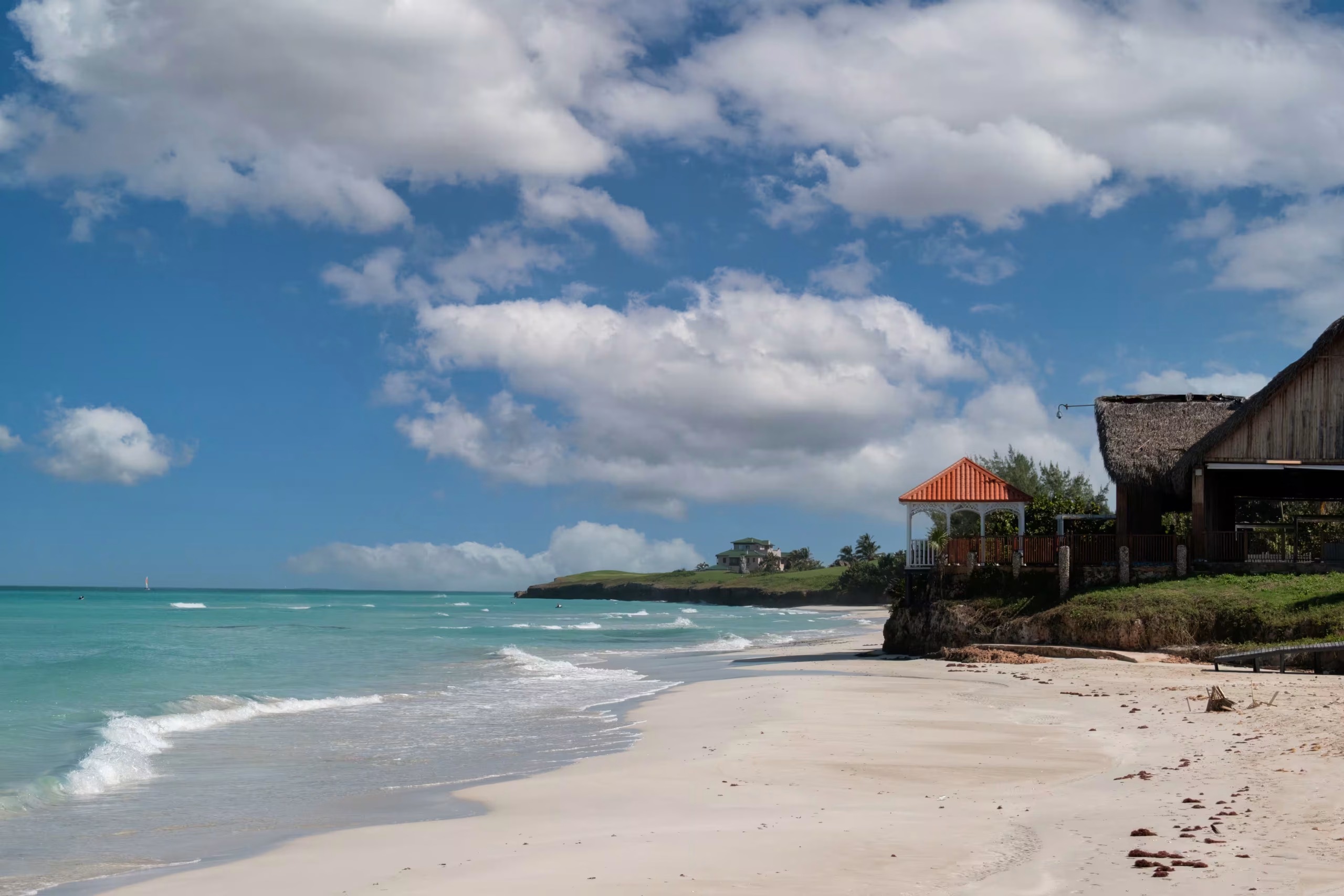
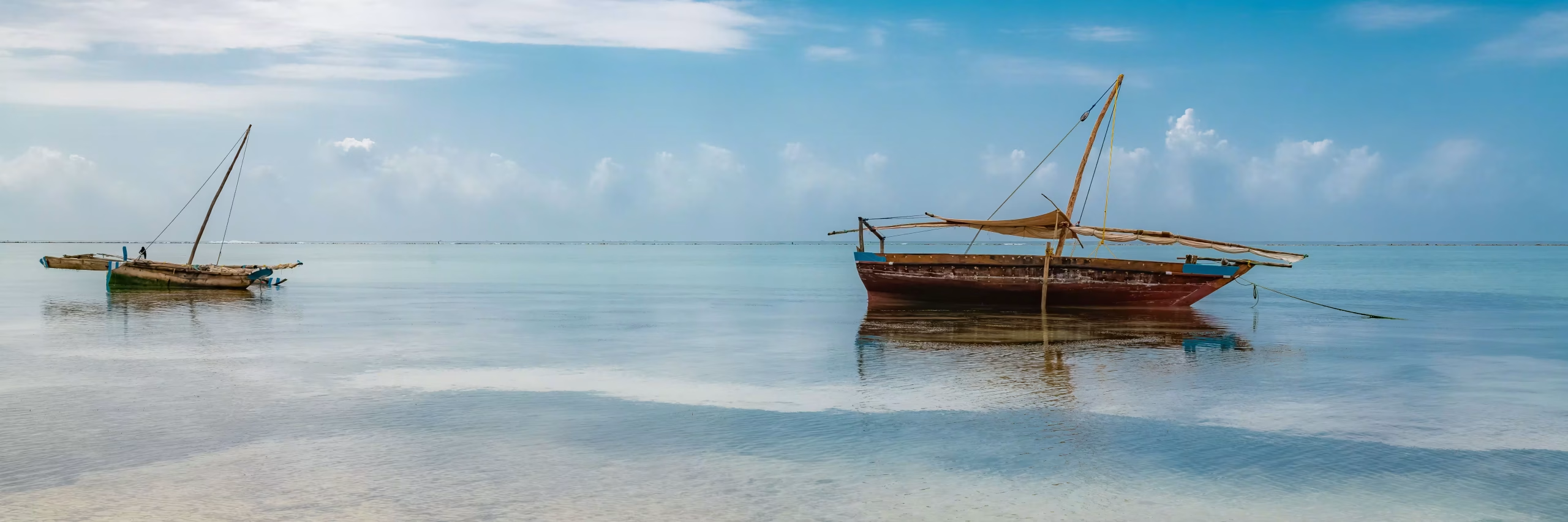
Paje and Jambiani, on Zanzibar's south-east coast, are the island's laid-back heart — a long, gently curving ribbon of blindingly white sand fronting a wide, shallow turquoise lagoon, protected by a reef offshore. This is a different Zanzibar from the lively north: slower, more spread out, more connected to the rhythms of village life and the tides. Twice a day the sea retreats far across the flats, revealing seaweed farms tended by local women and leaving tidal pools to explore; twice a day it returns, filling the lagoon with electric-blue water.

The east coast has become the island's capital of kitesurfing, and it is easy to see why: the steady trade winds, the shallow flat-water lagoon and the wide, empty beach make Paje in particular one of the finest kitesurfing spots in the world, drawing enthusiasts from across the globe. But you need not be a kitesurfer to love it. Jambiani, just to the south, is a quieter, more traditional fishing village, and both offer a relaxed, unpretentious beach experience — barefoot beach bars, fresh seafood, and the slow, sunlit pace that makes the east coast so beloved by those who know it.

02 The coast

Nature & the sea.

The east coast's natural life is shaped by its lagoon and reef. The shallow lagoon, revealed at low tide, is a world in itself — a vast expanse of sand flats, tidal pools and seagrass where starfish, sea urchins, crabs and small fish can be found, and where the local seaweed farms form neat underwater gardens tended by hand. Walking the flats at low tide is a gentle, fascinating pastime unique to this coast. Beyond the reef lies deeper water for snorkelling and diving among coral and reef fish.

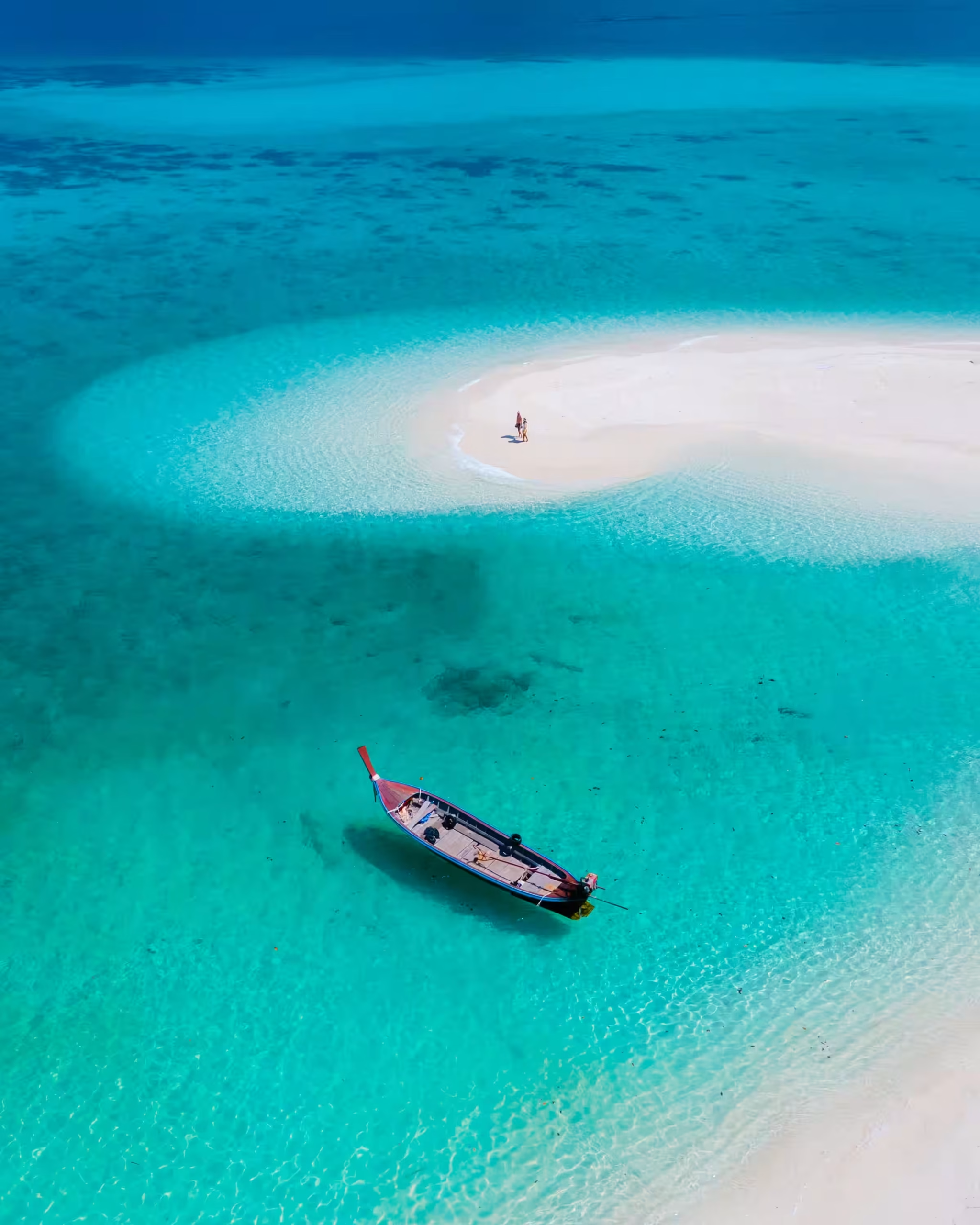
A short way offshore and along the coast, the reefs and sandbanks offer snorkelling trips, and the famous sandbank picnics — boat excursions to pristine sandbars that appear at low tide in the middle of the turquoise sea. Dolphins are found off the south coast, and boat trips from nearby Kizimkazi are known for dolphin encounters. Green and hawksbill turtles frequent the reefs. And inland, the whole island's nature — the red colobus of Jozani Forest, less than an hour away — is within easy reach. The east coast's appeal is its lagoon, its light and its gentle marine world.

03 When to go

The best time to visit.

Paje and Jambiani are at their best in the dry seasons, and the east coast has a particular seasonal draw for kitesurfers. The two main kite seasons align with the steady trade winds: roughly June to September (the stronger, more reliable Kusi wind) and December to February (the Kaskazi wind) — these are the prime months for kitesurfing and also excellent beach weather.

For general beach relaxation, June to October brings warm, dry, sunny days and is the peak period, while December to February is hot and sunny and popular over the festive season. The long rains from March to May are the wettest and quietest, with lighter, less reliable winds, and the short rains around November bring brief showers. The lagoon's dramatic tides shape any east-coast visit — swimming is best around high tide, while low tide reveals the flats to explore. For kitesurfing and reliable sun, the two dry, windy seasons are ideal.

A turquoise lagoon and white beach at high tide - 2400x1350 Paje & Jambiani band - 2400x1350

Zanzibar's laid-back east coast — a ribbon of turquoise lagoon and powder sand, the island's kitesurfing capital, and a slower, gentler rhythm.

04 The regions

Around the island.

The east coast's character runs along its single long beach, with subtle shifts from north to south. Paje is the hub and the kitesurfing epicentre — the liveliest stretch, with the greatest concentration of kite schools, beach bars, cafés and relaxed hotels, and a young, international feel. Jambiani, immediately to the south, is quieter and more traditional, a working fishing and seaweed-farming village strung along the sand, where the pace is slower and the atmosphere more local. To the north lies Bwejuu, quieter still. And offshore, the lagoon and reef define the whole coast — the flats to explore at low tide, the blue water to swim and kite at high tide, and the sandbanks beyond for boat-trip picnics.
Paje - Paje & Jambiani - 1200x900Region - Paje - 1200x900

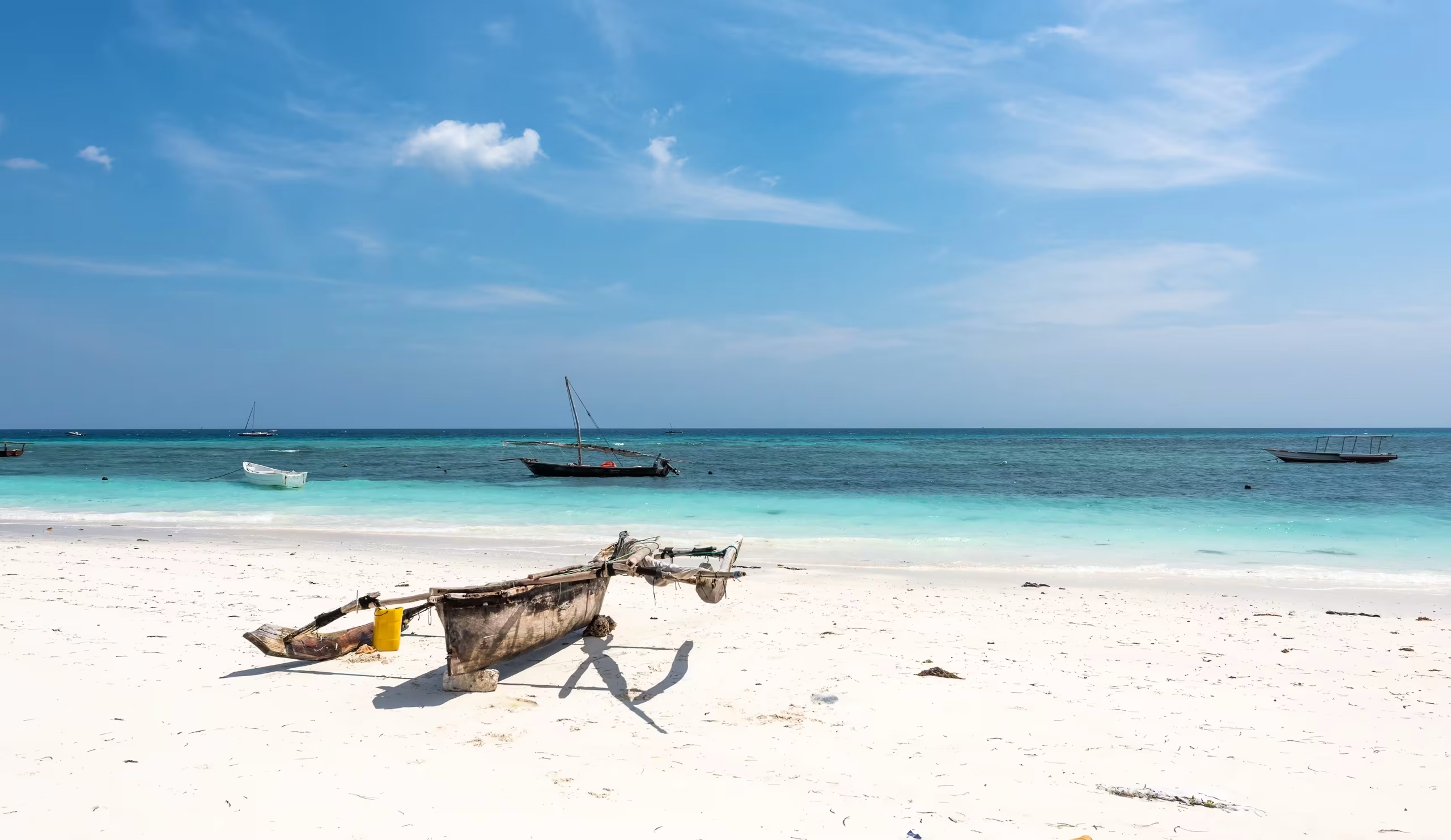
Paje

The kitesurfing epicentre — the liveliest stretch, with kite schools, beach bars and a young feel.

Jambiani - Paje & Jambiani - 1200x900Region - Jambiani - 1200x900

Jambiani

A quieter, traditional fishing and seaweed-farming village, slower and more local in pace.
The Lagoon & Reef - Paje & Jambiani - 1200x900Region - The Lagoon & Reef - 1200x900

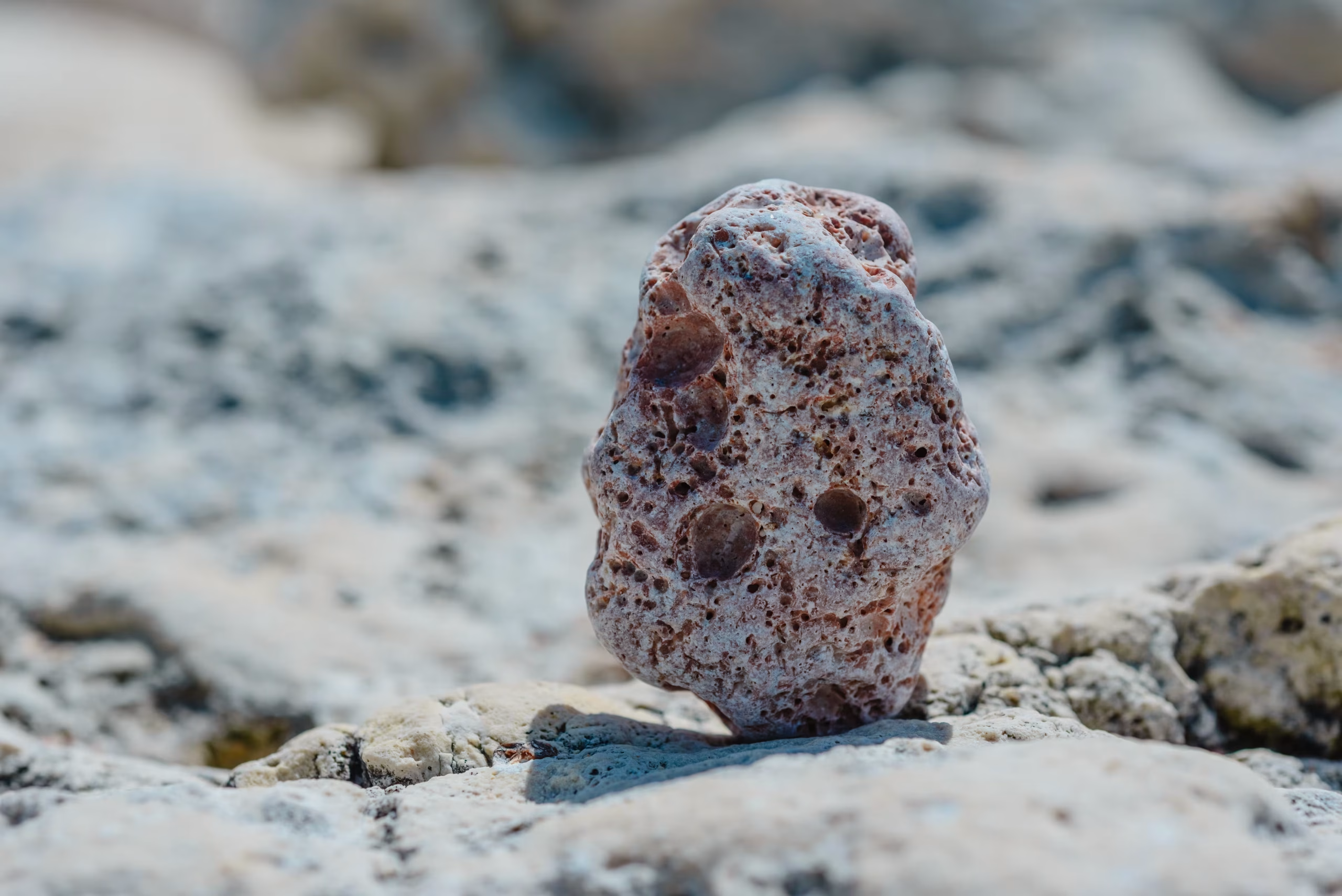
The Lagoon & Reef

Flats to explore at low tide, blue water to swim and kite at high tide, sandbanks beyond.
Sandbank Picnics - Paje & Jambiani - 1200x900Region - Sandbank Picnics - 1200x900

Sandbank Picnics

Boat trips to pristine sandbars that rise from the turquoise sea at low tide.

05 Getting there

How to get there.

Paje and Jambiani lie on Zanzibar's south-east coast, about 50 kilometres from Stone Town and the international airport — a drive of around an hour across the island's interior. Most travellers arrive via Zanzibar's airport, on direct international flights or short hops from Dar es Salaam and the northern safari circuit, and transfer by road to the coast. The cross-island drive is straightforward and can be combined with a stop at the Jozani Forest, which lies on the way, to see the endemic red colobus monkeys. Once on the east coast, the villages are strung along the beach and easily reached from one another by taxi, bike or a walk along the sand.

07 The route

A sample Paje & Jambiani few days.

Day 01

Arrive on the east coast

Fly into Zanzibar and transfer across the island to Paje or Jambiani, pausing at Jozani Forest en route, and settle into the laid-back rhythm of the turquoise lagoon.

Day 02

Kitesurfing or the lagoon

A day of kitesurfing lessons on the flat-water lagoon at Paje, or, for non-kiters, exploring the tidal flats at low tide and swimming the blue lagoon at high tide.

Day 03

Sandbank & snorkelling

A boat trip to a pristine sandbank for a picnic on the sand in the middle of the sea, with snorkelling on the reef among coral and fish.

Day 04

Village & relax

A gentle morning exploring Jambiani's fishing village and seaweed farms, then a final afternoon on the beach before flying home or onward.

08 Questions

Paje & Jambiani travel questions.

Paje and Jambiani, on Zanzibar's south-east coast, are known for their laid-back atmosphere, a long turquoise lagoon and powder-white sand, and — Paje especially — world-class kitesurfing. The east coast offers a slower, more local beach experience than the lively north, with dramatic tides that reveal seaweed farms and tidal flats to explore.
Yes — Paje is one of the finest kitesurfing spots in the world and Zanzibar's kite capital. Its steady trade winds, shallow flat-water lagoon and wide, empty beach are ideal, with many kite schools for all levels. The main kite seasons are roughly June–September (stronger wind) and December–February.
The dry seasons are best: June to October and December to February bring warm, sunny weather, and both align with the main kitesurfing wind seasons. The long rains from March to May are the wettest and quietest with lighter winds. The lagoon's tides shape any visit — high tide for swimming, low tide for exploring the flats.
Paje is the livelier hub and kitesurfing centre, with the most kite schools, beach bars and a young, international feel. Jambiani, just to the south, is quieter and more traditional — a working fishing and seaweed-farming village with a slower, more local atmosphere. Both share the same turquoise lagoon.
The east coast has dramatic tides that retreat far across the lagoon twice a day, revealing sand flats, tidal pools and the local seaweed farms, before returning to fill the lagoon with turquoise water. Swimming is best around high tide, while low tide reveals a fascinating world of flats to explore on foot.
They lie on Zanzibar's south-east coast, about 50 kilometres from Stone Town and the airport — around an hour by road across the island. Most travellers fly into Zanzibar and transfer by road, often stopping at the Jozani Forest, which lies on the way, to see the endemic red colobus monkeys.

Ready to see Paje & Jambiani?

Tell us how you want to travel and a guide in Arusha will build you a route - within 24 hours, from a person, not a brochure.

Loading itinerary…
Saved Trips