Usa River, Arusha · Tanzania
+255 652 135 520
info@naratanzaniasafaris.co.tz
LOGONaraTanzania Safaris
Mega feature — Land Cruiser, Ndutu plains — 800×1000
Handmade journeys
LOGONaraTanzania Safaris
Serengeti hero — plains at golden hour — 2400×1500
The place where the land runs on forever — home to the Great Migration and one of Africa's greatest concentrations of wildlife.
01 The place
The Serengeti is the reason most people come to Tanzania. Fourteen thousand square kilometres of open plain in the country's north, it holds the largest herds of grazing animals left on earth and the predators that follow them. The name comes from the Maasai siringet — "the place where the land runs on forever" — and standing on the short-grass plains in the south, watching the horizon curve away in every direction, you understand the phrase exactly.
For over sixty years the Serengeti has been a national park, and since 1981 a UNESCO World Heritage Site. It sits at the heart of a much larger ecosystem that spills north across the Kenyan border into the Maasai Mara and south into the Ngorongoro Conservation Area. Animals do not recognise the boundary; the wildebeest that calve on Ndutu's plains in February are the same animals crossing the Mara River in Kenya five months later. Planning a Serengeti safari means understanding that movement — where the herds are, and when.
02 The migration
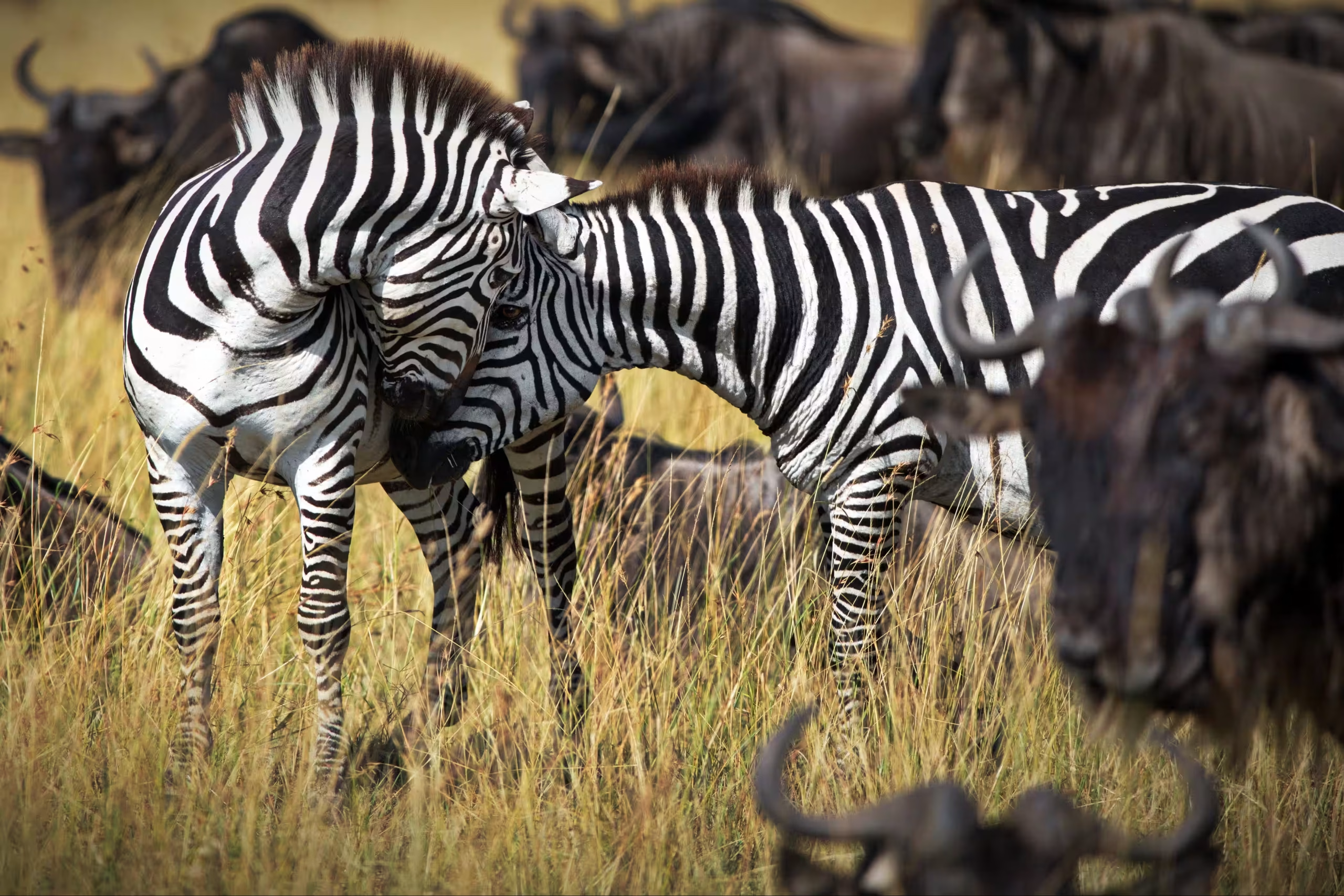
The Great Migration is not an event with a date. It is a continuous, year-round movement of roughly 1.5 million wildebeest, several hundred thousand zebra, and Thomson's gazelle, following the rains and the grass they bring. The herd moves clockwise through the Serengeti-Mara ecosystem across the year, and where you should go depends entirely on when you travel.
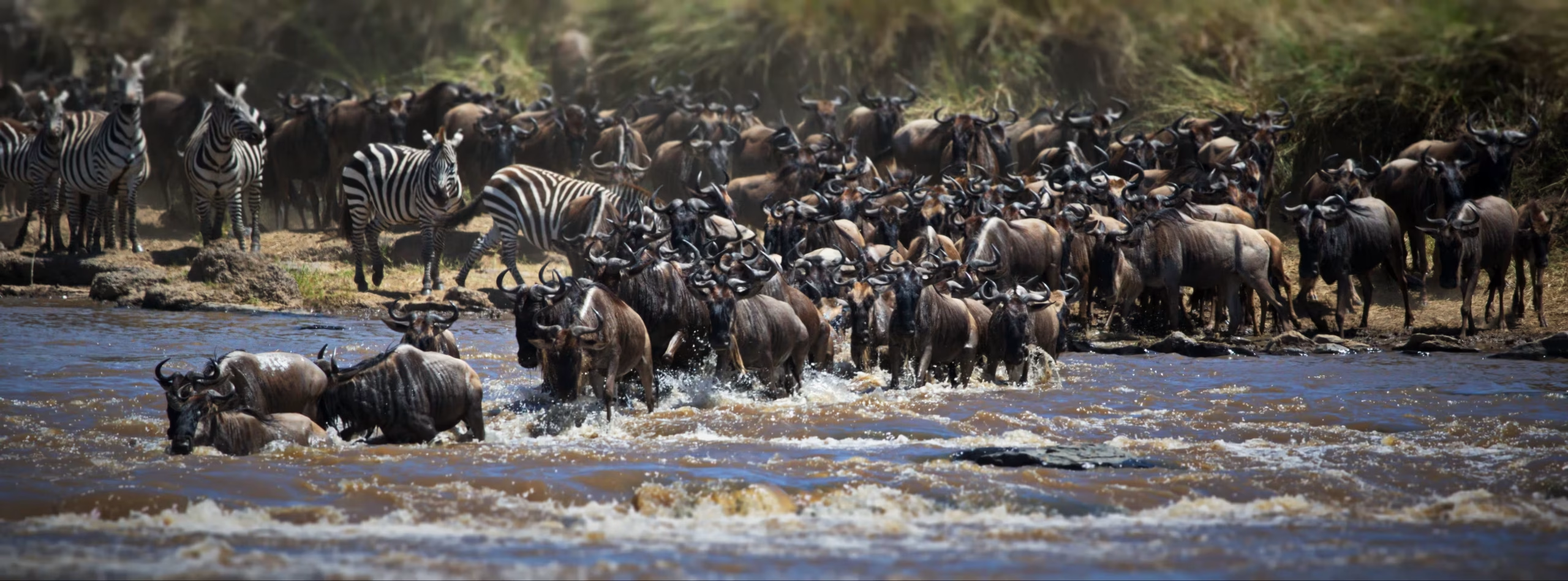
From December to March the herds gather on the southern short-grass plains around Ndutu and the Ngorongoro Conservation Area. This is calving season: in a roughly three-week window in February, close to 500,000 calves are born. It is the best time of year for predator action, because the concentration of newborns draws lions, cheetah and hyena into the open. From April the herds begin moving north-west through the Moru Kopjes and the Western Corridor, reaching the Grumeti River around May and June. July to October sees the herds in the northern Serengeti and crossing into the Maasai Mara — this is the period of the dramatic Mara and Grumeti river crossings, where the animals mass on the bank and plunge through crocodile-filled water. By November the short rains draw them south again, and the cycle begins over.
No single lodge or camp sees the migration all year. This is why serious Serengeti operators move their guests — or use mobile tented camps that relocate with the herds — rather than booking a single fixed base and hoping.
03 When to go
The honest answer is that the Serengeti rewards visitors in every month, but what you see changes. The dry season, June to October, is the classic safari window: sparse vegetation and animals concentrated around water sources make general game viewing easiest, and this is also river-crossing season in the north. It is the busiest and most expensive time to travel.
January to March is calving season on the southern plains — arguably the single best time for predator sightings, and quieter in the north. April and May are the long rains: the landscape is at its greenest, rates are at their lowest, and while some roads become difficult, the photography is extraordinary and the crowds thin. November, the short rains, is a genuine sweet spot — good value, freshly green plains, and the herds moving back south.
There is no closed season and no month without excellent wildlife. If your priority is the river crossings, come July to October. If it is calving and cats, come February. If it is value and green landscapes, come in the shoulder months.
Serengeti band — Mara River crossing — 2400×1350
In a three-week window each February, close to half a million wildebeest calves are born on the southern plains.
04 The wildlife
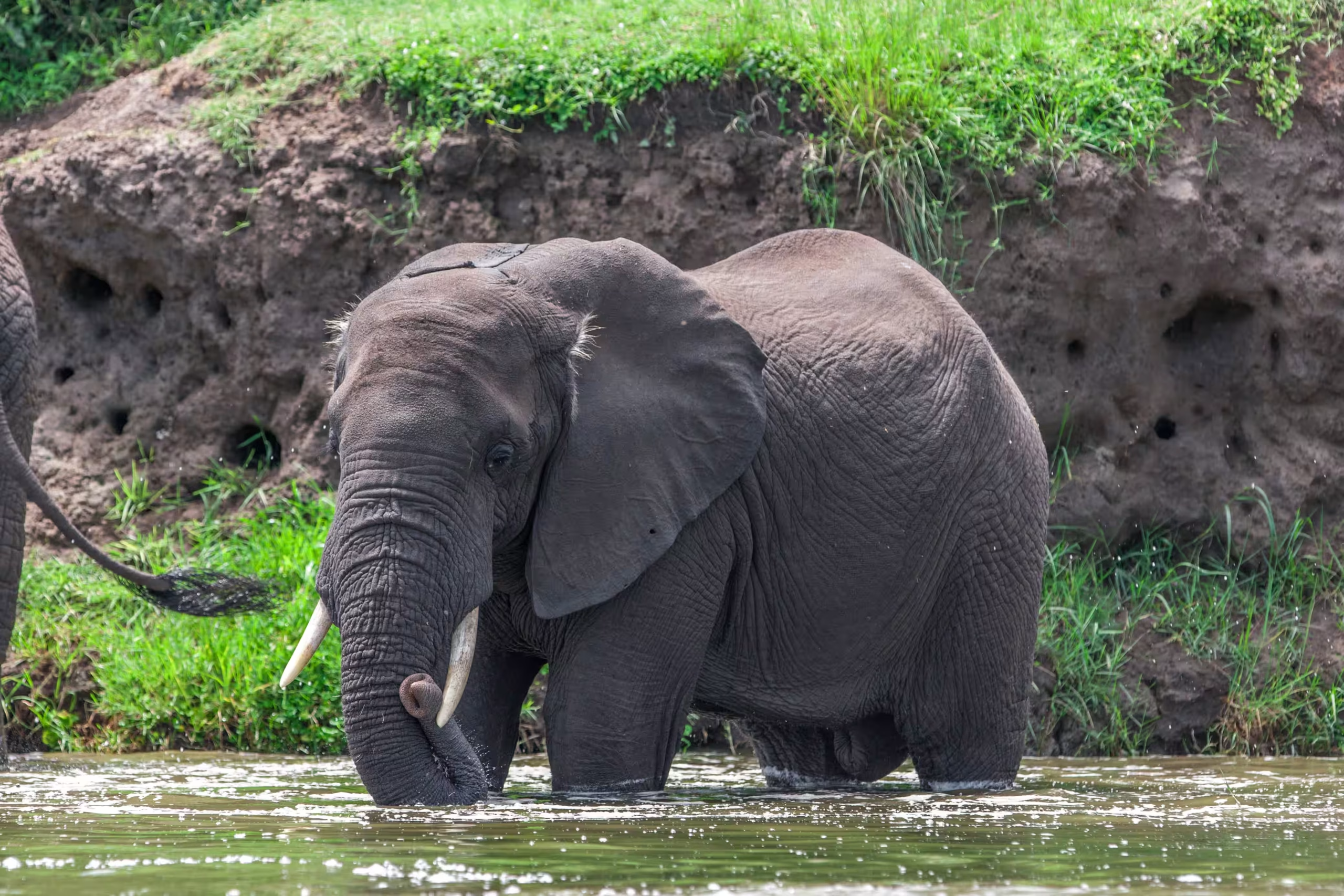
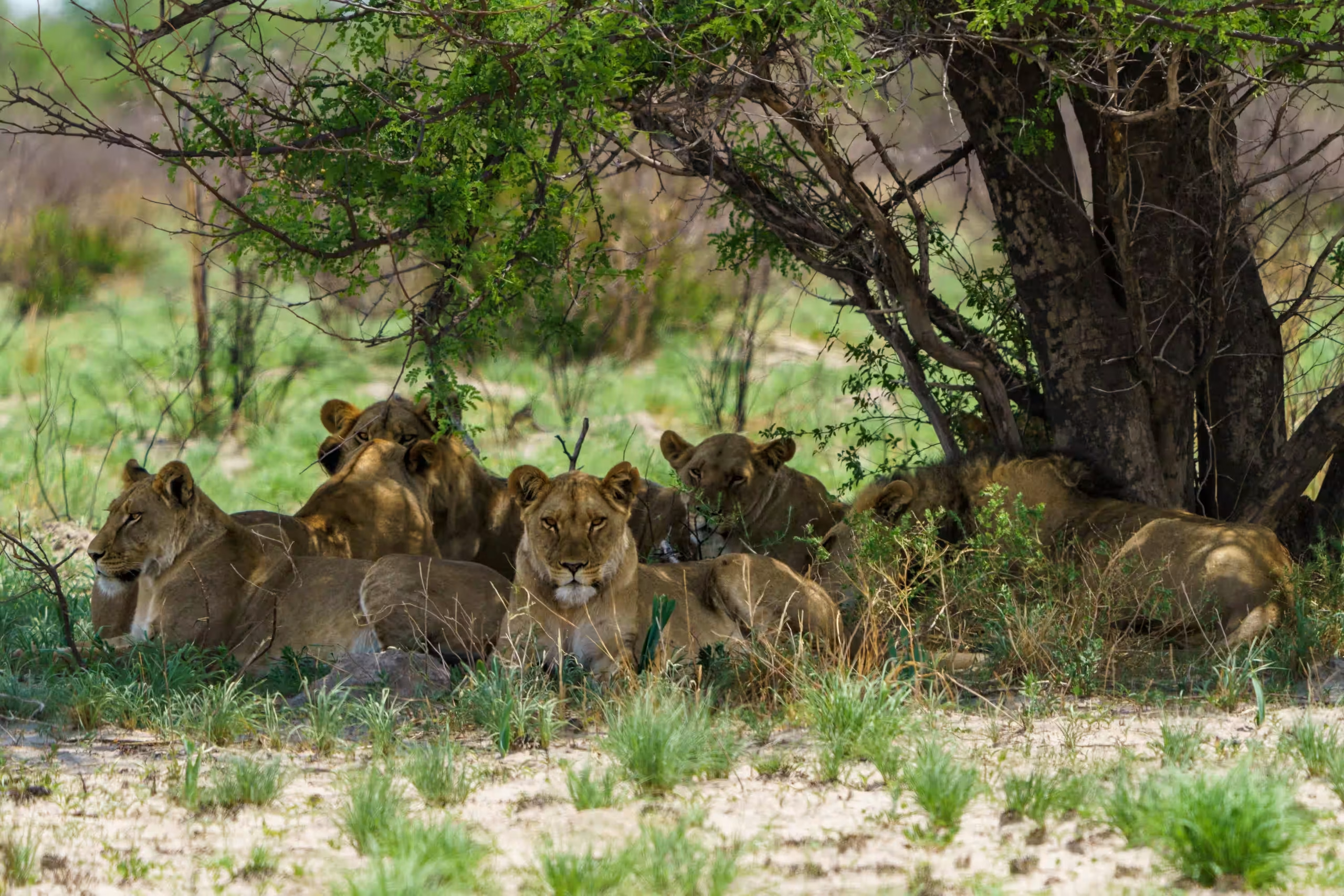
Beyond the migration, the Serengeti holds one of the densest predator populations in Africa. It is among the best places on the continent to see all of the Big Five — lion, leopard, elephant, buffalo and the critically endangered black rhino, though rhino are rare and mostly confined to the Moru area. The park's lion population is one of the largest anywhere, and the Serengeti's prides are unusually habituated to vehicles, which makes for exceptional sightings.
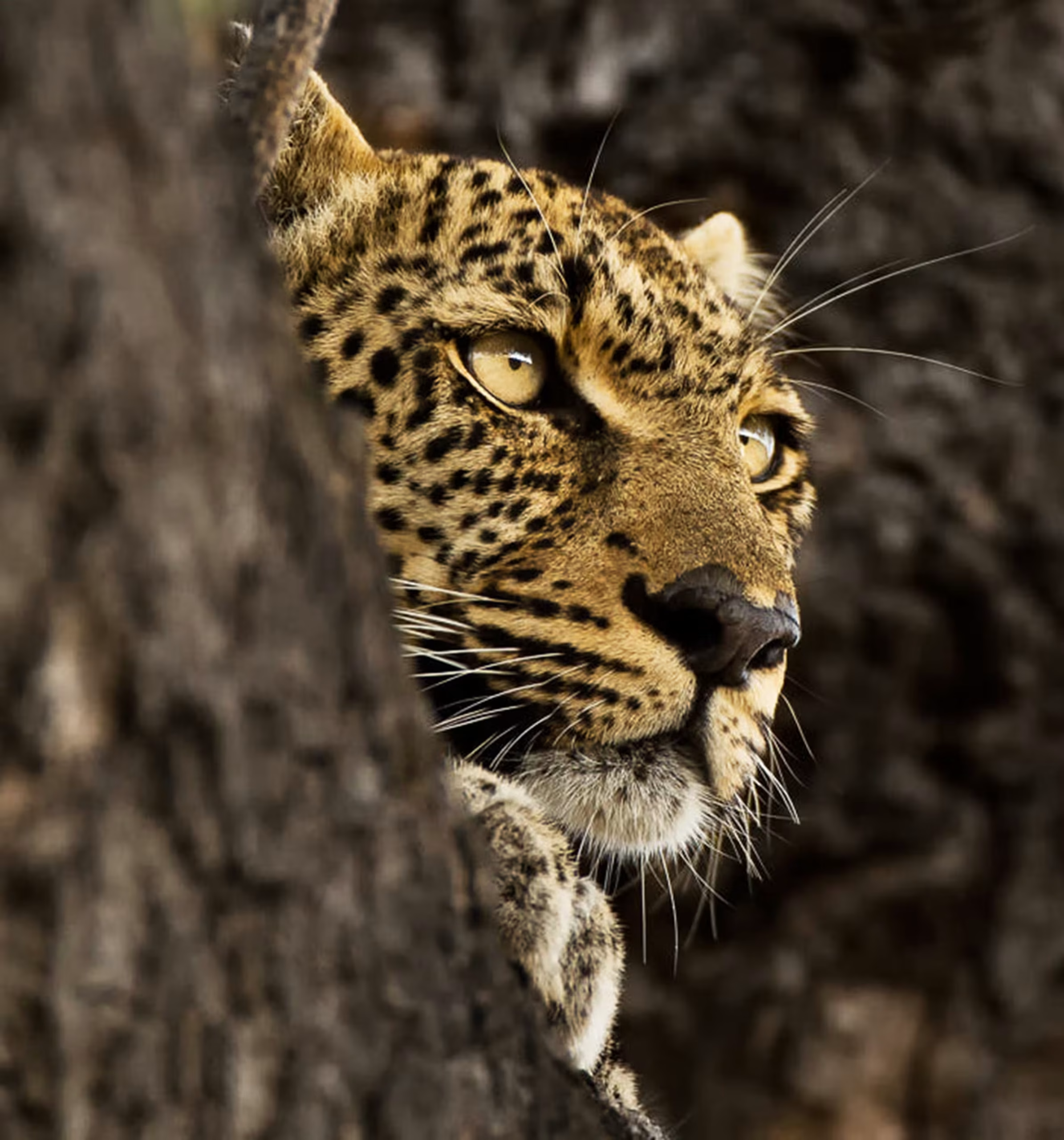
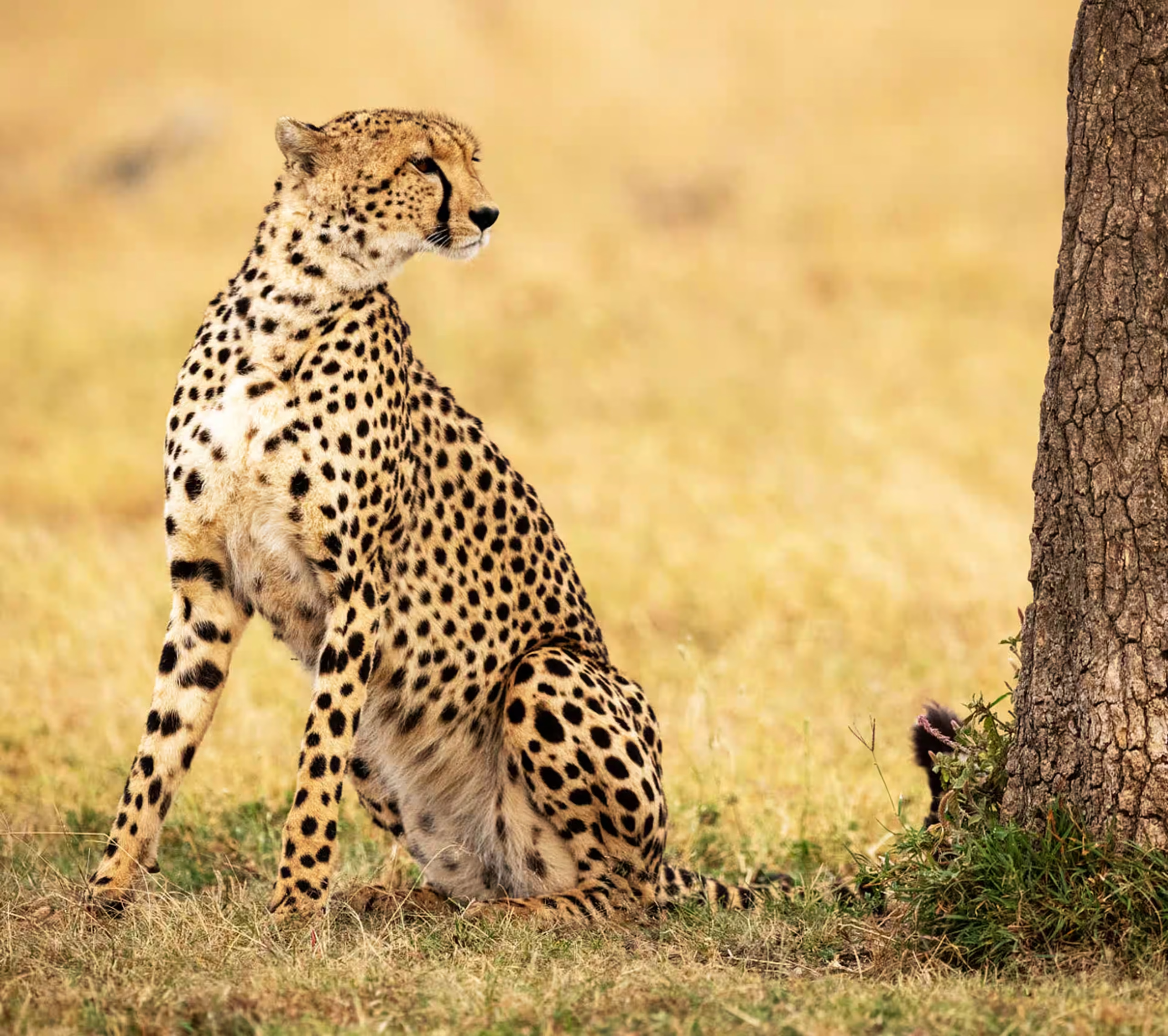
Leopard are regularly seen draped in the sausage trees and acacias along the Seronera River valley in the central Serengeti, one of the most reliable leopard-viewing areas in Africa. Cheetah favour the open southern and eastern plains, where their hunting style suits the terrain. The park also holds large clans of spotted hyena, serval, bat-eared fox, and the full supporting cast of plains game: giraffe, topi, hartebeest, eland, impala and more. Over 500 bird species have been recorded, from ostrich and secretary bird on the plains to lilac-breasted rollers and martial eagles.
05 The regions
The Serengeti is vast, and different regions offer different experiences. The Seronera Valley in the central Serengeti is the park's most accessible and reliably game-rich area, excellent for big cats year-round and the practical base for many itineraries. The southern plains around Ndutu are the calving grounds and the place to be from December to March. The Western Corridor, following the Grumeti River toward Lake Victoria, hosts the herds around May and June and holds resident populations of hippo and crocodile. The northern Serengeti, around Kogatende and the Mara River, is river-crossing country from July to October and remains one of the least crowded parts of the park outside that window. Finally the remote Loliondo and eastern plains offer genuine wilderness and, in some concessions, off-road driving and night drives not permitted inside the park proper.
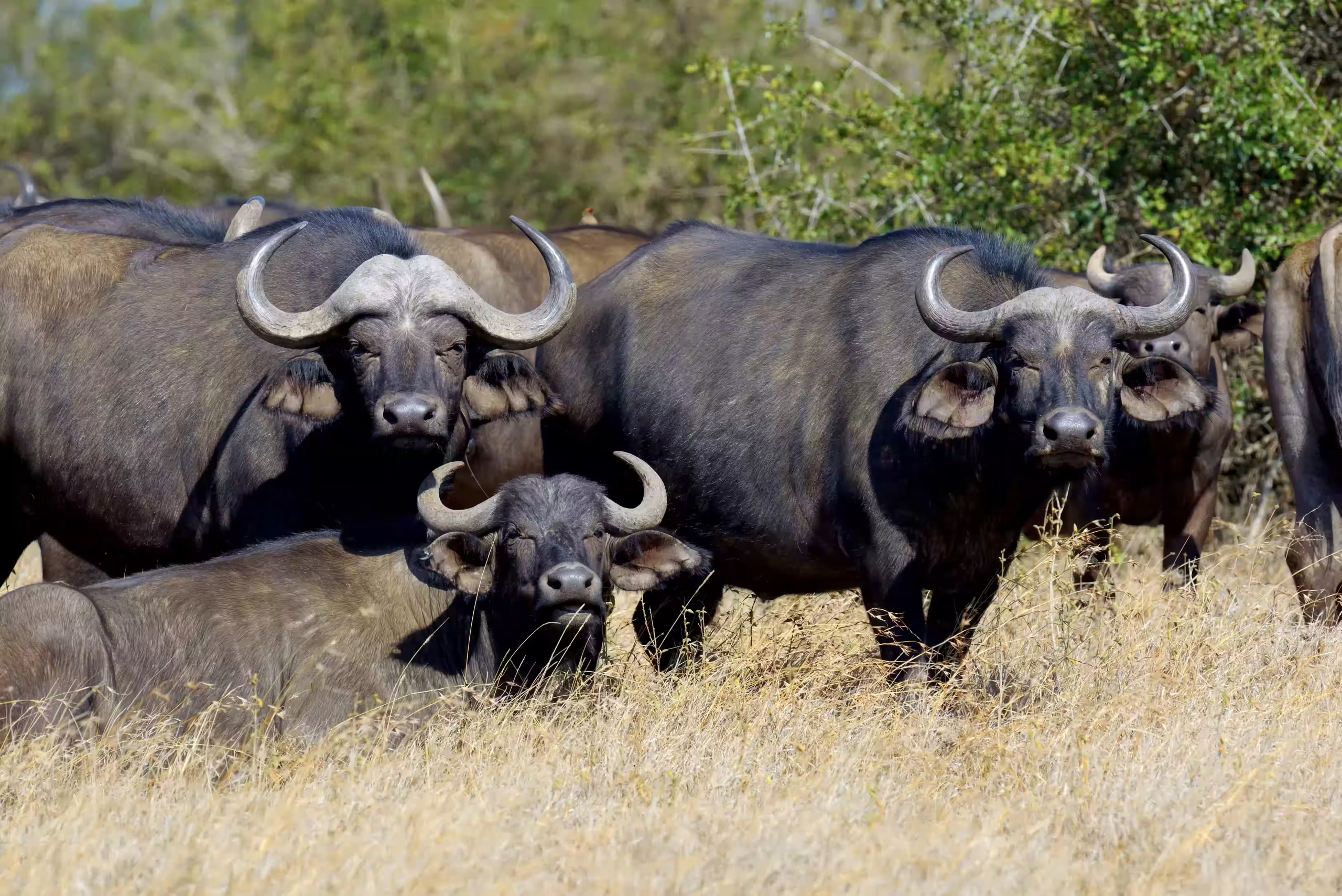
Region - Seronera Valley - 1200x900The park's most accessible, game-rich area. Excellent for big cats year-round.
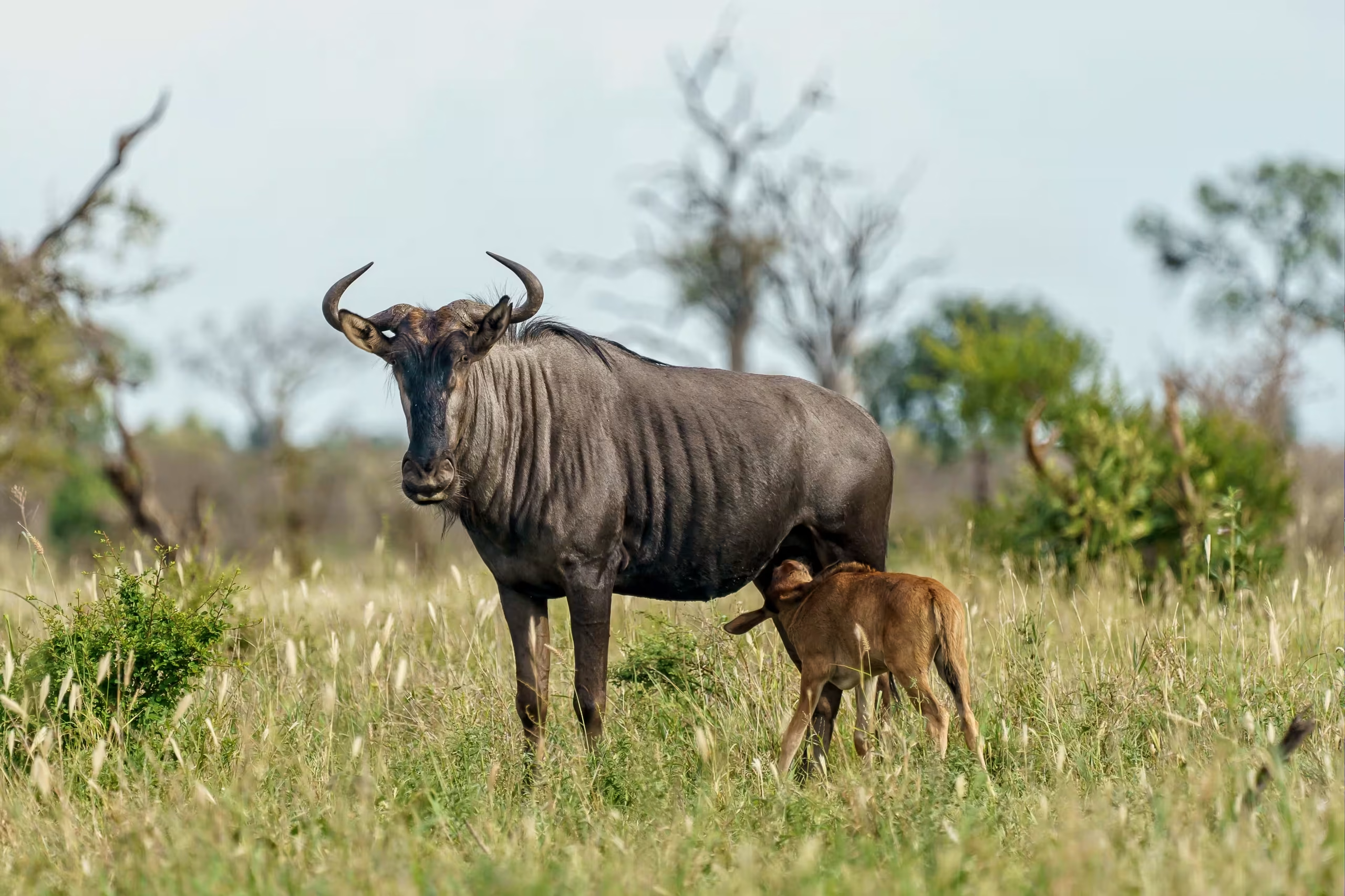
Region - southern plains - 1200x900The calving grounds. Where to be from December to March for newborns and predators.
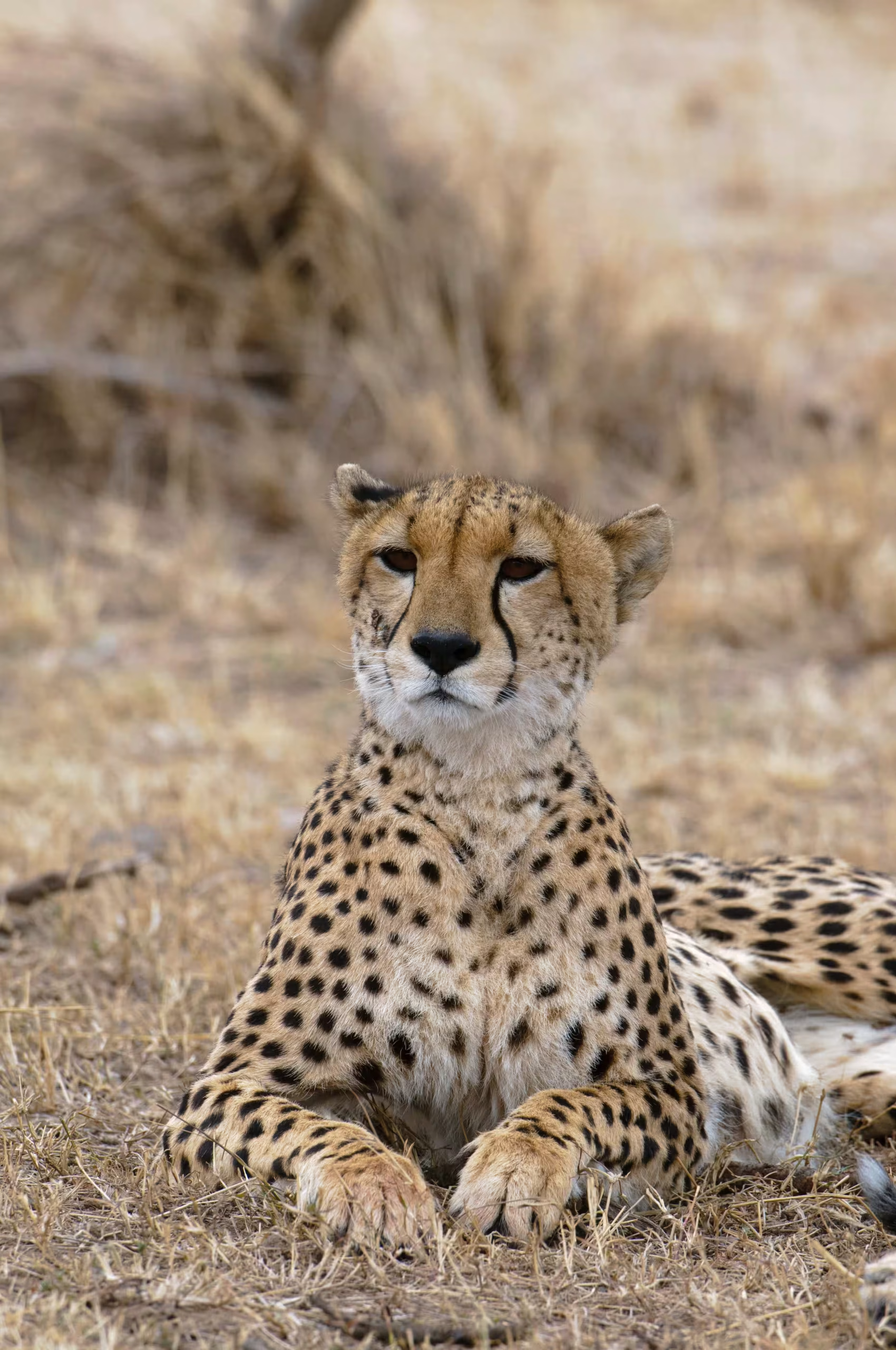
Region - Western Corridor - 1200x900The Western Corridor toward Lake Victoria. Hosts the herds in May and June.
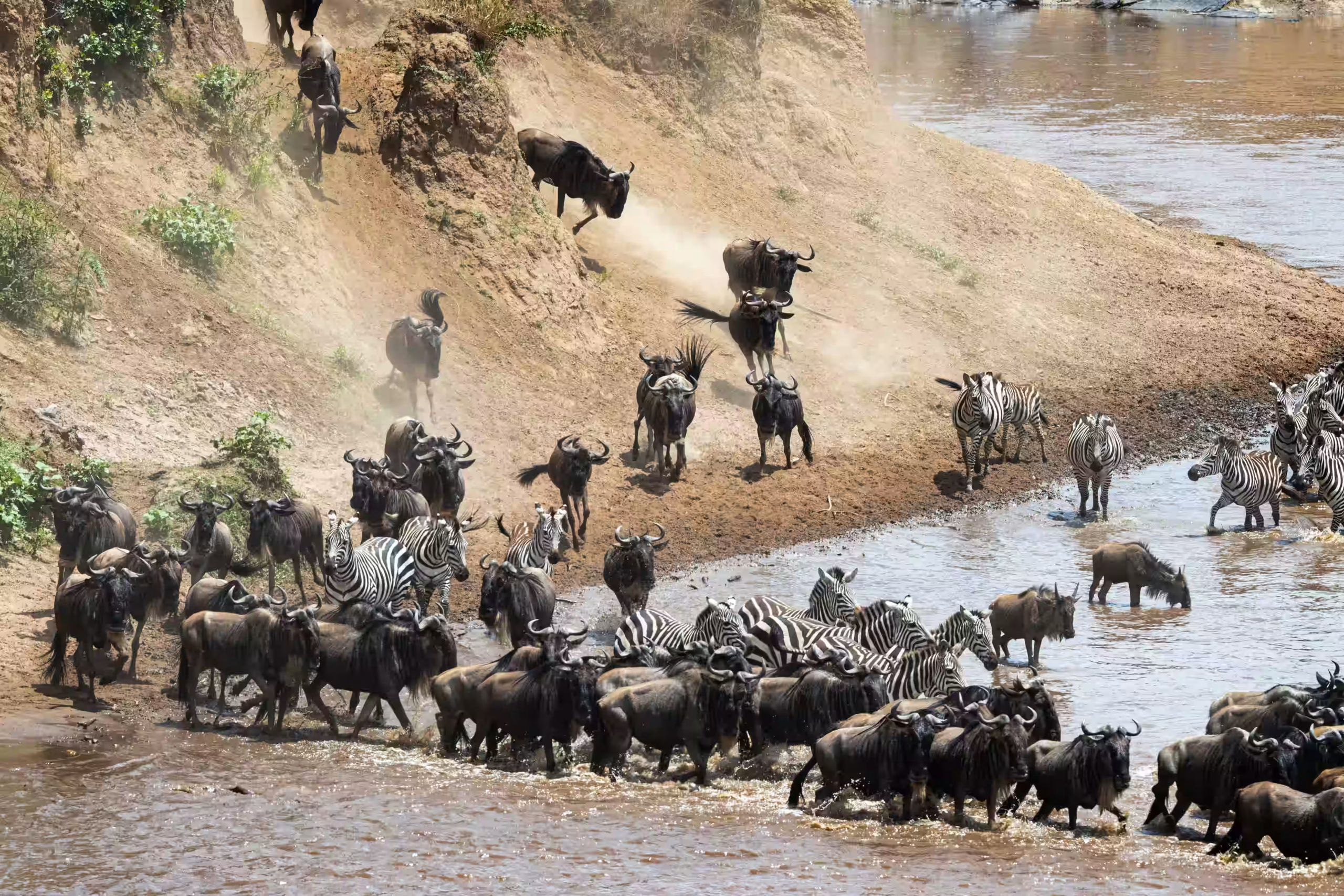
Region - northern Serengeti - 1200x900River-crossing country from July to October, and the least crowded the rest of the year.
06 Getting there
Most Serengeti safaris begin in Arusha, the safari capital of northern Tanzania, a short drive from Kilimanjaro International Airport. From Arusha there are two ways in. The classic overland route drives through Tarangire and the Ngorongoro Conservation Area, reaching the Serengeti in a day or two and taking in several parks on the way — this is the approach for travellers who want to see the full northern circuit. Alternatively, light aircraft fly daily from Arusha to a number of airstrips inside the park (Seronera, Kogatende, Ndutu and others), turning a long drive into a scenic ninety-minute flight. Fly-in safaris cost more but save a full day of driving in each direction and are the sensible choice for shorter trips or for reaching the remote north quickly during crossing season.
07 In pictures
08 The route
Fly from Arusha to the Seronera airstrip and meet your guide on the plains. An afternoon game drive through the Seronera Valley — prime territory for lion and leopard — before checking into camp as the light turns gold.
A full day exploring deeper into the park. In calving season (Dec–Mar) push south to the Ndutu plains for the herds and their newborns; the rest of the year, work the Seronera River and kopjes for cats and the resident plains game.
In crossing season, transfer north to Kogatende for the Mara River crossings — the defining spectacle of the northern Serengeti. Time on the riverbank waiting for the herds to gather and plunge across.
A final morning drive before your onward journey — a flight back to Arusha, or a drive to the Ngorongoro Crater to continue the northern circuit.
09 Questions
Tell us how you want to travel and a guide in Arusha will build you a route — within 24 hours, from a person, not a brochure.