Usa River, Arusha · Tanzania
+255 652 135 520
info@naratanzaniasafaris.co.tz
LOGONaraTanzania Safaris
Mega feature — Land Cruiser, Ndutu plains — 800×1000
Handmade journeys
LOGONaraTanzania Safaris
Ruaha National Park hero - 2400x1500
Tanzania's largest national park — vast, remote and wild, with great prides of lion and one of Africa's biggest elephant populations.
01 The place
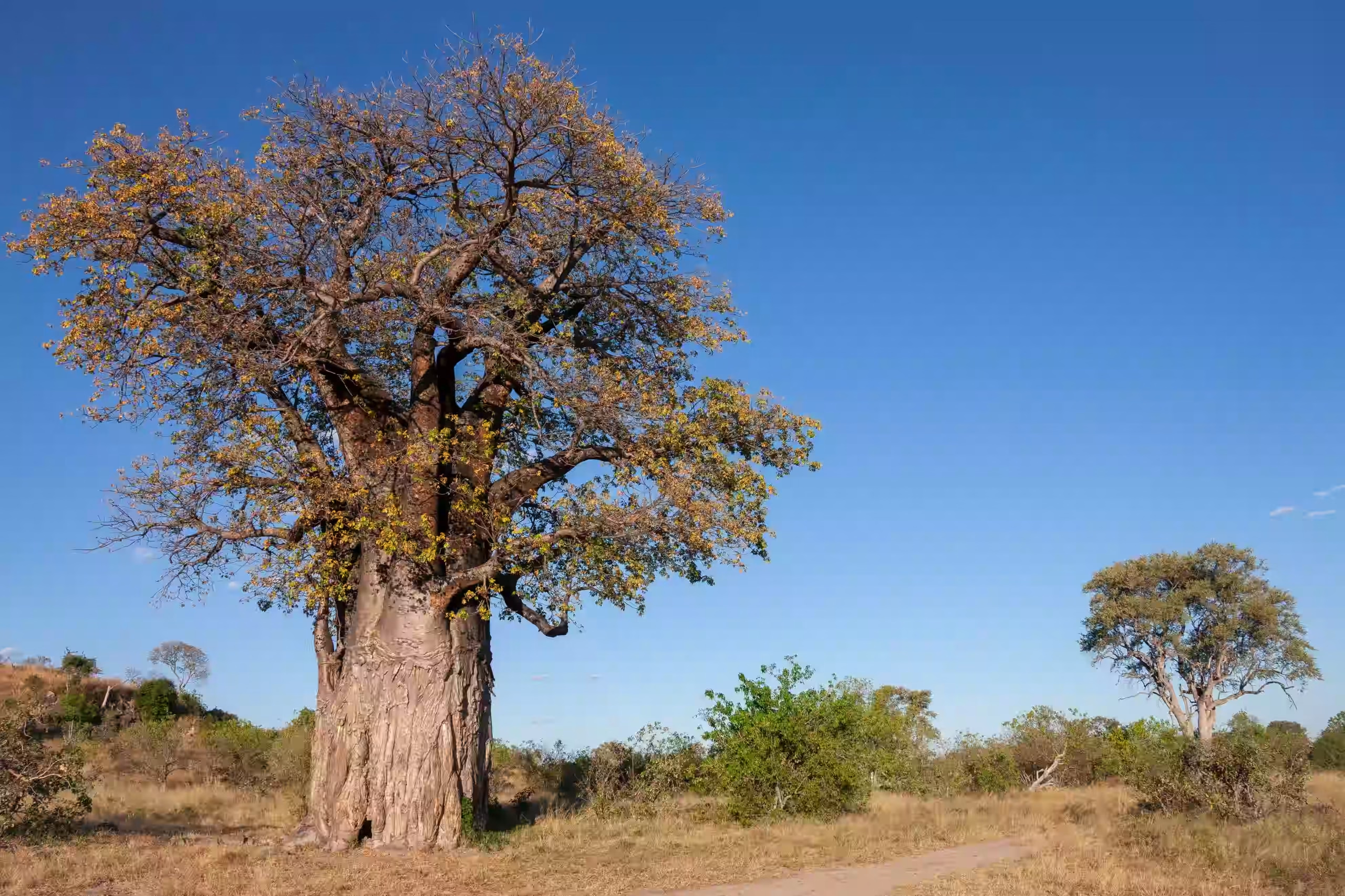
Ruaha National Park is Tanzania's largest, and one of the last truly wild places in East Africa. Covering over 20,000 square kilometres of rugged, remote country in the centre-south of the country, it sees a fraction of the visitors of the northern circuit — which is precisely its appeal. This is big, untamed wilderness, defined by the Great Ruaha River that curves through it, the baobab-studded hills, and a sense of space and solitude that the more famous parks can no longer offer.
Ruaha sits at a crossroads of ecosystems, where the acacia savannah of East Africa meets the miombo woodland of the south. That transition gives the park an unusual richness of species — both the plains game of the north and the woodland species of the south occur here, sometimes side by side. For travellers willing to venture off the beaten track, Ruaha delivers a rawer, wilder safari than almost anywhere else in Tanzania.
02 The wildlife
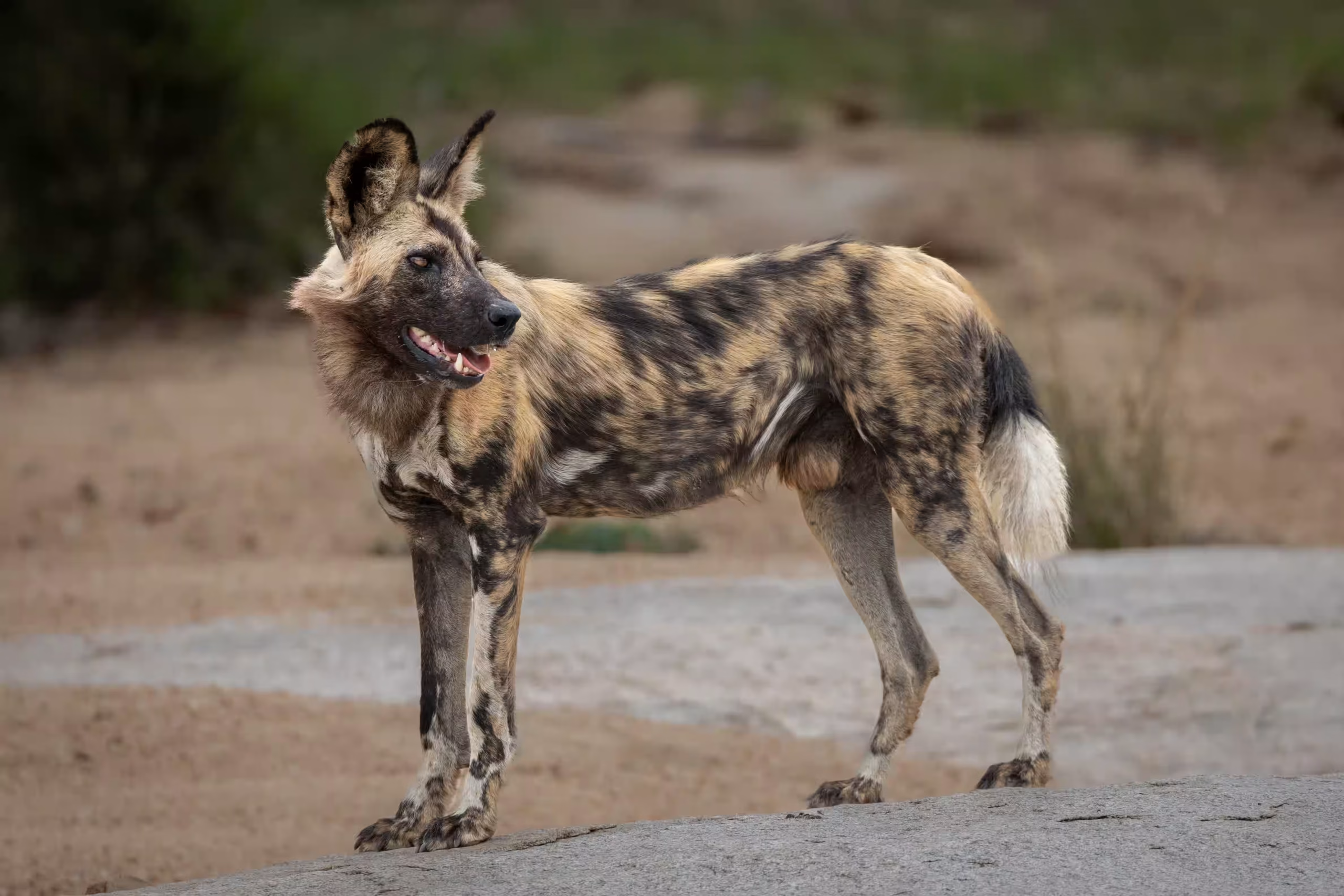
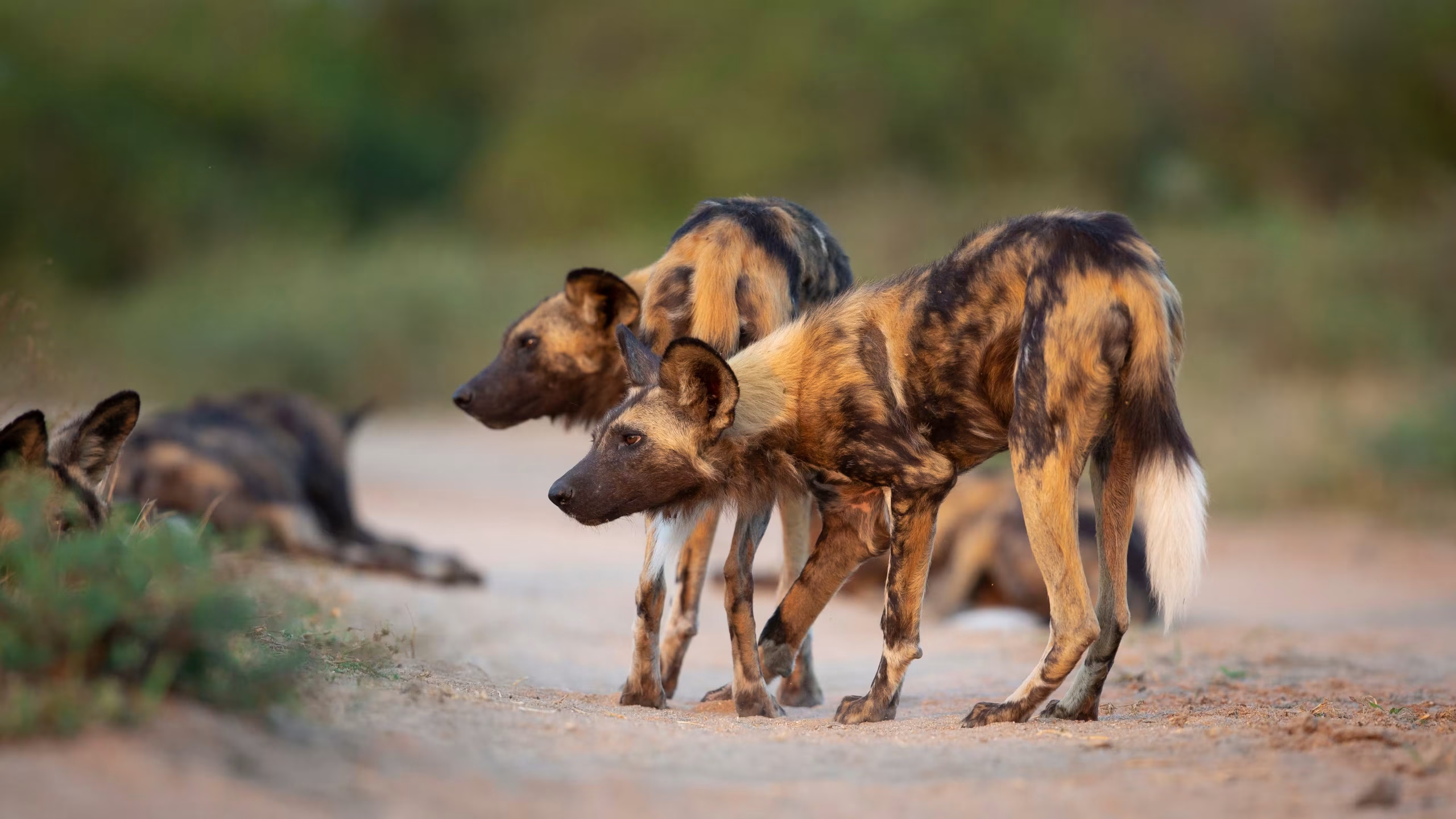
Ruaha is renowned for its predators. It holds one of the largest lion populations of any park in Africa, and its prides — some numbering over twenty individuals — are famous for their size and their hunting of big prey, including buffalo and even giraffe. The park is also one of the most important strongholds in East Africa for the endangered African wild dog, and cheetah and leopard are both present in good numbers, making Ruaha one of the continent's premier big-cat destinations.
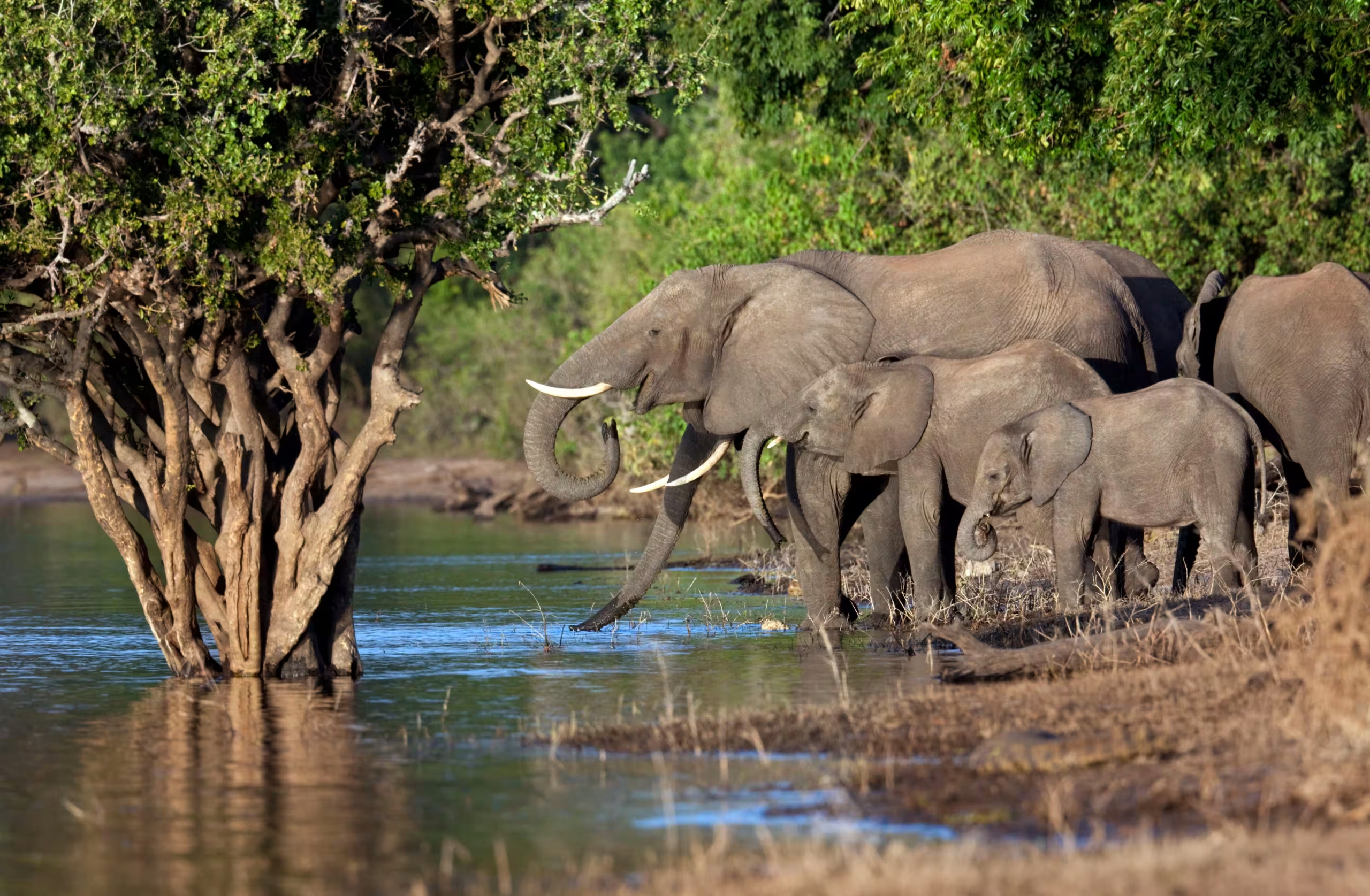
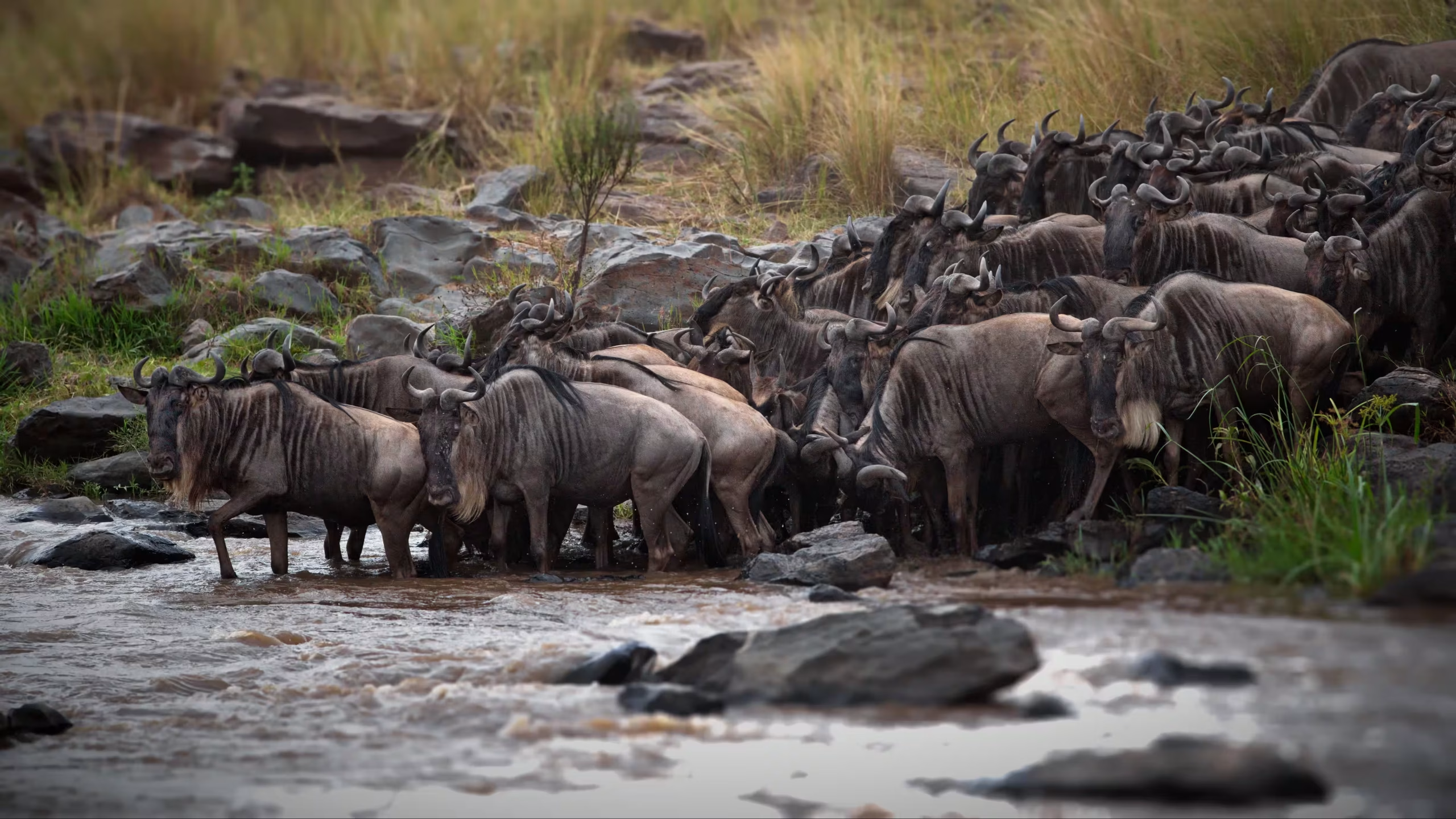
The park holds one of Tanzania's largest elephant populations — over ten thousand animals — which gather along the Great Ruaha River in the dry season. Its position between ecosystems means an unusual mix of antelope: greater and lesser kudu, sable and roan, along with the more familiar zebra, giraffe, impala and buffalo. The riverbanks teem with hippo and crocodile, and over 570 bird species have been recorded. Because Ruaha is so lightly visited, sightings are often shared with no other vehicles — a rare privilege in modern African safari.
03 When to go
Ruaha is at its finest in the dry season, from June to October and into November. As the surrounding country dries out, wildlife concentrates dramatically along the Great Ruaha River, the vegetation thins for easier viewing, and the predator action is at its peak. This is the classic time to visit and the period most camps operate.
The wet season, December to April, brings lush green landscapes, newborn animals and superb birding as migratory species arrive, though some roads become impassable and a number of camps close. The scenery is at its most beautiful in these months, and the park is emptier still. For the concentrated wildlife and big-cat spectacle Ruaha is known for, the dry season is the clear choice.
Ruaha band - 2400x1350
Tanzania's largest national park — vast, remote and wild, with great prides of lion and one of Africa's biggest elephant populations.
04 The regions
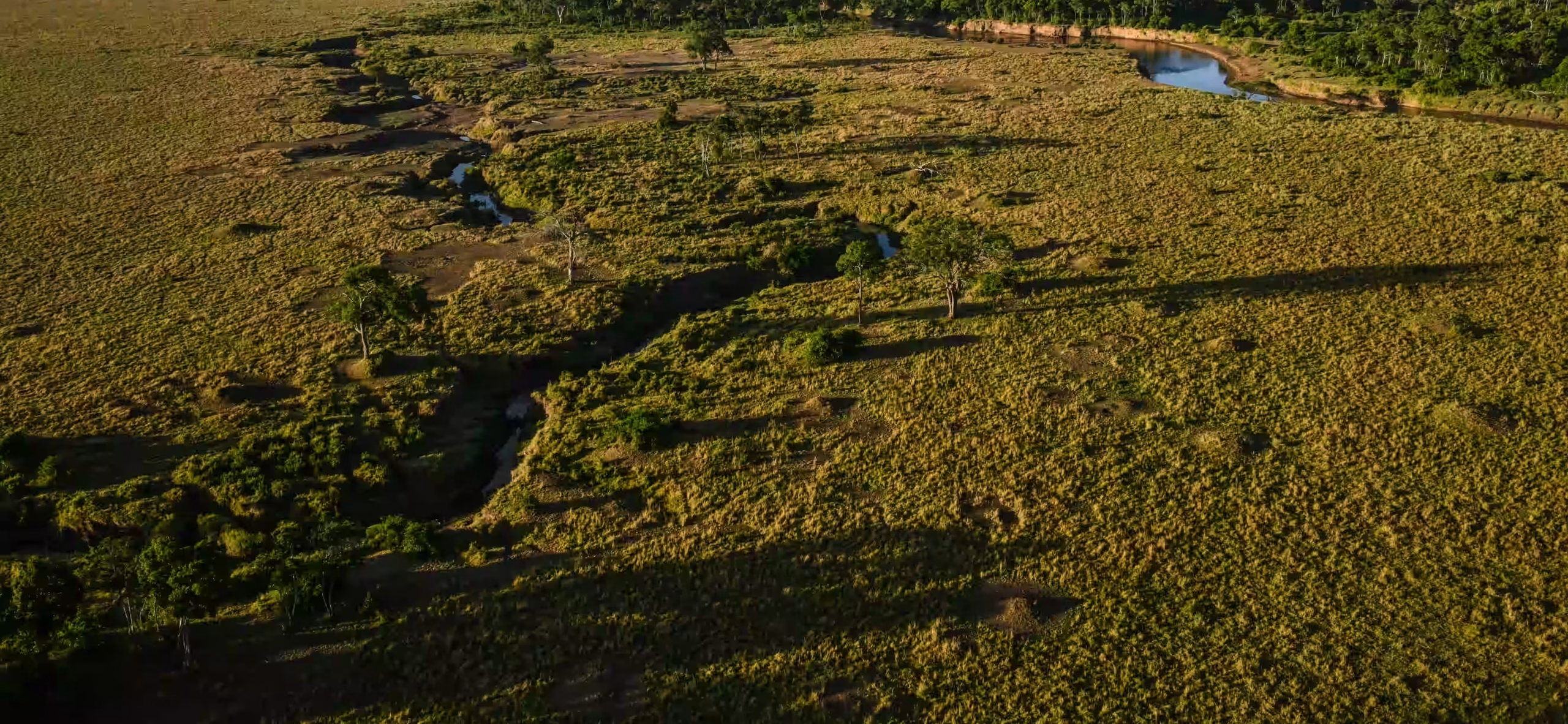
Ruaha's vastness means most safaris focus on the accessible north-east, but its character varies widely. The Great Ruaha River is the park's lifeline and dry-season heart, where elephant, lion and huge concentrations of game gather along the water. The Mwagusi and Mdonya sand rivers, seasonal tributaries, are prime game-viewing corridors and where many of the best camps sit. The rolling miombo woodland that covers much of the park holds sable, roan and kudu and gives Ruaha its southern character. Beyond, the remote southern and western reaches are true wilderness, rarely visited and largely trackless — the domain of serious expeditions.
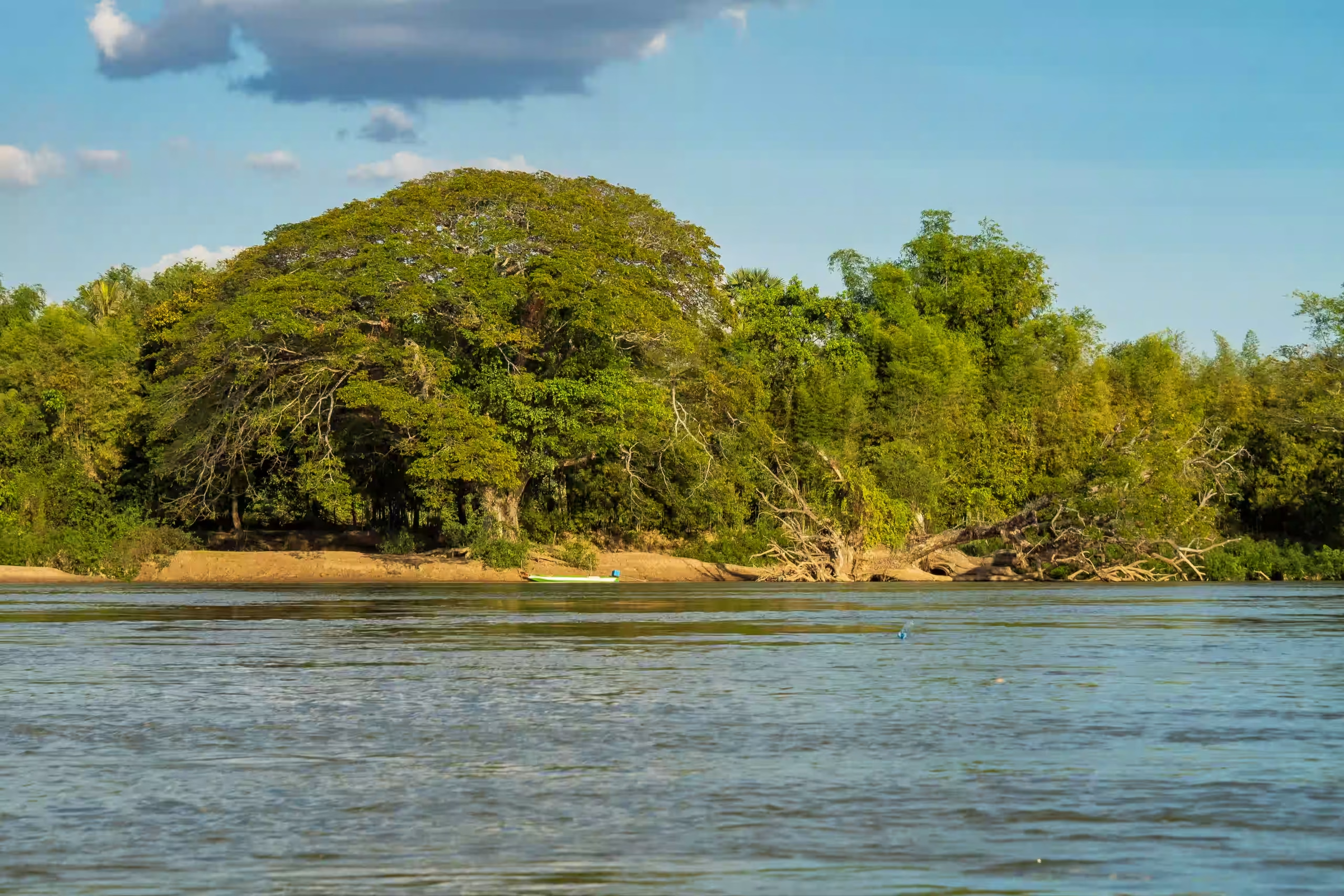
Region - The Great Ruaha River - 1200x900The park's lifeline, where elephant, lion and vast game gather through the dry season.
Region - The Sand Rivers - 1200x900Mwagusi and Mdonya — seasonal tributaries that are Ruaha's prime game-viewing corridors.
Region - The Miombo Woodland - 1200x900Rolling southern woodland holding sable, roan and kudu, and Ruaha's wilder character.
Region - The Southern Wilderness - 1200x900Trackless, rarely visited reaches for serious expeditions and total solitude.
05 Getting there
Ruaha lies in central Tanzania, remote from the northern circuit, and most visitors fly in. Light aircraft connect Ruaha daily to Dar es Salaam, the Selous/Nyerere, and other southern parks, as well as to Arusha, turning what would be a very long drive into a scenic flight of a couple of hours. Overland access is possible via the town of Iringa, about a ten-hour drive from Dar es Salaam or a long day from Arusha, but the great majority of travellers reach Ruaha by air as part of a southern-circuit safari, often combined with Nyerere National Park.
06 In pictures
Gallery - large lion pride - 1400x1600
Gallery - elephants at the river - 900x700
Gallery - wild dogs - 900x700
Gallery - greater kudu - 900x700
Gallery - baobab hillside - 900x70007 The route
Fly from Dar es Salaam or the northern circuit to an airstrip inside Ruaha, meeting your guide for an afternoon game drive along the Great Ruaha River.
A full day exploring the Great Ruaha River and the Mwagusi sand river — prime territory for Ruaha's huge lion prides, elephant herds and the chance of wild dog and cheetah.
Venture into the miombo woodland for sable, roan and kudu, and the deeper wilderness where sightings are shared with no one.
Fly onward to Nyerere for a river-and-boat contrast, or begin the journey home.
08 Questions
Tell us how you want to travel and a guide in Arusha will build you a route - within 24 hours, from a person, not a brochure.