Nara Tanzania Safaris

Usa River, Arusha · Tanzania +255 652 135 520 info@naratanzaniasafaris.co.tz
NaraTanzania Safaris Plan your safari
Nyerere National Park - 2400x1500 Nyerere National Park hero - 2400x1500

Nyerere National Park

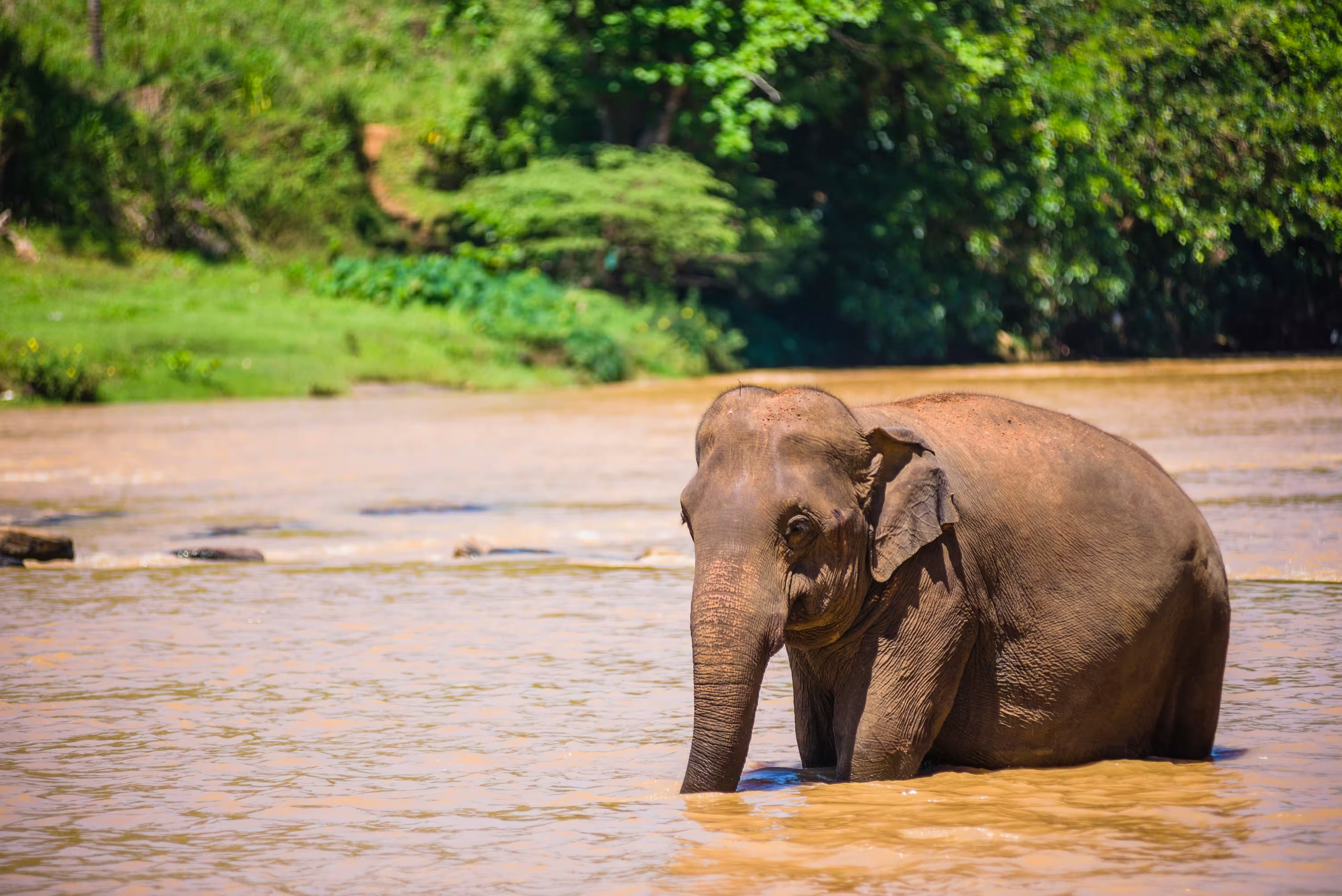
One of Africa's largest protected wildernesses — the former Selous — where the Rufiji River brings boat safaris, walking and huge herds to the wild south.
30,000+ km²Vast wildernessRufijiRiver & lakesBoat & walkingSafaris

01 The place

Nyerere, in short.

Nyerere National Park is one of the largest national parks in Africa — a vast wilderness of over 30,000 square kilometres in southern Tanzania, carved in 2019 from the northern part of the former Selous Game Reserve and named for the country's founding president, Julius Nyerere. This is safari on an epic scale: a landscape of woodland, grassland, sand rivers and, at its heart, the great Rufiji River, which spreads into a maze of channels, lakes and swamps that give the park its unique character and its finest experiences.

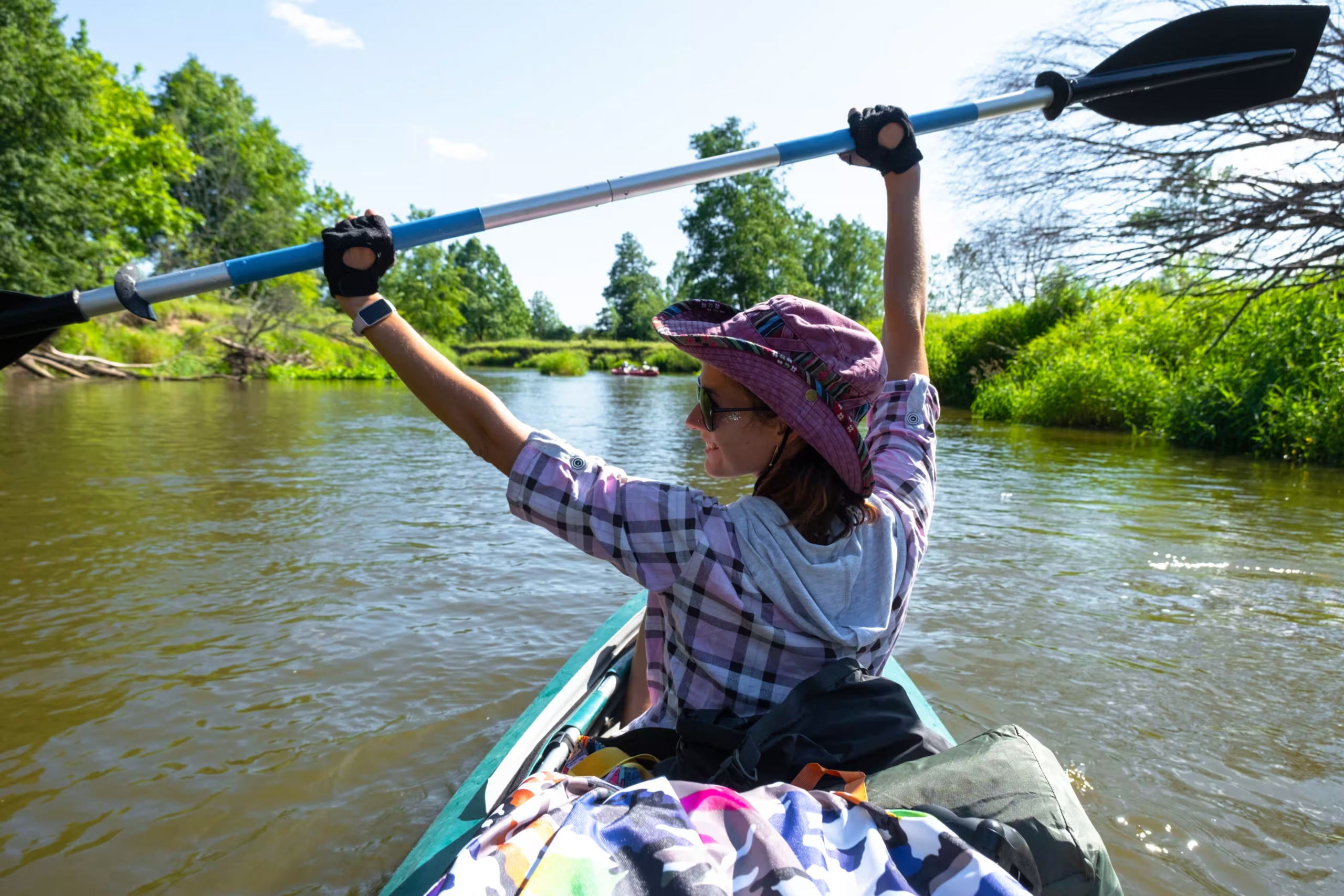
What sets Nyerere apart from the northern parks is water. The Rufiji and its lakes make this one of the best places in Tanzania for boat safaris — drifting past hippo, crocodile and drinking elephant, with the wildlife viewed from the water rather than a vehicle. The park also permits walking safaris, offering a rare chance to explore on foot. Combined with its enormous size, low visitor numbers and rich wildlife, Nyerere offers a wilder, more varied and more intimate safari than the crowded north, and forms the cornerstone of Tanzania's southern circuit.

02 The wildlife

The wildlife.

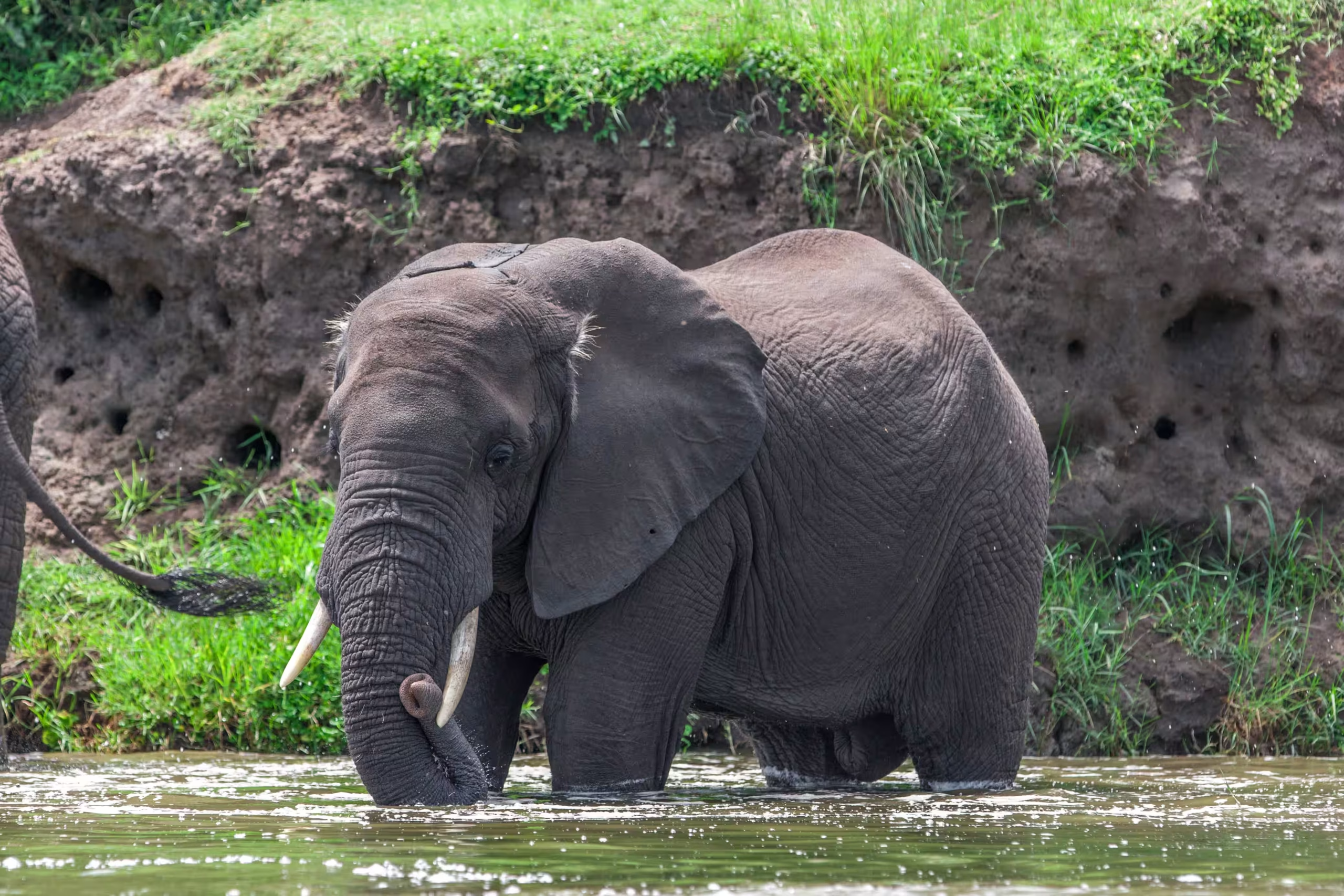
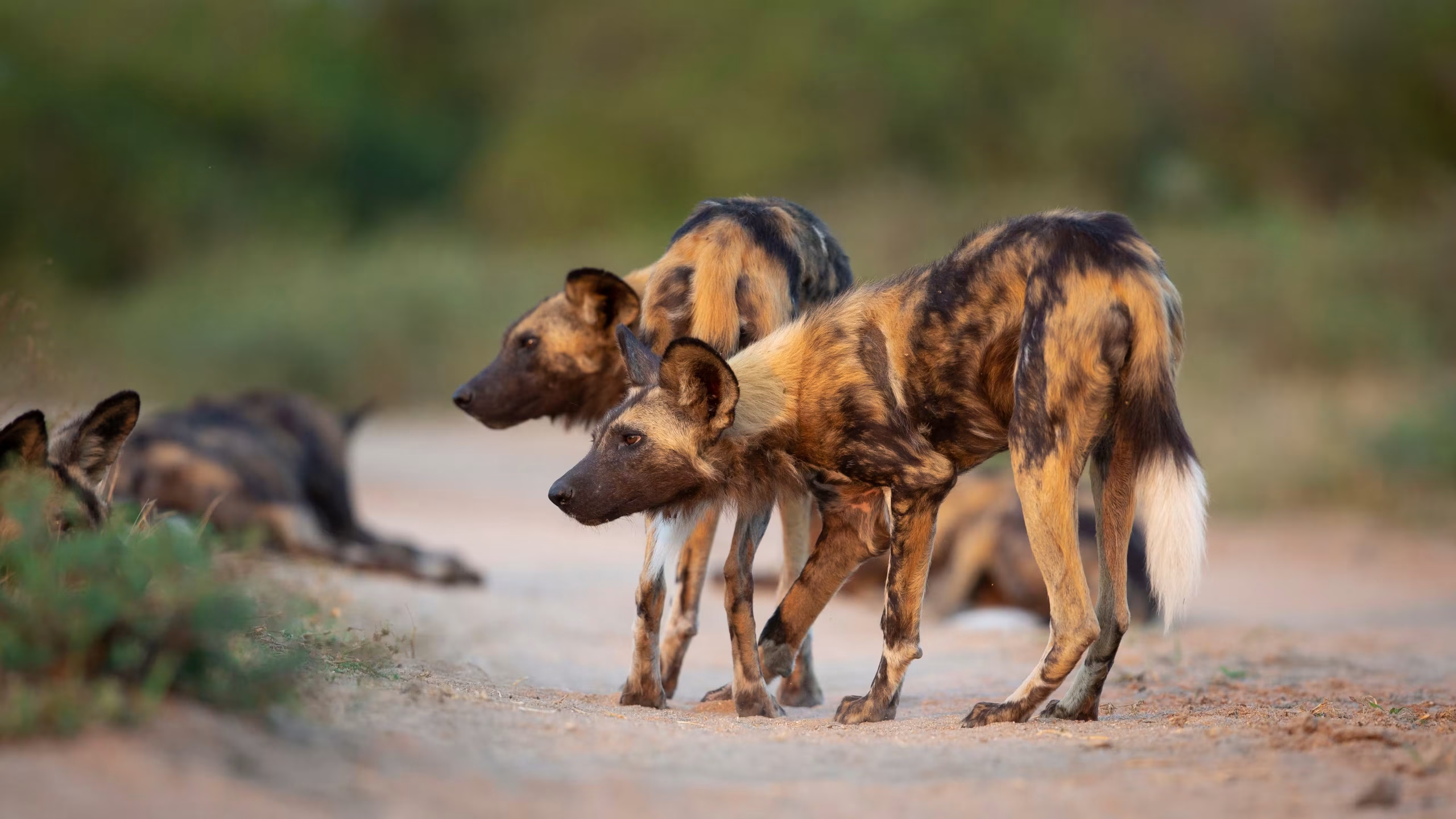
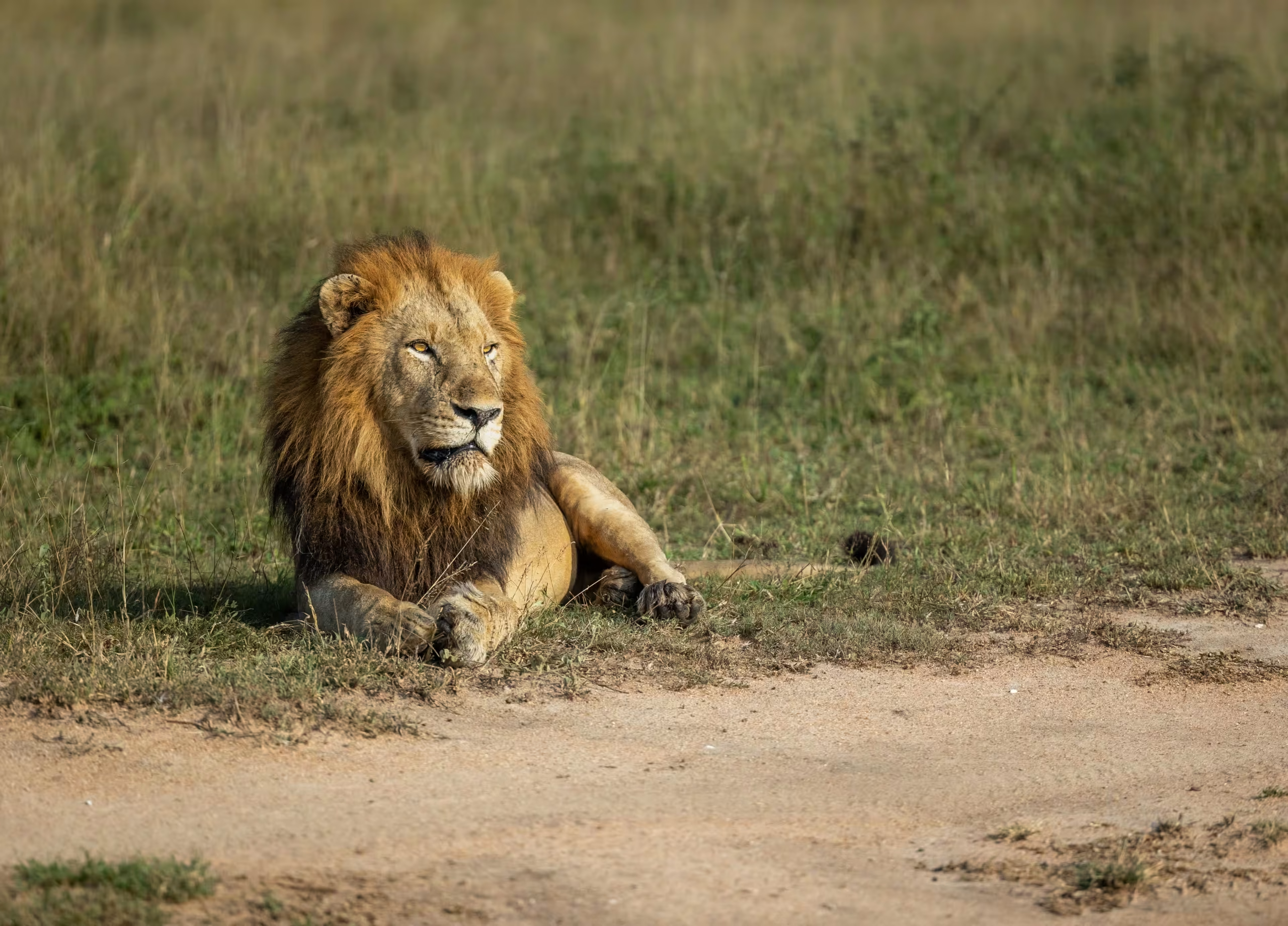
Nyerere holds some of the largest wildlife populations in Africa. Its elephant herds, which suffered heavily from poaching in past decades, are recovering, and the park remains one of the continent's most important elephant strongholds. It is also a key refuge for the endangered African wild dog, holding one of the largest populations anywhere, and its lion prides are large and frequently seen along the rivers and lakes.

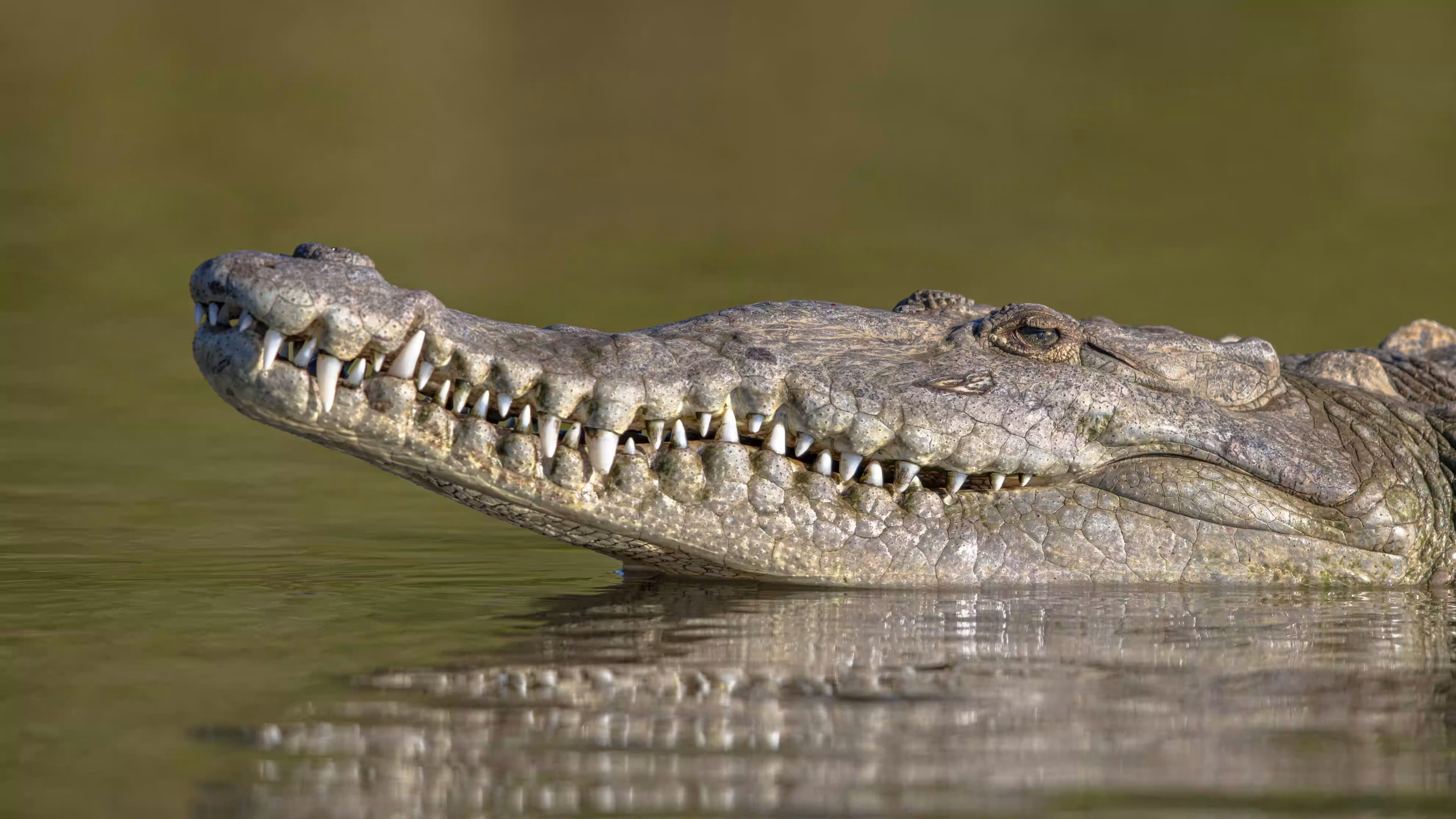
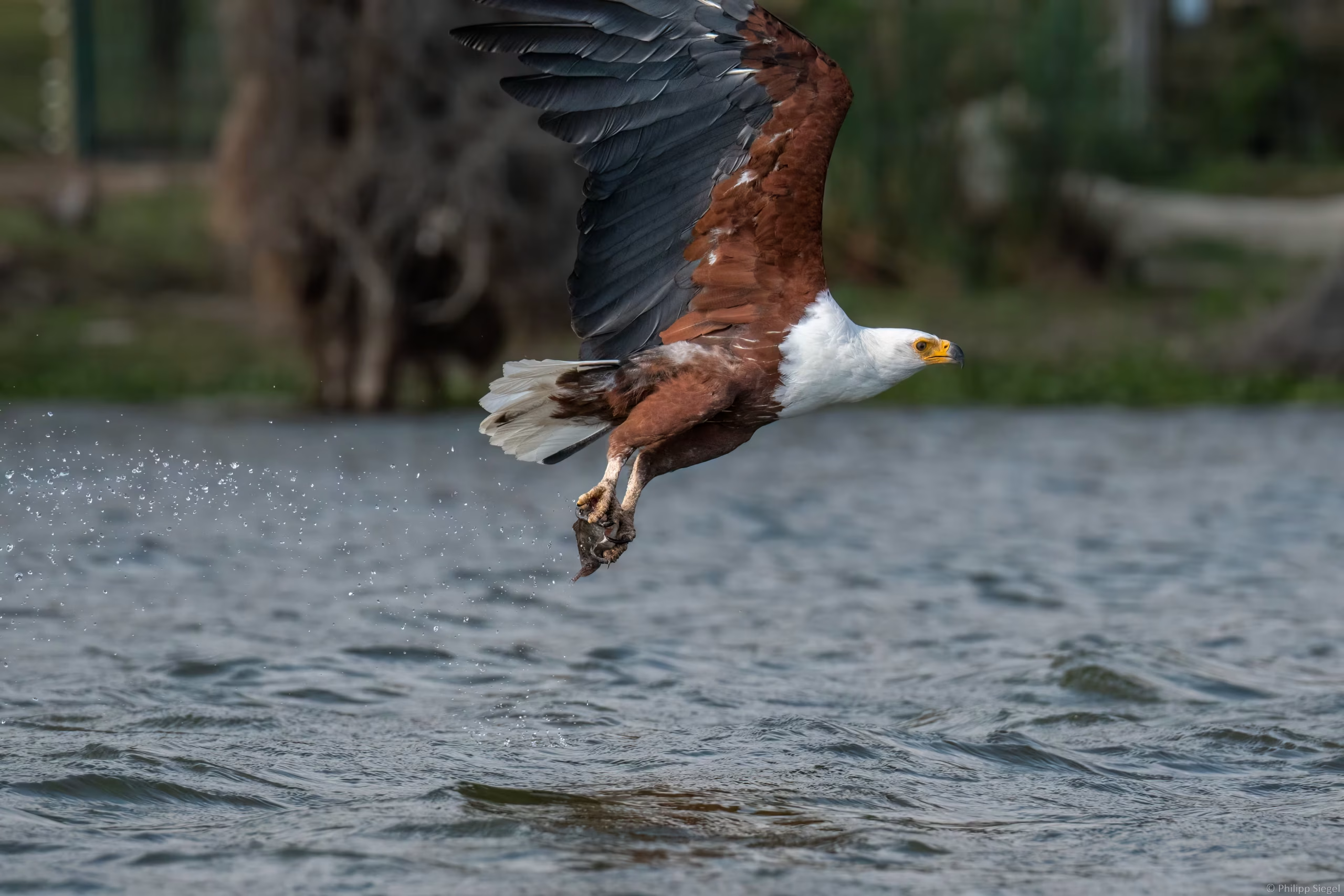
The Rufiji River system is the park's wildlife magnet. Its channels and lakes are crowded with hippo and some of the largest crocodiles in Africa, and its banks draw elephant, buffalo, giraffe, zebra, impala and the elegant greater kudu and sable in the woodlands. The birdlife is exceptional — over 440 species — with the waterways alive with fish eagles, skimmers, herons, storks and colourful bee-eaters nesting in the sandy banks. Viewing this abundance from a boat, gliding silently among the wildlife at the water's edge, is the defining Nyerere experience and one of the finest in African safari.

03 When to go

The best time to visit.

Nyerere is at its best in the dry season, from June to October. As the landscape dries, wildlife concentrates along the Rufiji River and its lakes, the game viewing is at its easiest, and boating conditions are ideal. This is the peak season and when the park is most rewarding, with the added drama of animals drawn to the shrinking water.

The wet season, November to May — with a drier spell often around January and February — turns the park lush and green, brings newborn animals and superb birding as migratory species arrive, and swells the Rufiji for excellent boating, though heavy rains in March to May make some areas inaccessible and a number of camps close. The scenery is beautiful in the green months. For the classic combination of concentrated wildlife and boat safaris, the dry season is the clear choice.

Elephants drinking at the Rufiji River - 2400x1350 Nyerere band - 2400x1350

One of Africa's largest protected wildernesses — the former Selous — where the Rufiji River brings boat safaris, walking and huge herds to the wild south.

04 The regions

Where to go, and when.

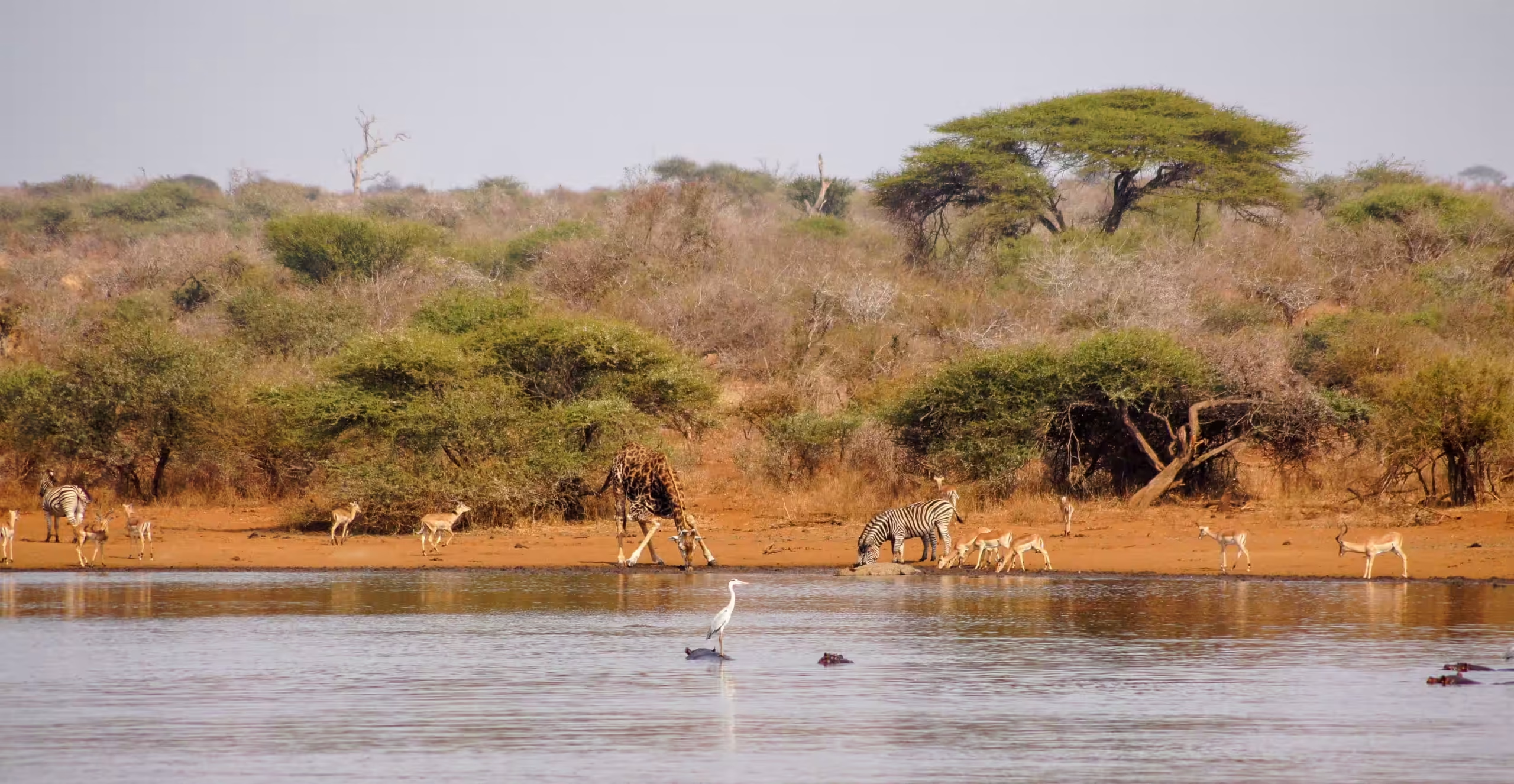
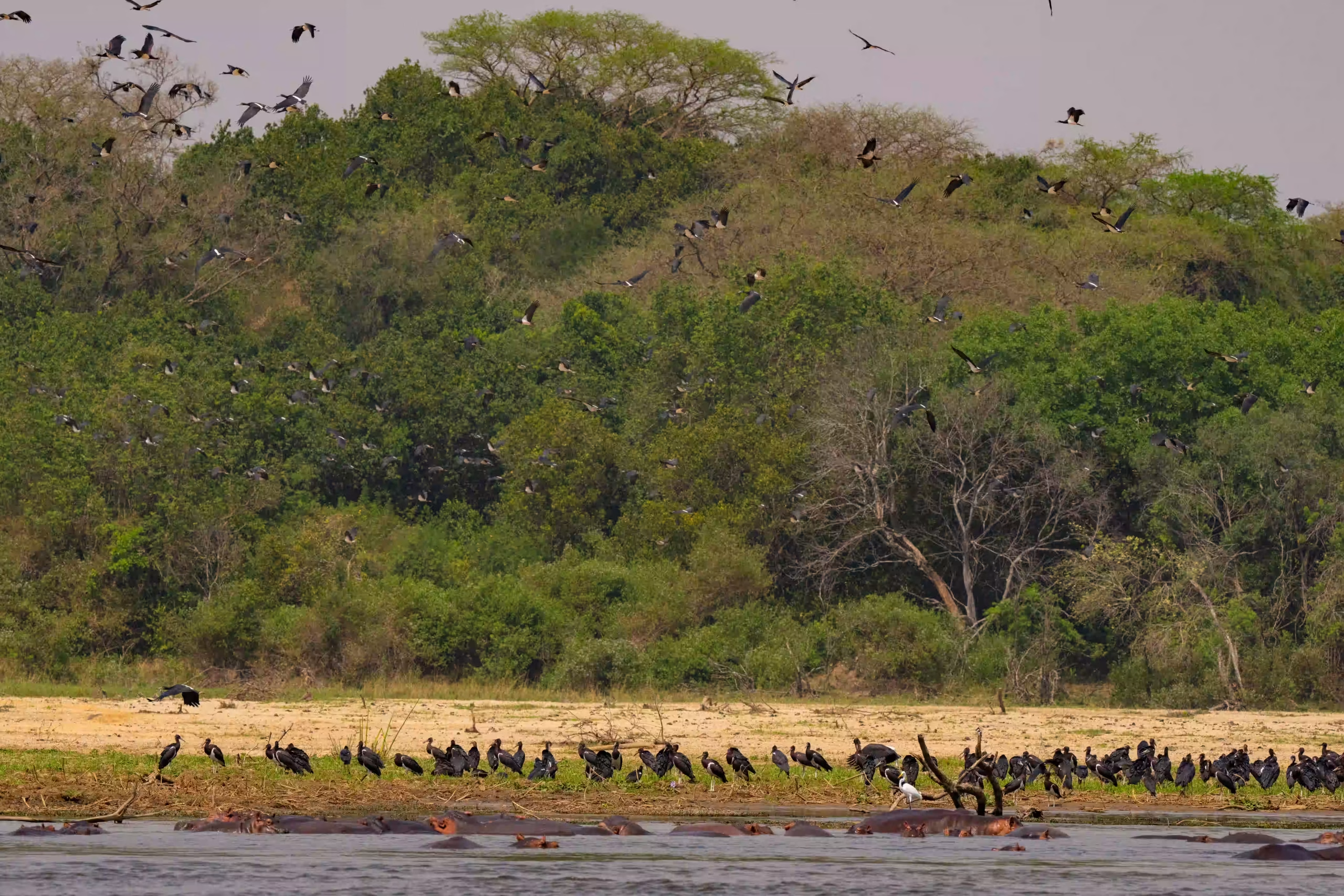
Nyerere's wildlife centres on its extraordinary water system. The Rufiji River is the park's lifeblood, a broad, braided river that is the setting for boat safaris and along which much of the wildlife gathers. The connected lakes — Tagalala, Manze, Nzerakera and others — form a chain of channels and lagoons crowded with hippo, crocodile and waterbirds, and are the heart of the boating experience. The woodlands and grasslands away from the water hold the park's sable, kudu, wild dog and roaming elephant. And far to the south lies the vast, largely inaccessible wilderness of the former Selous, some of it now a separate reserve, stretching away almost untouched.
The Rufiji River - Nyerere National Park - 1200x900Region - The Rufiji River - 1200x900

The Rufiji River

The park's lifeblood and the setting for its famous boat safaris, lined with wildlife.
The Lakes - Nyerere National Park - 1200x900Region - The Lakes - 1200x900

The Lakes

A chain of channels and lagoons — Tagalala, Manze and more — crowded with hippo and birds.
The Woodlands - Nyerere National Park - 1200x900Region - The Woodlands - 1200x900

The Woodlands

Grassland and woodland away from the water, holding sable, kudu, wild dog and elephant.
The Selous Wilderness - Nyerere National Park - 1200x900Region - The Selous Wilderness - 1200x900

The Selous Wilderness

The vast, largely untouched south, stretching away almost beyond reach.

05 Getting there

How to get there.

Nyerere is the most accessible of Tanzania's great southern-circuit parks, and most visitors fly in on the short hop from Dar es Salaam — a scenic flight of under an hour to one of several airstrips in the park. This ease of access, combined with its water-based safaris, makes Nyerere a popular first stop on a southern itinerary, often combined with Ruaha. Overland access is possible from Dar es Salaam in a long day's drive, and a railway line runs to the park's edge, but the great majority of travellers arrive by air. Its proximity to the coast also makes it an easy and rewarding add-on to a Zanzibar beach holiday.

07 The route

A sample Nyerere itinerary.

Day 01

Fly in to Nyerere

Fly the short hop from Dar es Salaam to Nyerere, meeting your guide for an afternoon boat safari on the Rufiji River among hippo, crocodile and drinking elephant.

Day 02

Boat & game drive

A day combining a morning boat safari on the lakes with an afternoon game drive — wild dog, lion and elephant along the water, and sable and kudu in the woodland.

Day 03

Walking safari

A guided walking safari through the bush, experiencing the wilderness on foot, followed by a sunset boat cruise on the Rufiji.

Day 04

Onward to Ruaha or the coast

Fly on to Ruaha for the deeper south, or back to Dar es Salaam and Zanzibar for a beach finish.

08 Questions

Nyerere safari questions.

Nyerere National Park is one of the largest parks in Africa, created in 2019 from the northern Selous Game Reserve in southern Tanzania. It is famous for boat safaris on the Rufiji River, walking safaris, huge elephant and wild dog populations, and a vast, uncrowded wilderness — the cornerstone of Tanzania's southern circuit.
The dry season (June–October) is best, when wildlife concentrates along the Rufiji River and lakes and boating conditions are ideal. The wet season (November–May) brings lush scenery and great birding, with a drier spell often in January–February, but heavy rains in March–May close some areas and camps.
Yes — boat safaris on the Rufiji River and its lakes are Nyerere's signature experience, and among the best in Tanzania. Drifting past hippo, crocodile, drinking elephant and abundant birdlife, viewing wildlife from the water rather than a vehicle, is what sets the park apart. Walking safaris are also permitted.
Most visitors fly the short hop from Dar es Salaam — under an hour to airstrips in the park — making Nyerere the most accessible of the great southern parks. Overland access is possible in a long day's drive, and its proximity to the coast makes it an easy add-on to a Zanzibar beach holiday.
Nyerere National Park was created in 2019 from the northern part of the former Selous Game Reserve — the richest, most wildlife-dense section along the Rufiji River. The name honours Tanzania's founding president. The southern part of the old Selous remains a separate reserve. Many still refer to the area as the Selous.
Nyerere has lion, leopard, elephant and buffalo in strong numbers; rhino survive in very small numbers but are rarely seen, so it is not a reliable Big Five park. Its real draws are boat safaris, one of Africa's largest wild dog populations, huge elephant herds and its vast wilderness.

Ready to see Nyerere?

Tell us how you want to travel and a guide in Arusha will build you a route - within 24 hours, from a person, not a brochure.

Loading itinerary…
Saved Trips