Nara Tanzania Safaris

Usa River, Arusha · Tanzania +255 652 135 520 info@naratanzaniasafaris.co.tz

NaraTanzania Safaris Plan your safari
Ngorongoro Crater - 2400x1500 Ngorongoro Crater hero - 2400x1500

Ngorongoro Crater

The world's largest intact volcanic caldera — a natural amphitheatre holding some of the densest wildlife in Africa.
260 km²Crater floor600 mCrater walls25,000+Large animals

01 The place

Ngorongoro Crater, in short.

The Ngorongoro Crater is one of the most extraordinary places in Africa. Formed when a giant volcano exploded and collapsed on itself some two to three million years ago, it is the largest intact, unflooded volcanic caldera on earth — 260 square kilometres of grassland, swamp, forest and soda lake, ringed by walls that rise 600 metres on every side. From the rim the floor below looks like a lost world, and driving down into it feels like entering a natural amphitheatre built for wildlife.

The crater sits within the Ngorongoro Conservation Area, a UNESCO World Heritage Site of over 8,000 square kilometres in the highlands between the Serengeti and the Great Rift Valley. Unusually, this is a place where wildlife and people share the land: Maasai pastoralists graze their cattle on the crater rim and across the conservation area, living alongside lion, elephant and buffalo much as they have for generations. It is one of the few protected areas in Africa designed for exactly this coexistence.

02 The wildlife

The wildlife.

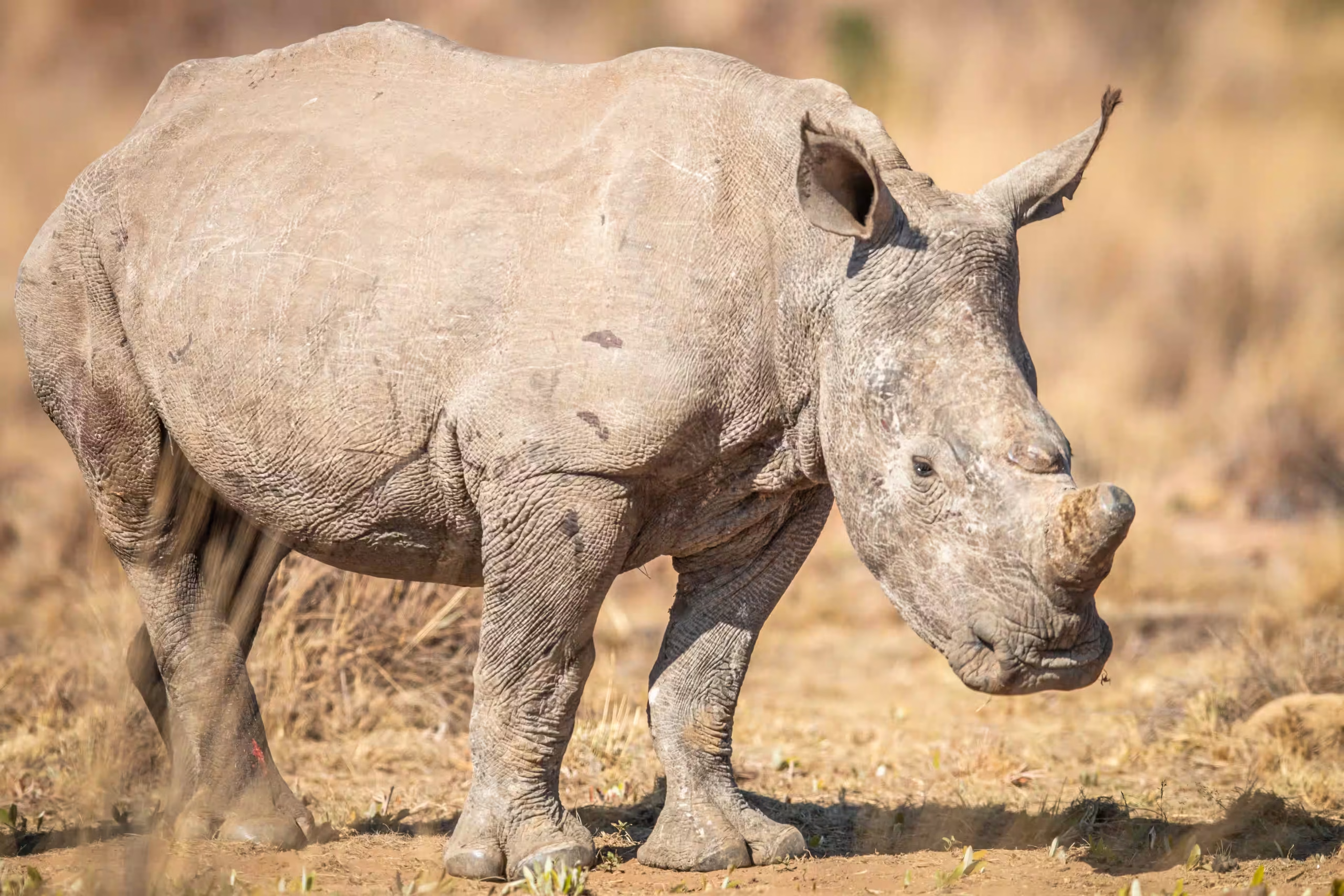
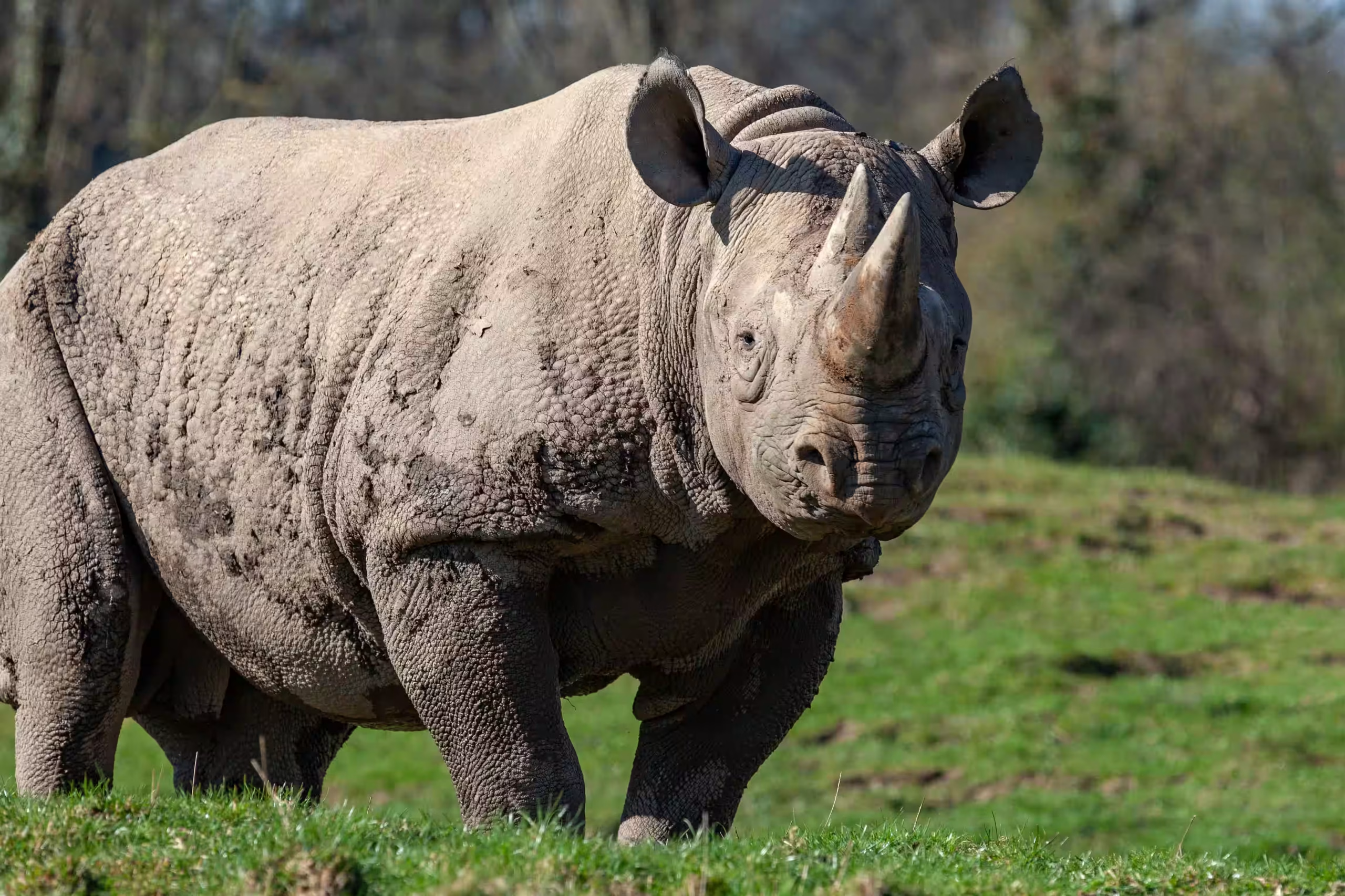
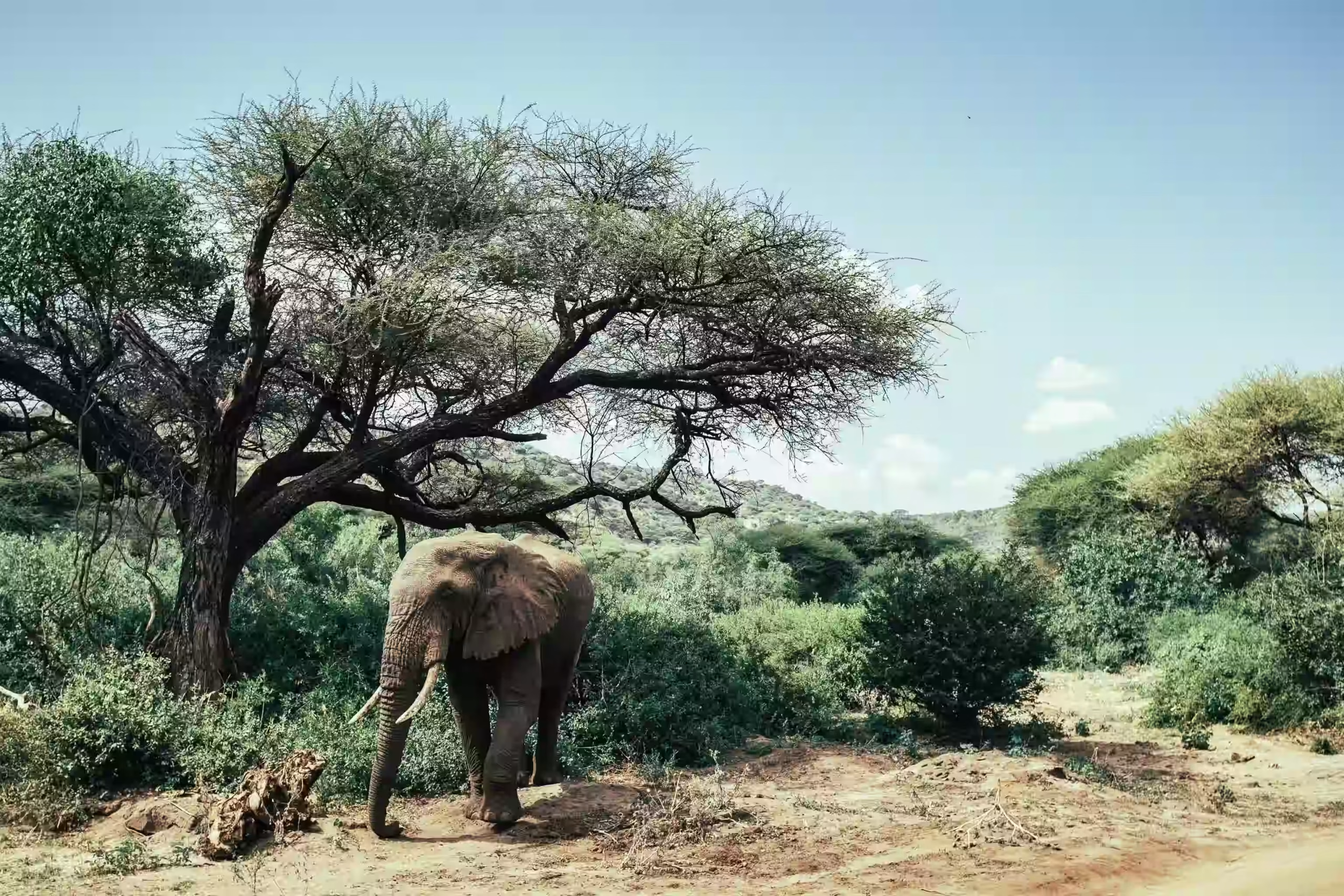
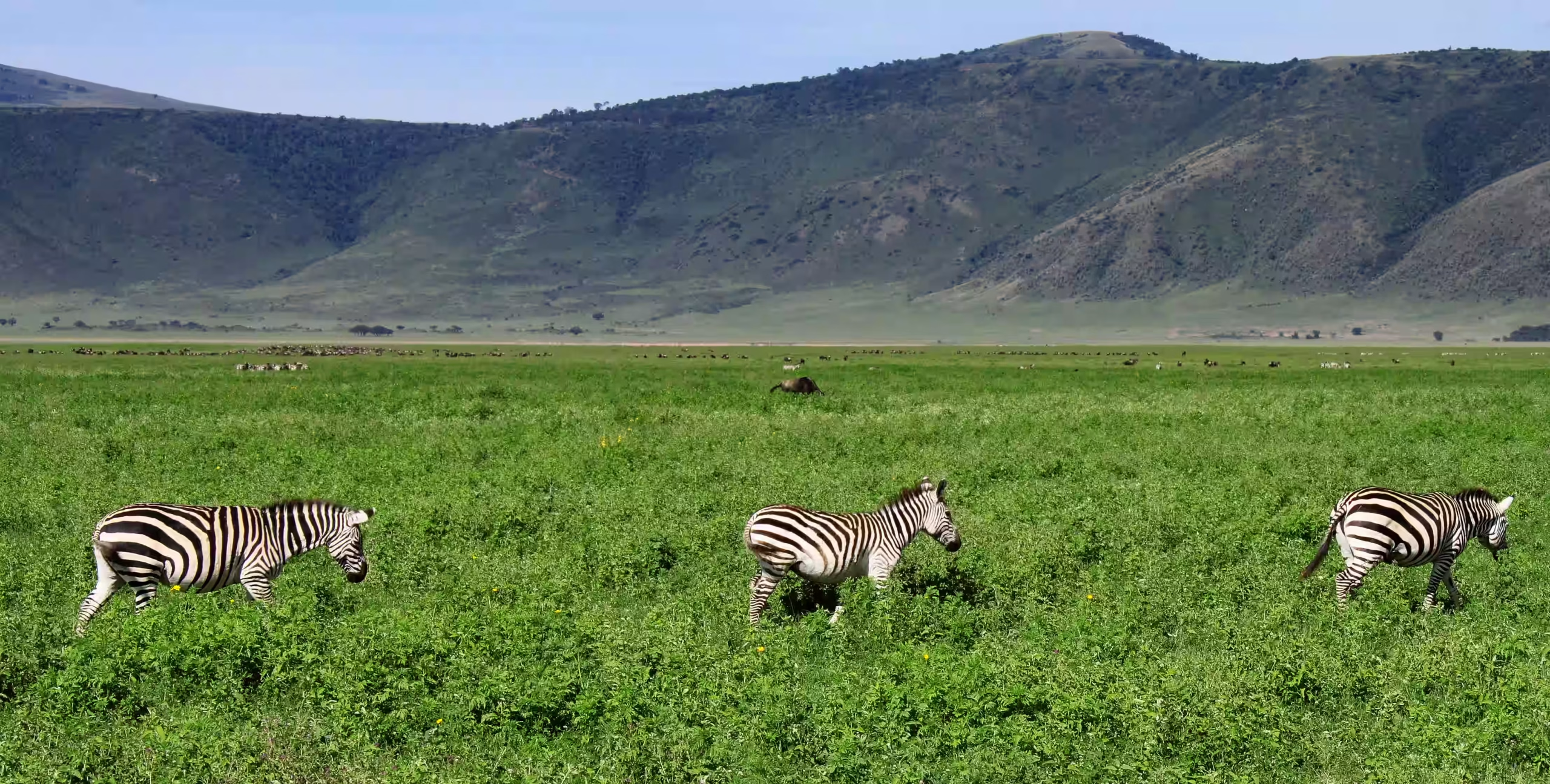
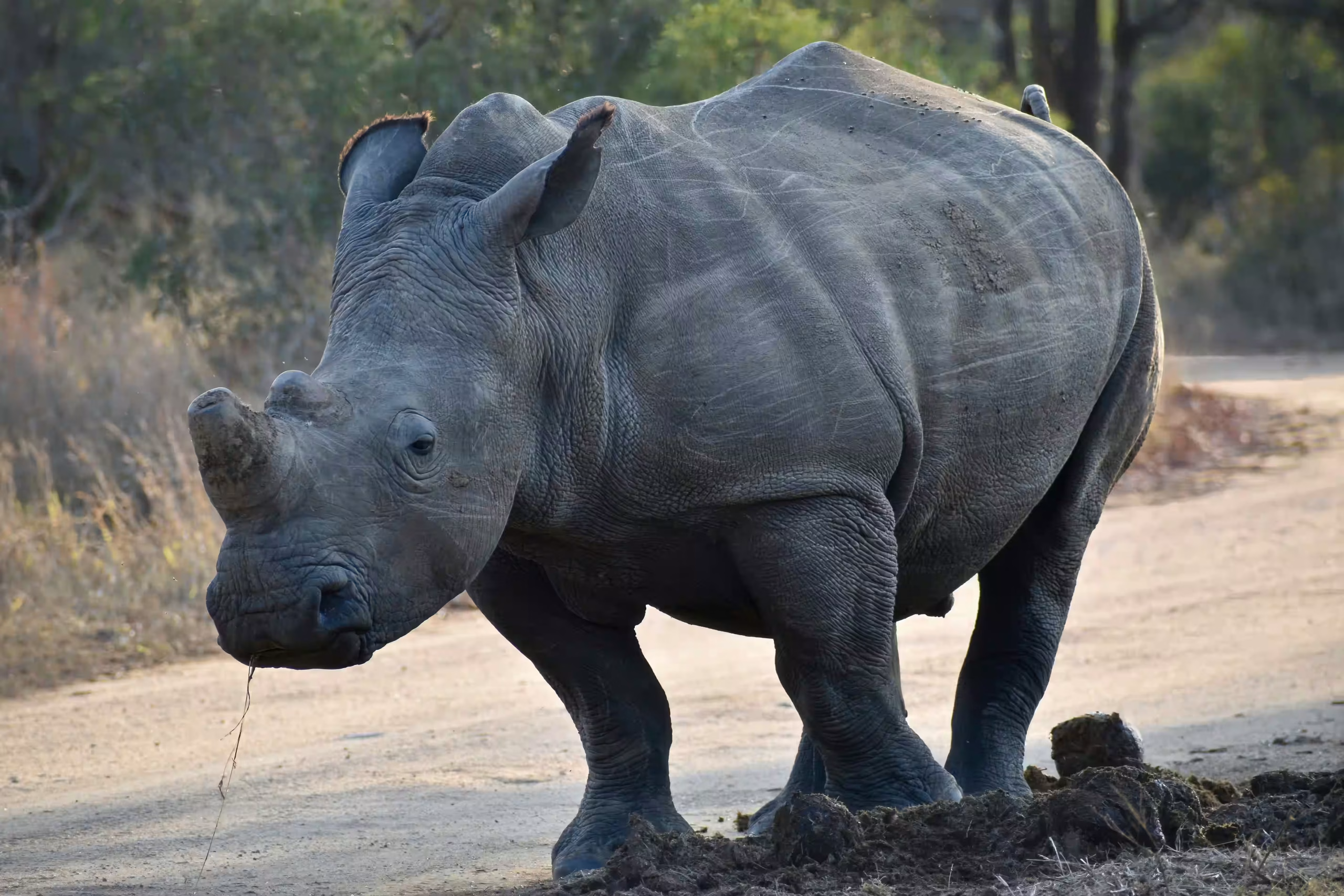
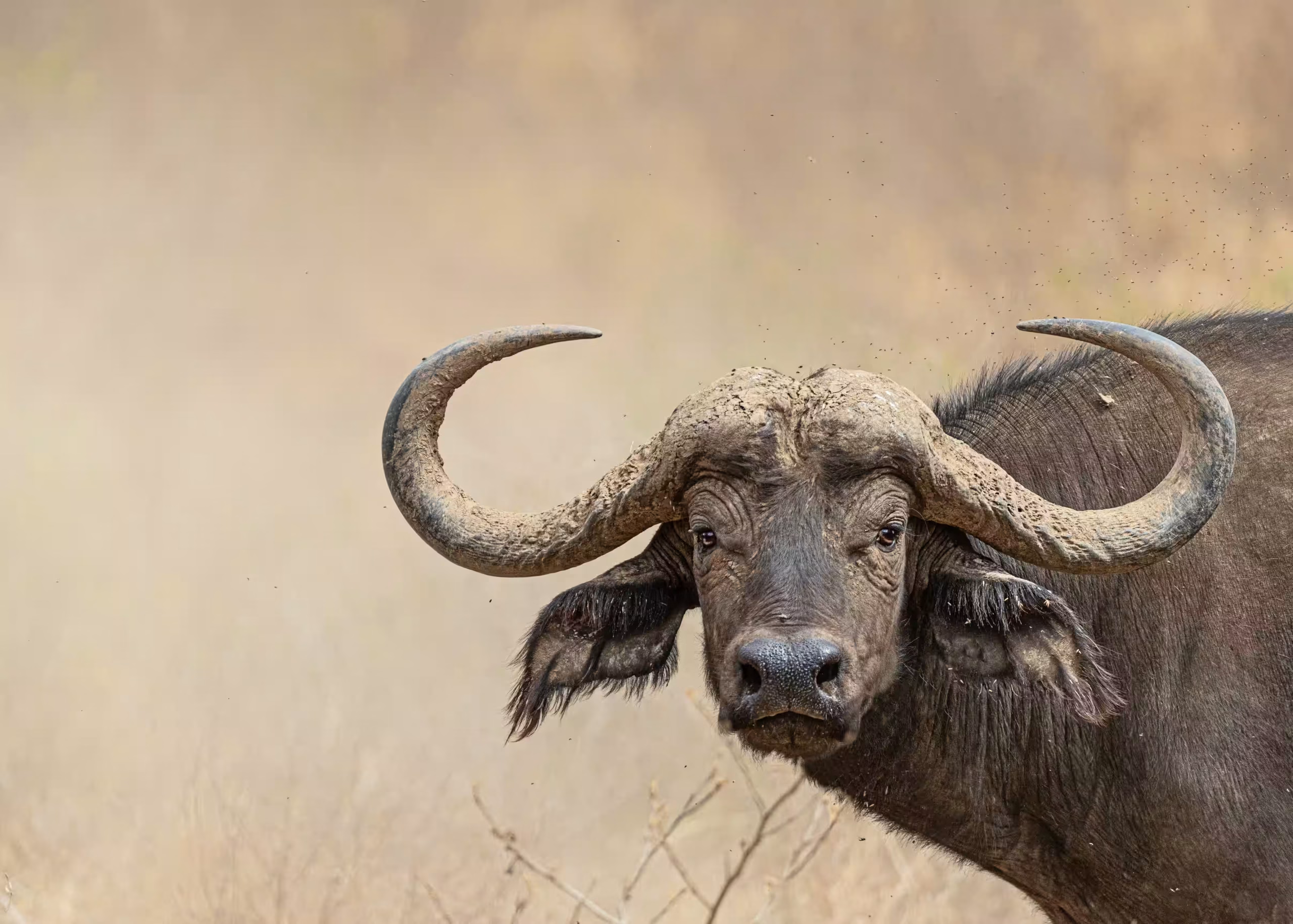
The crater floor holds an estimated 25,000 large animals, and its density of wildlife is among the highest anywhere on the continent. It is one of the best places in Africa to see the Big Five in a single game drive. The crater is home to a healthy population of the critically endangered black rhino — one of the few places in Tanzania where sighting one is genuinely likely — alongside large numbers of lion, elephant, buffalo, and the leopards of the surrounding forests.

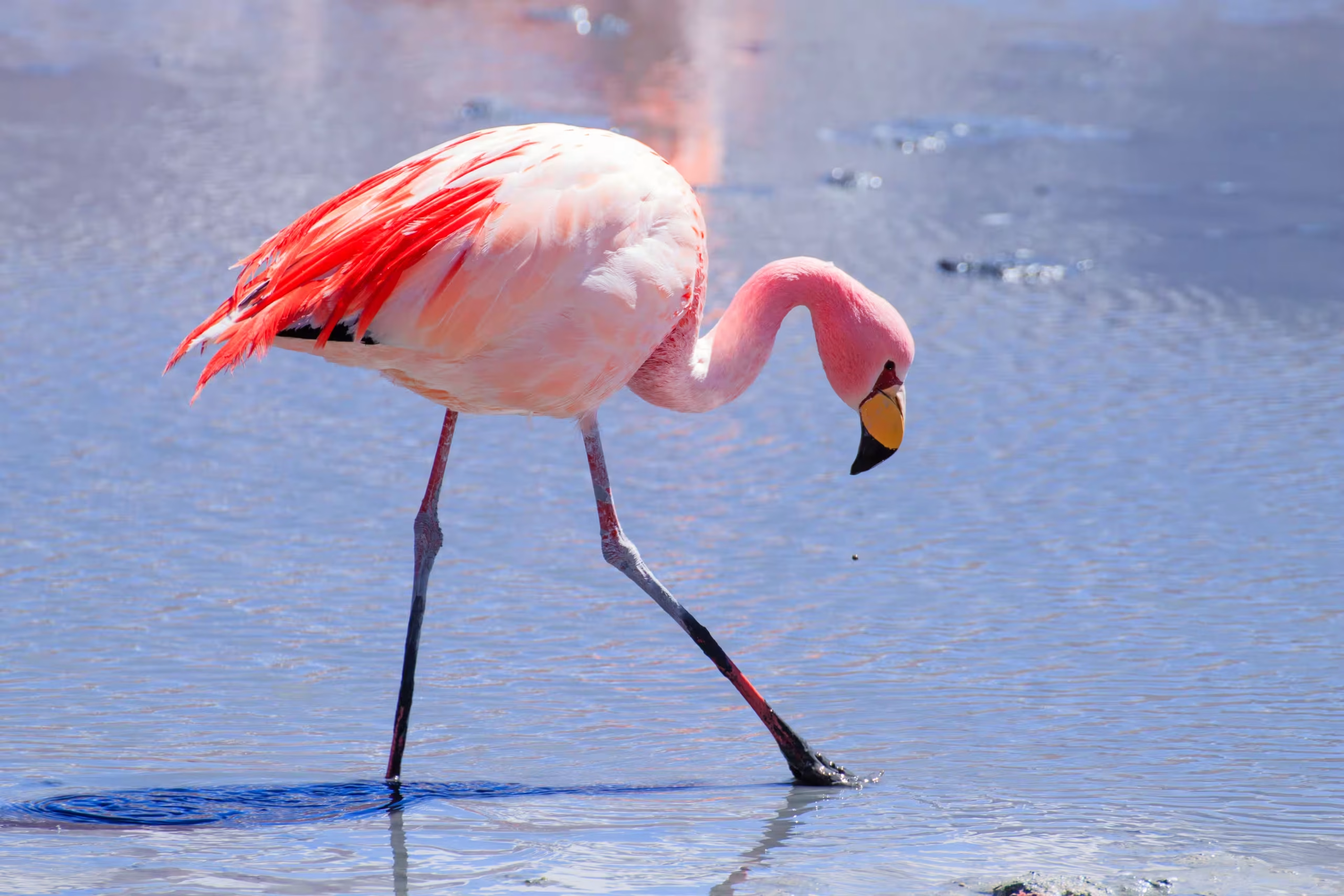
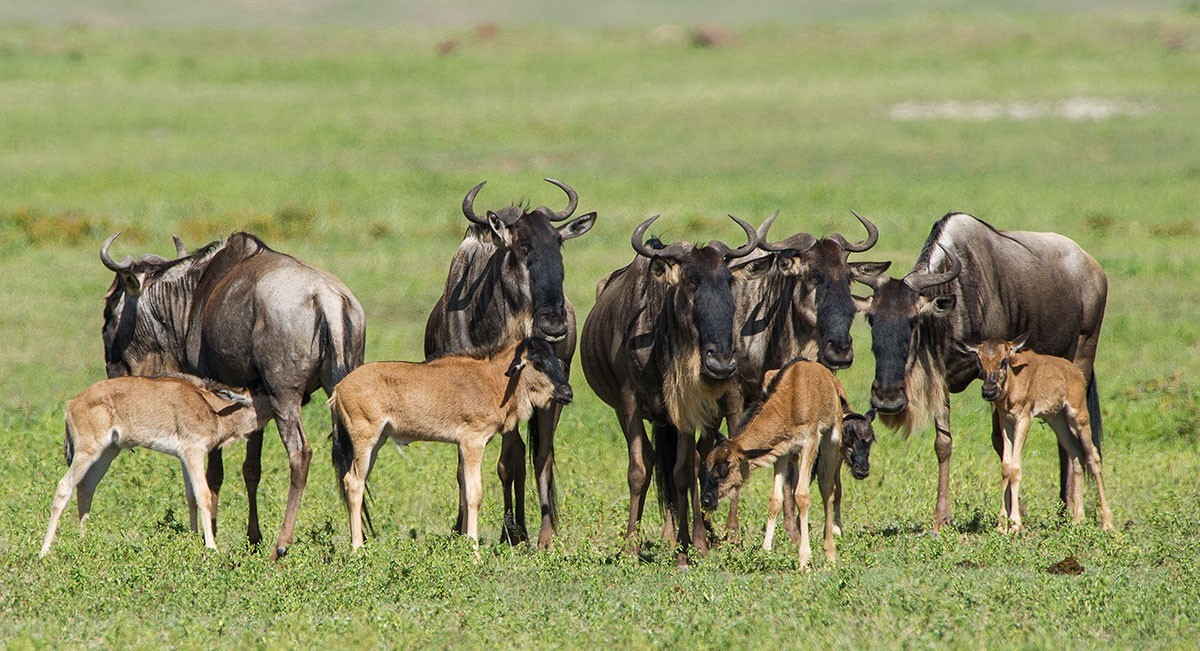
Because the crater walls act as a natural enclosure, much of the wildlife is resident year-round rather than migratory, which makes for reliable, concentrated game viewing in every season. The soda lake at the crater's centre, Lake Magadi, draws flamingos in shifting pink drifts. Golden jackal, spotted hyena, serval, and huge herds of zebra and wildebeest fill the grassland, and the swamps hold hippo and abundant birdlife. The one notable absence is the giraffe — the steep crater walls are too much for them to descend.

03 When to go

The best time to visit.

The Ngorongoro Crater rewards visitors year-round, because its wildlife is largely resident and does not migrate away with the seasons. That said, the dry season from June to October offers the easiest game viewing and the most comfortable conditions on the crater floor, and it is the most popular time to visit.

The green season, November to May, brings lush scenery, newborn animals and excellent birding as migratory species arrive, though afternoon rain is common and the descent roads can be slippery. Mornings are the best time to be on the crater floor in any season — the light is beautiful, predators are active, and you beat the midday build-up of vehicles. Because access is tightly managed and vehicle numbers controlled, an early start makes a real difference to the experience.

A black rhino grazing on the crater floor - 2400x1350 Ngorongoro Crater band - 2400x1350

The world's largest intact volcanic caldera — a natural amphitheatre holding some of the densest wildlife in Africa.

04 The regions

Where to go, and when.

The Ngorongoro Conservation Area offers far more than the crater alone. The crater floor itself is the centrepiece, reached by a steep descent road for a half-day of concentrated game viewing. The crater rim, where most lodges sit, offers spectacular views down into the caldera and cool highland air. Beyond the crater, the Empakaai and Olmoti craters reward walkers with rim hikes, a crater lake and waterfalls, far from the crowds. To the north-west lies Olduvai Gorge, one of the most important paleoanthropological sites in the world, where the Leakeys uncovered some of the earliest known human remains — a worthwhile stop on the way to or from the Serengeti.

The Crater Floor - Ngorongoro Crater - 1200x900Region - The Crater Floor - 1200x900

The Crater Floor

260 km² of grassland, swamp and soda lake — reached by a steep descent for concentrated game viewing.
The Crater Rim - Ngorongoro Crater - 1200x900Region - The Crater Rim - 1200x900

The Crater Rim

Where the lodges sit, 600 m above the floor, with spectacular views and cool highland air.
Empakaai & Olmoti - Ngorongoro Crater - 1200x900Region - Empakaai & Olmoti - 1200x900

Empakaai & Olmoti

Quieter craters for rim hikes, a crater lake and waterfalls, away from the vehicles.
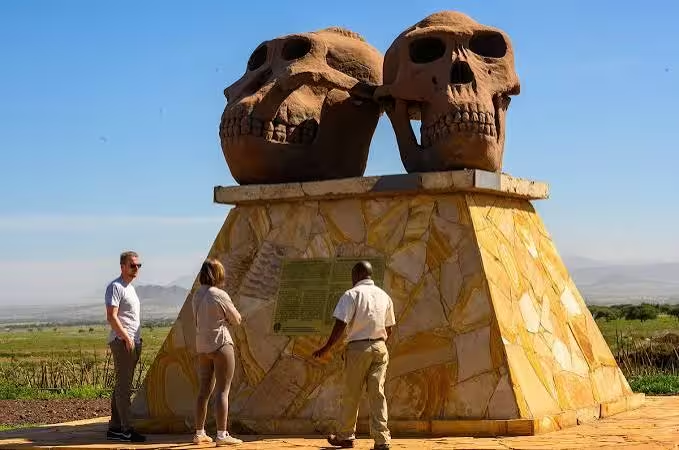
Olduvai Gorge - Ngorongoro Crater - 1200x900Region - Olduvai Gorge - 1200x900

Olduvai Gorge

The 'Cradle of Mankind' — one of the world's most important early-human sites, on the Serengeti road.

05 Getting there

How to get there.

The Ngorongoro Crater lies about 180 kilometres west of Arusha, a drive of three to four hours on good tarmac and then gravel as you climb into the highlands. It sits directly on the classic northern circuit route between Lake Manyara or Tarangire and the Serengeti, which is why almost every northern safari includes it. Most itineraries spend a night on the crater rim and descend to the floor for a morning or full-day game drive before continuing on. There is no airstrip on the crater itself, but Lake Manyara airstrip nearby connects it to the fly-in circuit for travellers combining the crater with the Serengeti by air.

07 The route

A sample Ngorongoro Crater itinerary.

Day 01

Arusha to the crater rim

Drive from Arusha through the highlands to a lodge on the Ngorongoro Crater rim, arriving for sunset views down into the caldera. An evening to acclimatise to the cool highland air.

Day 02

Crater floor game drive

An early descent to the crater floor for a full morning — or full day — of game viewing among the densest wildlife in Africa. Black rhino, lion, elephant and flamingo-lined Lake Magadi. Picnic lunch on the floor.

Day 03

Empakaai or Olduvai

Choose a rim hike into the quieter Empakaai Crater, or visit Olduvai Gorge and its museum on the way toward the Serengeti.

Day 04

Onward to the Serengeti

Continue west into the Serengeti to follow the migration, or return to Arusha to conclude your safari.

08 Questions

Ngorongoro Crater safari questions.

The crater is excellent year-round because its wildlife is resident and does not migrate. The dry season (June–October) offers the easiest game viewing and most comfortable conditions, while the green season (November–May) brings lush scenery, newborns and good birding. Early mornings are best in any season.
Yes — the Ngorongoro Crater is one of the best places in Africa to see all of the Big Five in a single game drive. It has a healthy black rhino population, one of the few places in Tanzania where a sighting is genuinely likely, alongside lion, elephant, buffalo and leopard.
The crater walls rise about 600 metres (2,000 feet) above the floor, which covers roughly 260 square kilometres. It is the largest intact, unflooded volcanic caldera in the world, formed when a giant volcano collapsed two to three million years ago.
One full day on the crater floor is enough to experience its wildlife, usually as part of a longer northern-circuit safari. Many travellers spend one or two nights on the rim and combine the crater with Tarangire, Lake Manyara and the Serengeti over a week.
The crater is about 180 kilometres from Arusha, a three-to-four-hour drive on the classic northern-circuit route. It sits between Lake Manyara/Tarangire and the Serengeti, so almost every northern safari includes it. Fly-in visitors use the nearby Lake Manyara airstrip.
Giraffes are one of the few large animals absent from the crater floor. The steep, 600-metre crater walls are too difficult for them to descend, so while giraffes live in the surrounding conservation area, they do not inhabit the crater itself.

Ready to see Ngorongoro Crater?

Tell us how you want to travel and a guide in Arusha will build you a route - within 24 hours, from a person, not a brochure.

Loading itinerary…
Saved Trips