Nara Tanzania Safaris

Usa River, Arusha · Tanzania +255 652 135 520 info@naratanzaniasafaris.co.tz

NaraTanzania Safaris Plan your safari
Pemba Island - 2400x1500 Pemba Island hero - 2400x1500

Pemba Island

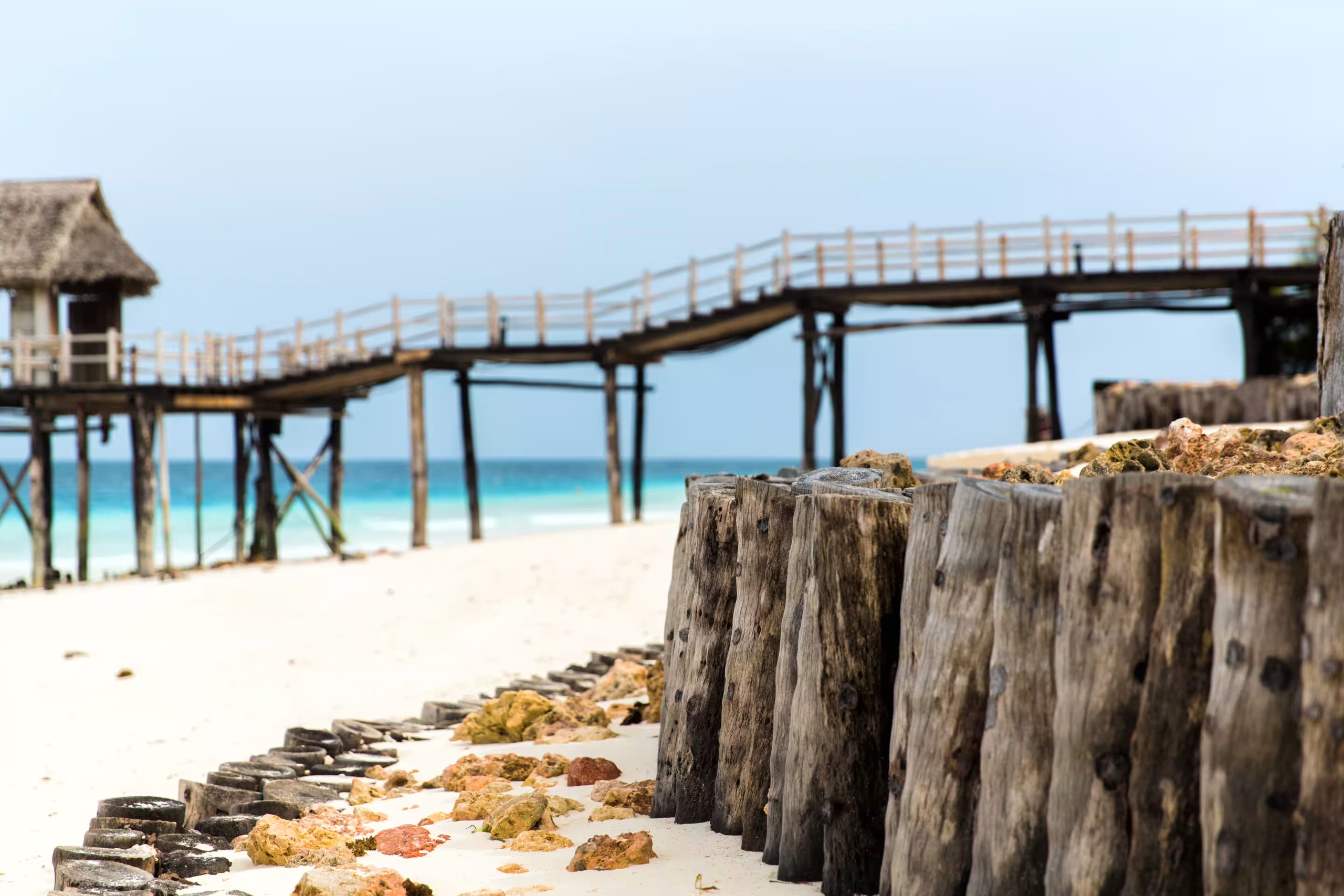
Zanzibar's lush, untouched sister island — hilly and green, cloaked in clove plantations, and ringed by some of the finest diving in the Indian Ocean.
Green IslandZanzibar’s sister isleWorld-classWall divingCloves& untouched forest

01 The place

Pemba Island, in short.

Pemba Island is Zanzibar's quieter, greener, less-visited sister — the northern island of the Zanzibar archipelago, and one of the best-kept secrets in the Indian Ocean. Where Unguja (the main island most people call Zanzibar) is flat and increasingly developed, Pemba is hilly, densely vegetated and profoundly untouched: a rolling landscape of clove plantations, forest and rice paddies, fringed by mangroves and reefs, with only a handful of places to stay. For travellers seeking beauty, seclusion and a sense of a coast before the crowds, Pemba is a revelation.

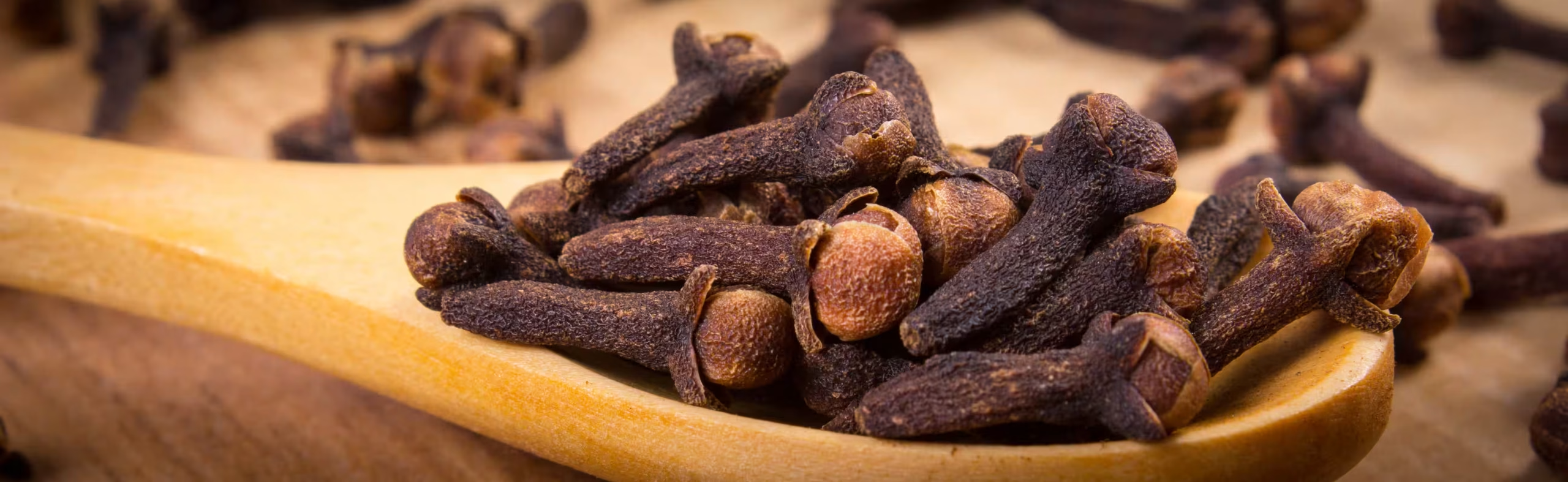
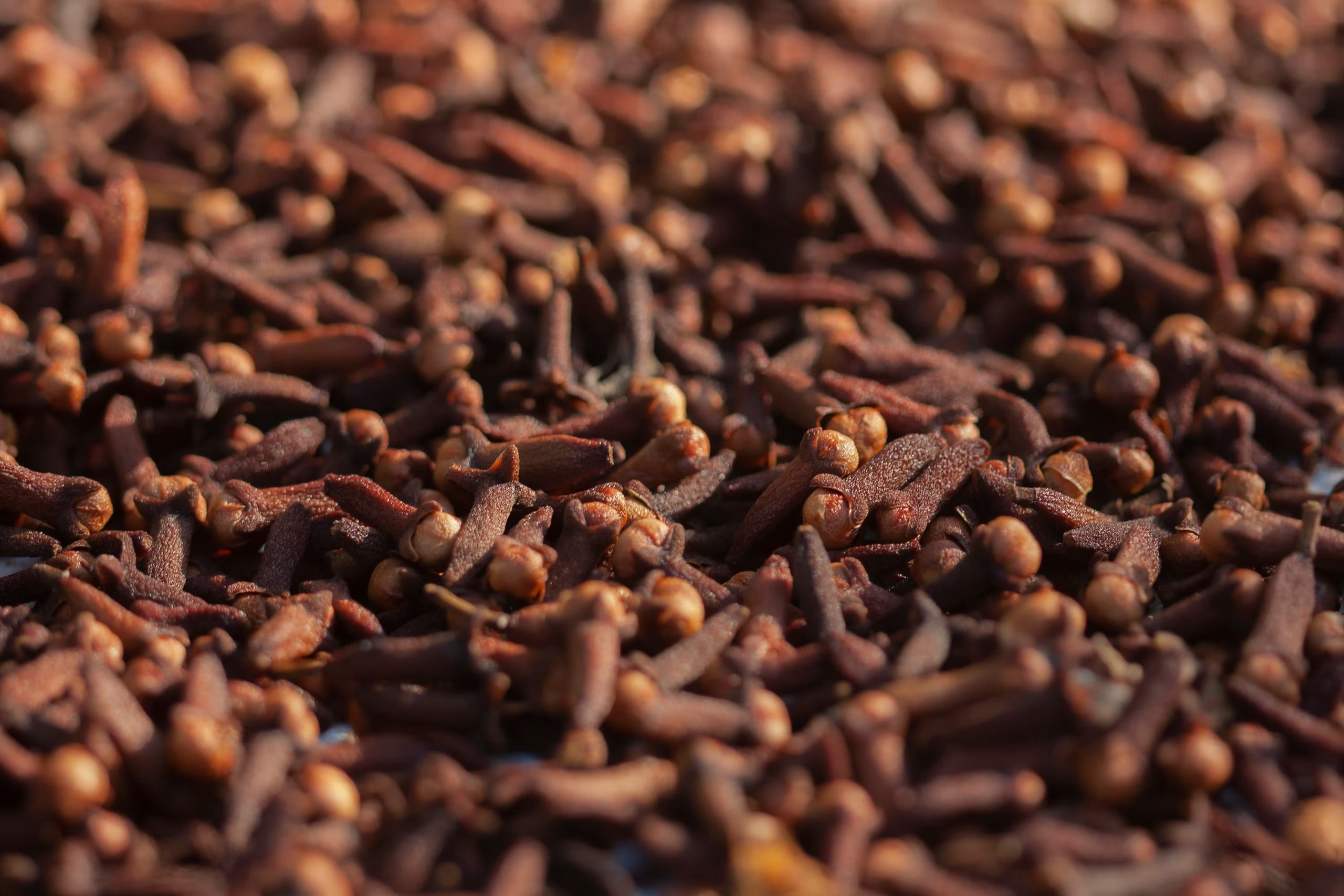
Historically Pemba was the wealthier of the two islands, its rich soil making it the heart of Zanzibar's clove industry — it still produces the majority of the archipelago's cloves, and the scent hangs in the air at harvest time. The island retains a deeply traditional character, known within the region for its herbal medicine and traditional healers. But Pemba's greatest fame today is beneath the water: its reefs, steep drop-offs and channels offer some of the most spectacular and pristine diving in East Africa, drawing divers who want walls, clear water and abundant marine life far from any crowd.

02 The coast

Nature & the sea.

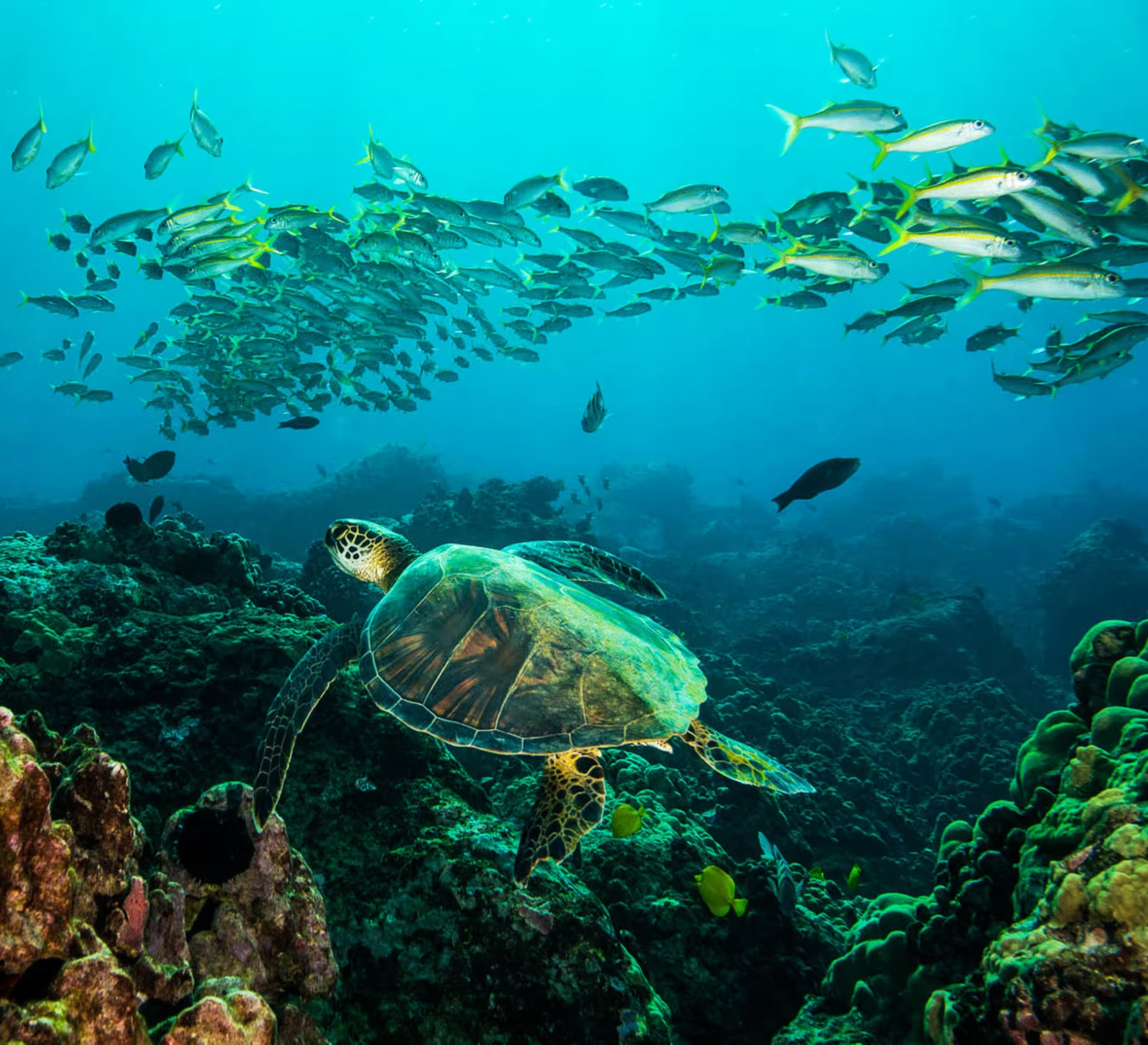
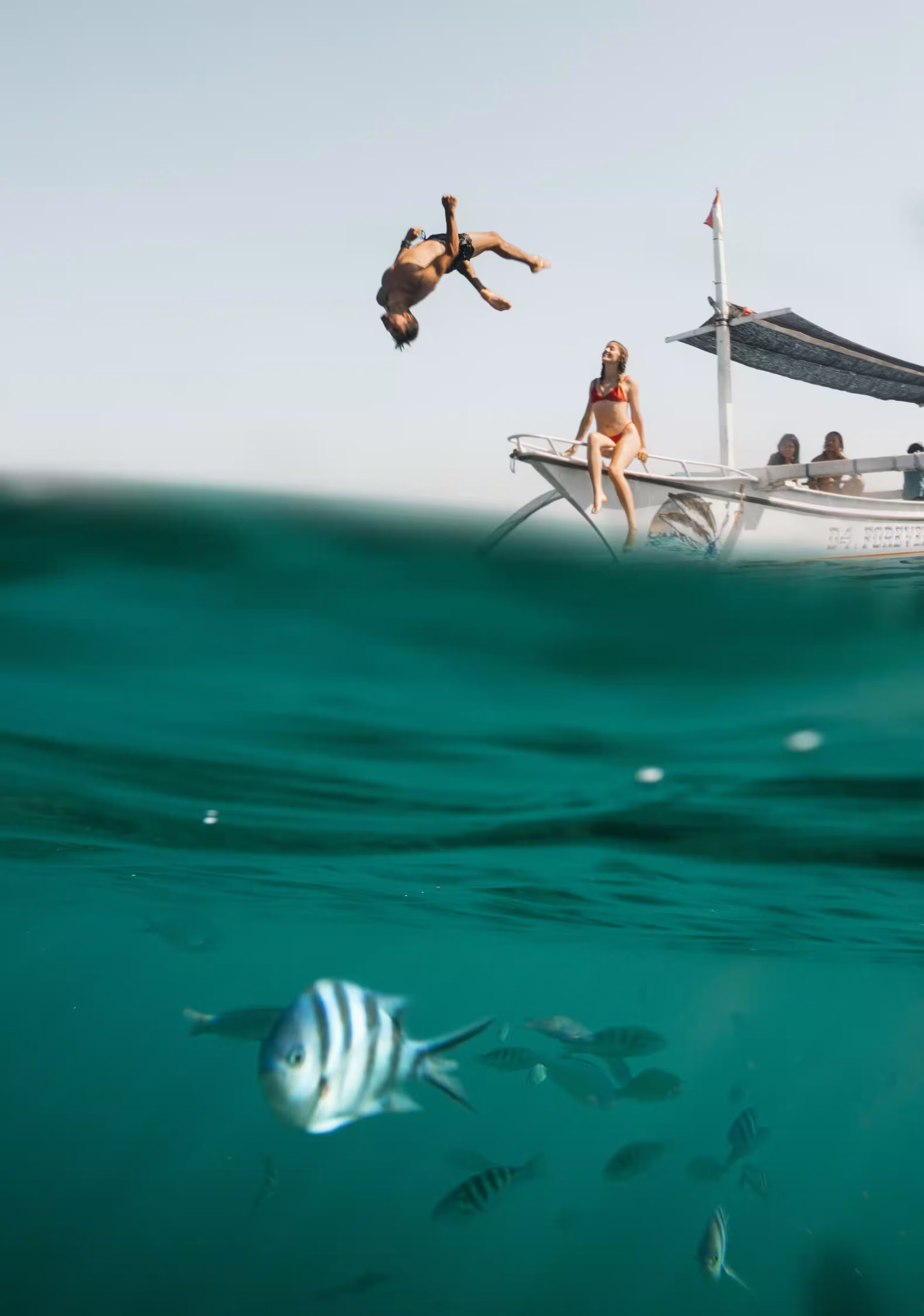
Pemba's wildlife, like Zanzibar's, is richest beneath the sea, and here it is exceptional. The island's position, separated from the mainland by a deep channel, gives it steep coral walls and drop-offs that plunge into clear blue water, cloaked in soft corals and sea fans and patrolled by large fish, reef sharks, turtles, rays and vast schools of fish. Sites like Misali Island and the northern reefs are considered among the finest dives in the Indian Ocean, and because so few divers visit, the reefs are pristine and the experience uncrowded.

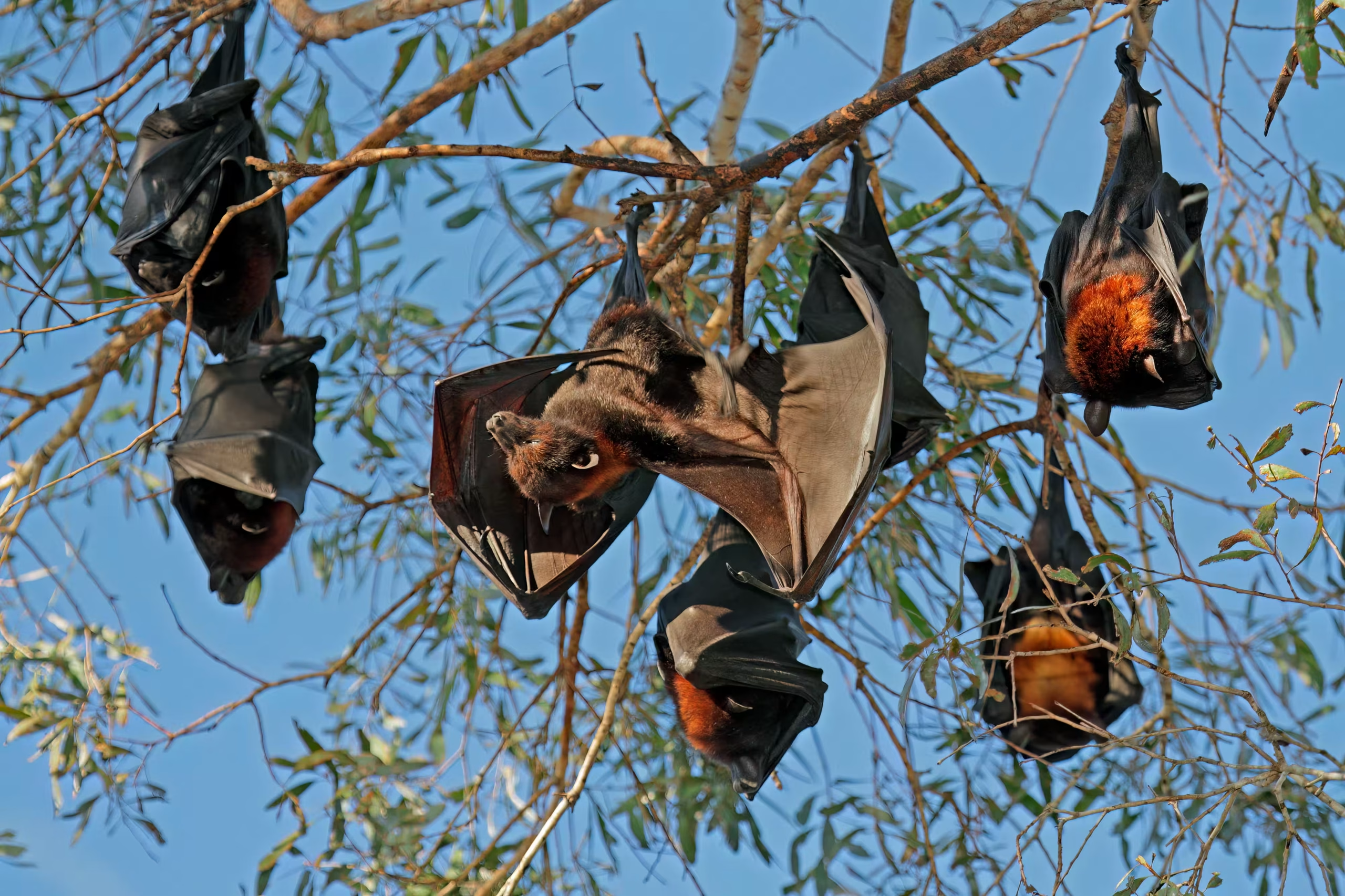
On land, Pemba's lush forests hold their own treasures. The island is home to the endemic Pemba flying fox, a large and spectacular fruit bat found nowhere else, which roosts in colonies in the forests. The Pemba scops owl and several other birds are also endemic, making the island a draw for keen birders. The mangrove-fringed Misali Island, part of a marine conservation area, protects nesting turtles and rich birdlife alongside its reefs. Between its world-class diving, its endemic species and its untouched green landscape, Pemba offers a natural richness quite different from its famous sister.

03 When to go

The best time to visit.

Pemba is best visited in the dry seasons, when the diving conditions and beach weather are at their finest. June to October brings warm, dry, sunny days and excellent underwater visibility — the peak period, ideal for the island's world-class diving. December to February is hot and sunny, another prime window with superb visibility in the clear water.

The long rains from March to May are the wettest time, when the island is at its greenest and lushest but underwater visibility can drop and some places close, while the short rains around November bring brief showers. Pemba is greener and wetter than Unguja year-round, which is part of its lush character. For the best diving visibility and most reliable sunshine, the dry months are strongly preferred — and they conveniently coincide with the best season for a mainland safari, making Pemba a superb, secluded add-on.

A steep coral wall dive with fish - 2400x1350 Pemba Island band - 2400x1350

Zanzibar's lush, untouched sister island — hilly and green, cloaked in clove plantations, and ringed by some of the finest diving in the Indian Ocean.

04 The regions

Around the island.

Pemba's appeal lies in its green interior and its spectacular coast. The hilly interior is a rolling patchwork of clove plantations, forest, rice paddies and traditional villages — deeply rural, intensely green, and the source of the island's famous cloves. The west coast and Misali Island hold the finest diving, with steep walls, pristine reefs and a protected marine conservation area rich in fish and turtles. The main town of Chake Chake sits mid-island, a low-key hub with the island's history and ruins nearby. And scattered around the coast are mangrove creeks, lagoons and a few secluded lodges, offering seclusion and access to the reefs that make Pemba a diver's dream.
The Green Interior - Pemba Island - 1200x900Region - The Green Interior - 1200x900

The Green Interior

Rolling clove plantations, forest and villages — deeply rural and the source of the island's cloves.

Misali & the West Coast - Pemba Island - 1200x900Region - Misali & the West Coast - 1200x900

Misali & the West Coast

The finest diving — steep walls, pristine reefs and a protected marine conservation area.
Chake Chake - Pemba Island - 1200x900Region - Chake Chake - 1200x900

Chake Chake

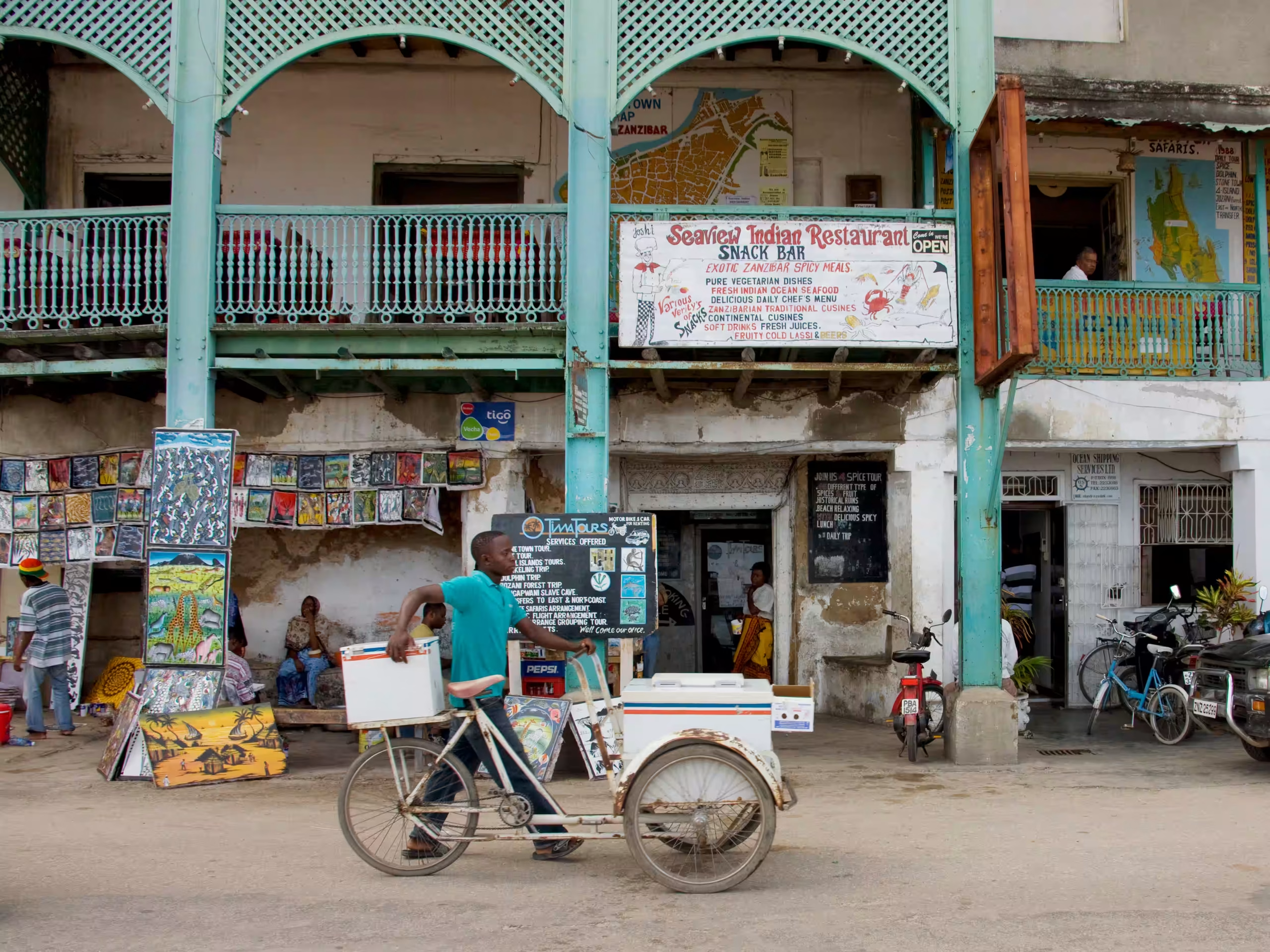
The island's low-key main town, with its history and ruins nearby.
Secluded Coast - Pemba Island - 1200x900Region - Secluded Coast - 1200x900

Secluded Coast

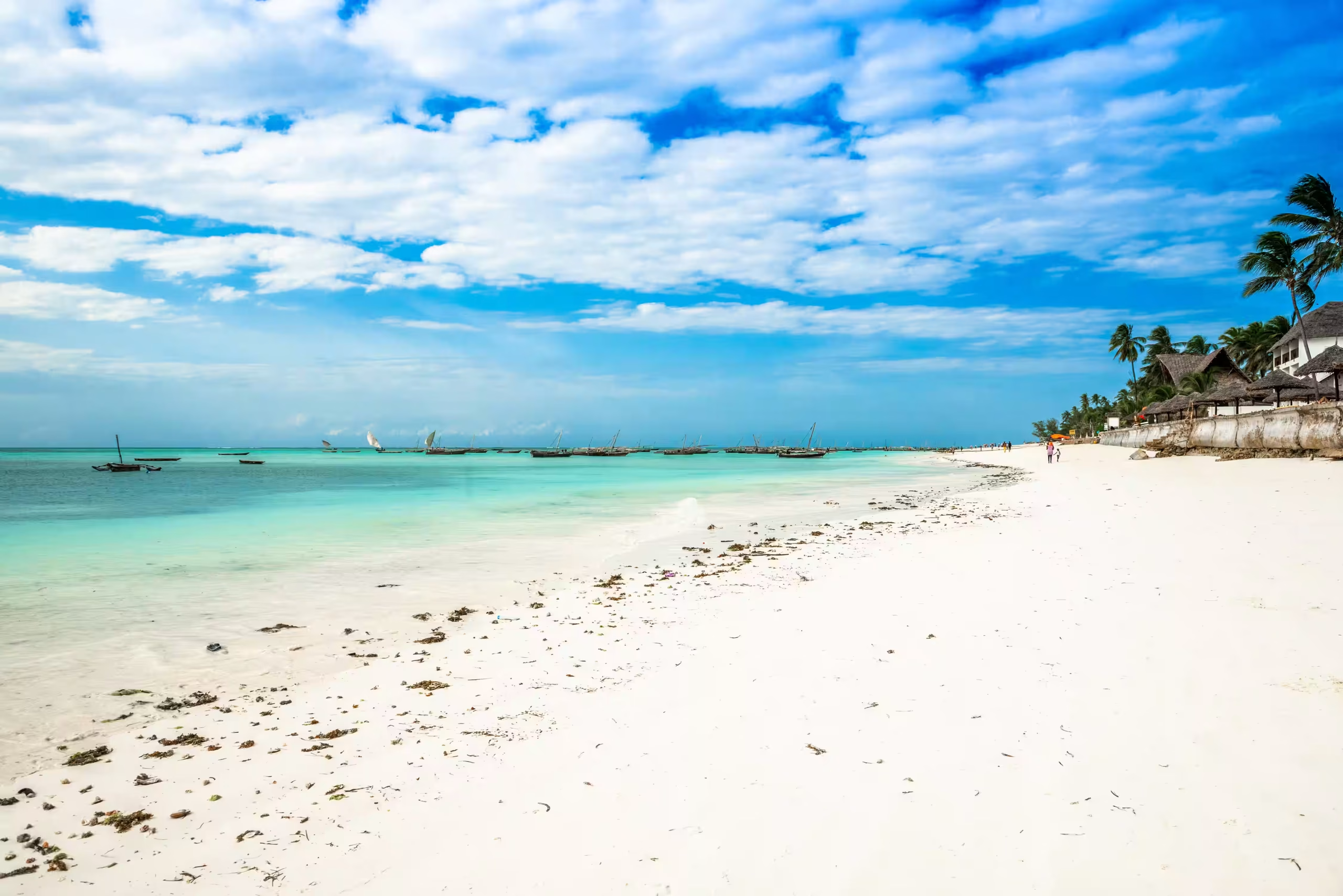
Mangrove creeks, quiet lagoons and a handful of lodges offering true seclusion.

05 Getting there

How to get there.

Pemba is more remote than its famous sister, which is part of its charm, but it remains reachable. Light aircraft fly to Pemba's airport at Chake Chake from Zanzibar's Stone Town (around 30 minutes) and from Dar es Salaam and, seasonally, the northern safari circuit, making the island an easy add-on by air. Ferries also connect Pemba to Unguja and the mainland, though the crossing is longer and less frequent than the short flight. Once on the island, its handful of lodges arrange transfers, and the quiet roads wind through the clove plantations between the coast and the interior. Pemba suits travellers happy to venture a little further for seclusion and superb diving.

07 The route

A sample Pemba Island few days.

Day 01

Fly in to Pemba

Fly the short hop from Zanzibar or Dar es Salaam to Pemba, transferring through the green clove country to a secluded coastal lodge.

Day 02

Wall diving at Misali

A day's diving on Pemba's spectacular reef walls and drop-offs around Misali Island — clear blue water, soft corals, turtles and abundant fish, with almost no other divers.

Day 03

Clove country & culture

A tour of the island's interior — the clove plantations, traditional villages and the town of Chake Chake — to experience Pemba's deeply rural, untouched character.

Day 04

Diving & relax

A final dive or snorkel on the pristine reefs, and time to enjoy the seclusion, before flying back to Zanzibar or onward.

08 Questions

Pemba Island travel questions.

Pemba is known as Zanzibar's lush, untouched sister island — hilly, densely green and cloaked in clove plantations, of which it is the archipelago's main producer. Its greatest fame is world-class wall diving on pristine, uncrowded reefs, and it is home to endemic species like the Pemba flying fox.
For serious divers, many rate Pemba above the main island. Its position beside a deep channel gives it steep coral walls and drop-offs into clear blue water, cloaked in soft corals and rich with marine life, and because so few divers visit, the reefs are pristine and uncrowded — among the finest diving in the Indian Ocean.
The dry seasons are best: June to October and December to February bring warm, sunny weather and excellent underwater visibility for diving. The long rains from March to May are the wettest, when the island is lushest but visibility can drop. The dry months conveniently coincide with the best safari season.
Light aircraft fly to Pemba from Zanzibar's Stone Town (around 30 minutes) and from Dar es Salaam and, seasonally, the safari circuit, making it an easy add-on by air. Ferries also connect Pemba to the main island and mainland, though the crossing is longer and less frequent than the short flight.
For travellers seeking seclusion, world-class diving and an untouched, deeply green island far from the crowds, absolutely. Pemba offers a coast before the crowds — pristine reefs, lush clove-scented landscapes, endemic wildlife and a traditional character — quite different from its more developed, more famous sister island.
The Pemba flying fox is a large, spectacular fruit bat found nowhere else on earth, endemic to Pemba Island. It roosts in colonies in the island's forests and, once endangered, has recovered through local conservation. It is one of several endemic species, alongside the Pemba scops owl, that make the island a draw for wildlife enthusiasts.

Ready to see Pemba Island?

Tell us how you want to travel and a guide in Arusha will build you a route - within 24 hours, from a person, not a brochure.

Loading itinerary…
Saved Trips