Nara Tanzania Safaris

Usa River, Arusha · Tanzania +255 652 135 520 info@naratanzaniasafaris.co.tz
NaraTanzania Safaris Plan your safari
Katavi National Park - 2400x1500 Katavi National Park hero - 2400x1500

Katavi National Park

Tanzania's remotest, most untouched park — vast floodplains, immense herds of buffalo, and hippo crowded by the hundred in shrinking rivers.

4,471 km²Park areaHundredsOf hippo per poolTrulyUntouched wilderness

01 The place

Katavi, in short.

Katavi National Park is the wildest and most remote of Tanzania's major parks — the third largest in the country, yet one of the least visited places of its size anywhere in Africa. Tucked away in the far south-west, far from any circuit, it receives only a handful of visitors a year, most of whom fly in specially. For those who make the journey, Katavi offers something increasingly rare: a genuinely untouched wilderness, where the wildlife spectacle unfolds with almost no human presence at all.

The park is built around seasonal floodplains — the Katisunga and Chada plains and the Katuma River that feeds them — which in the dry season stage one of the most concentrated wildlife dramas in Africa. As water vanishes from the wider landscape, animals crowd onto the shrinking river and remaining pools in extraordinary numbers. Katavi is not a place of gentle, manicured game drives; it is raw, seasonal and dramatic, a park for travellers who want wilderness at its most undiluted.

02 The wildlife

The wildlife.

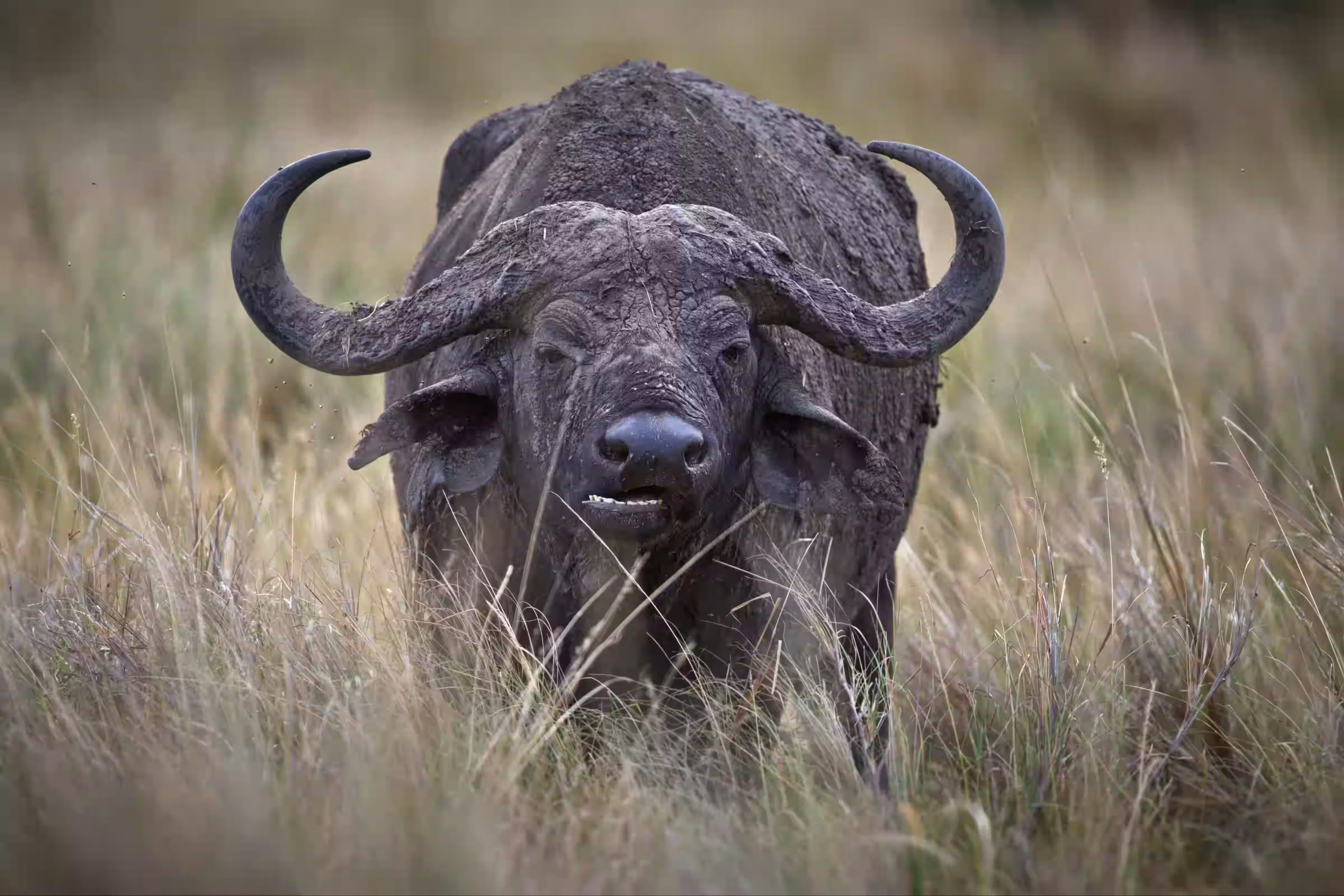
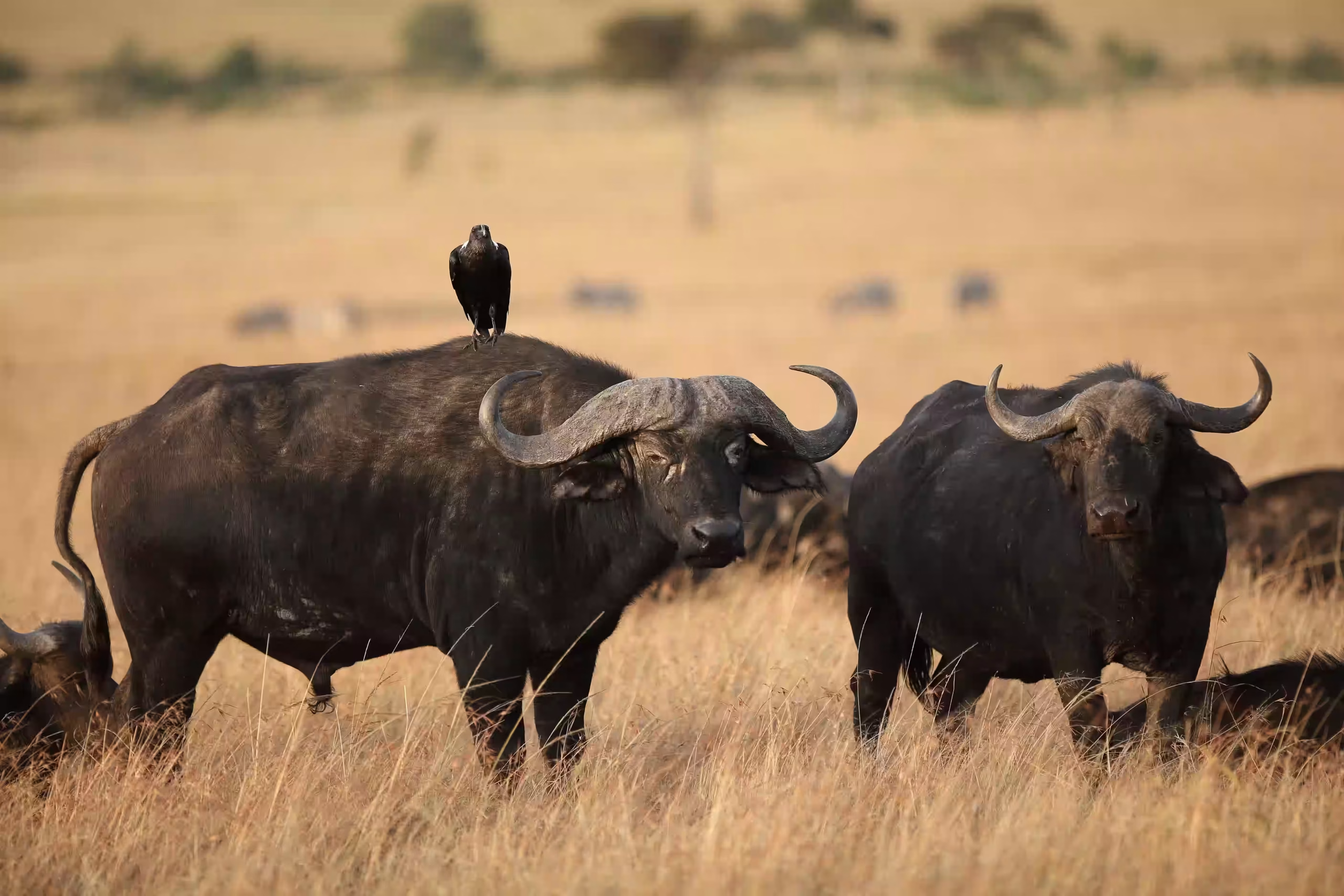
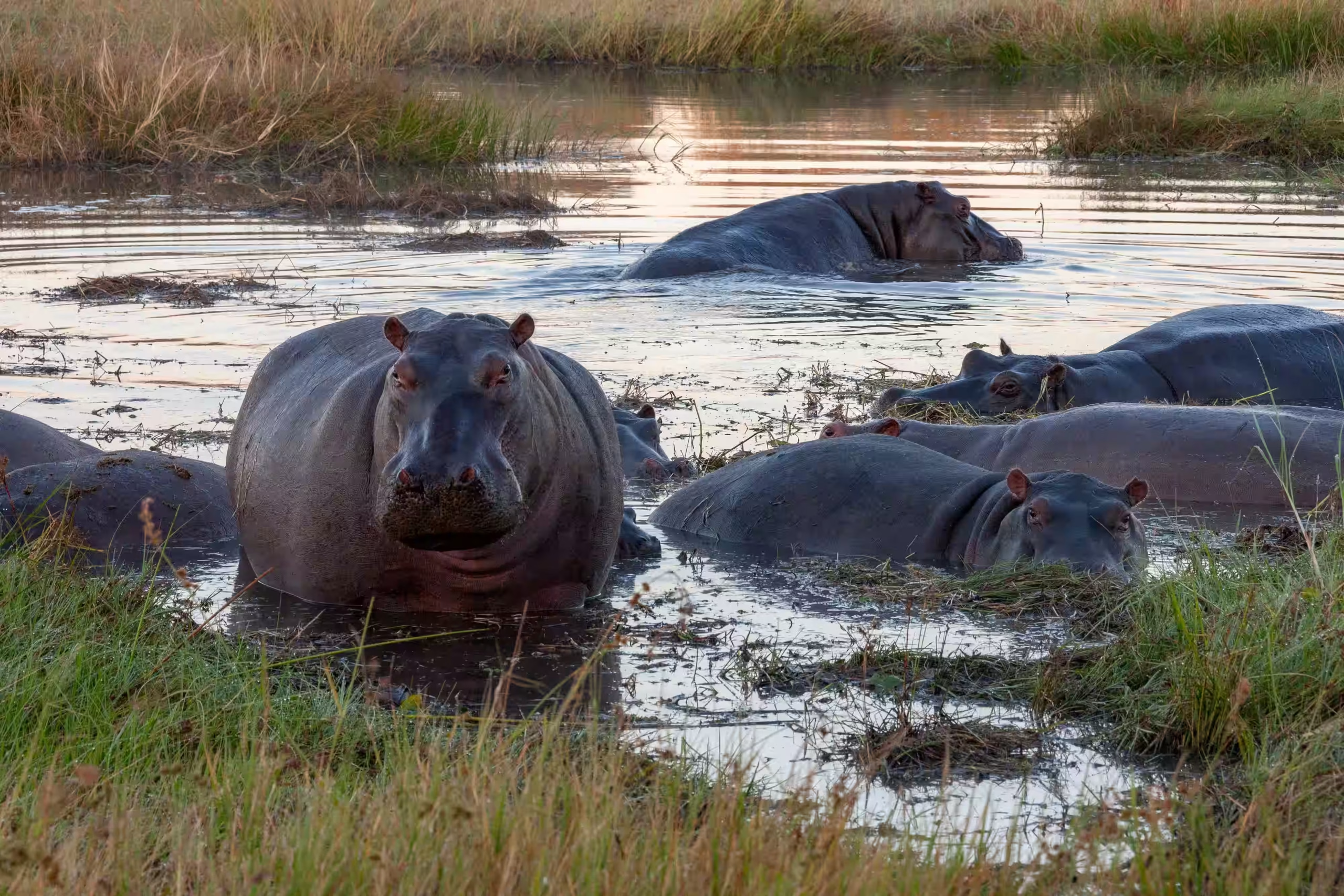
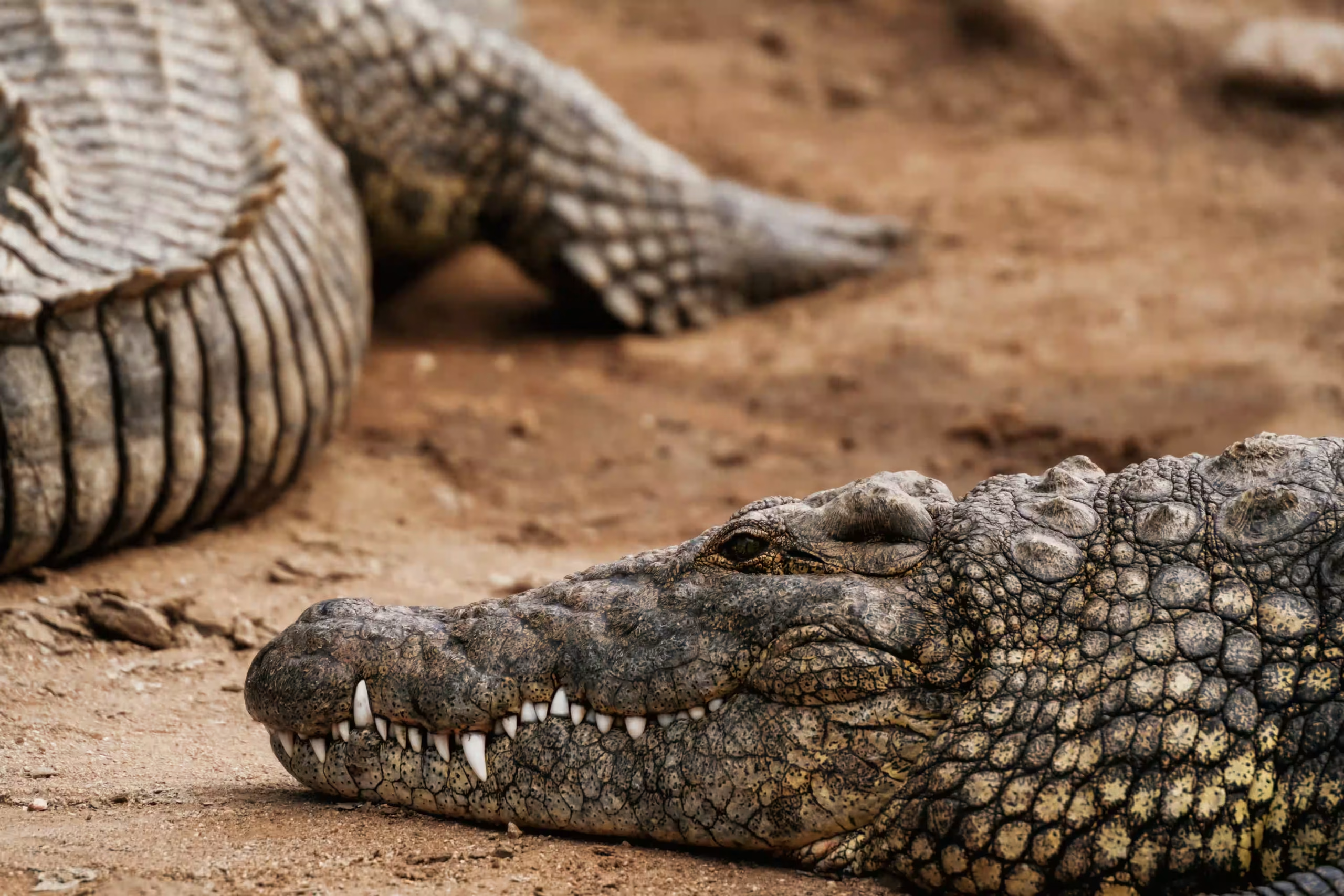
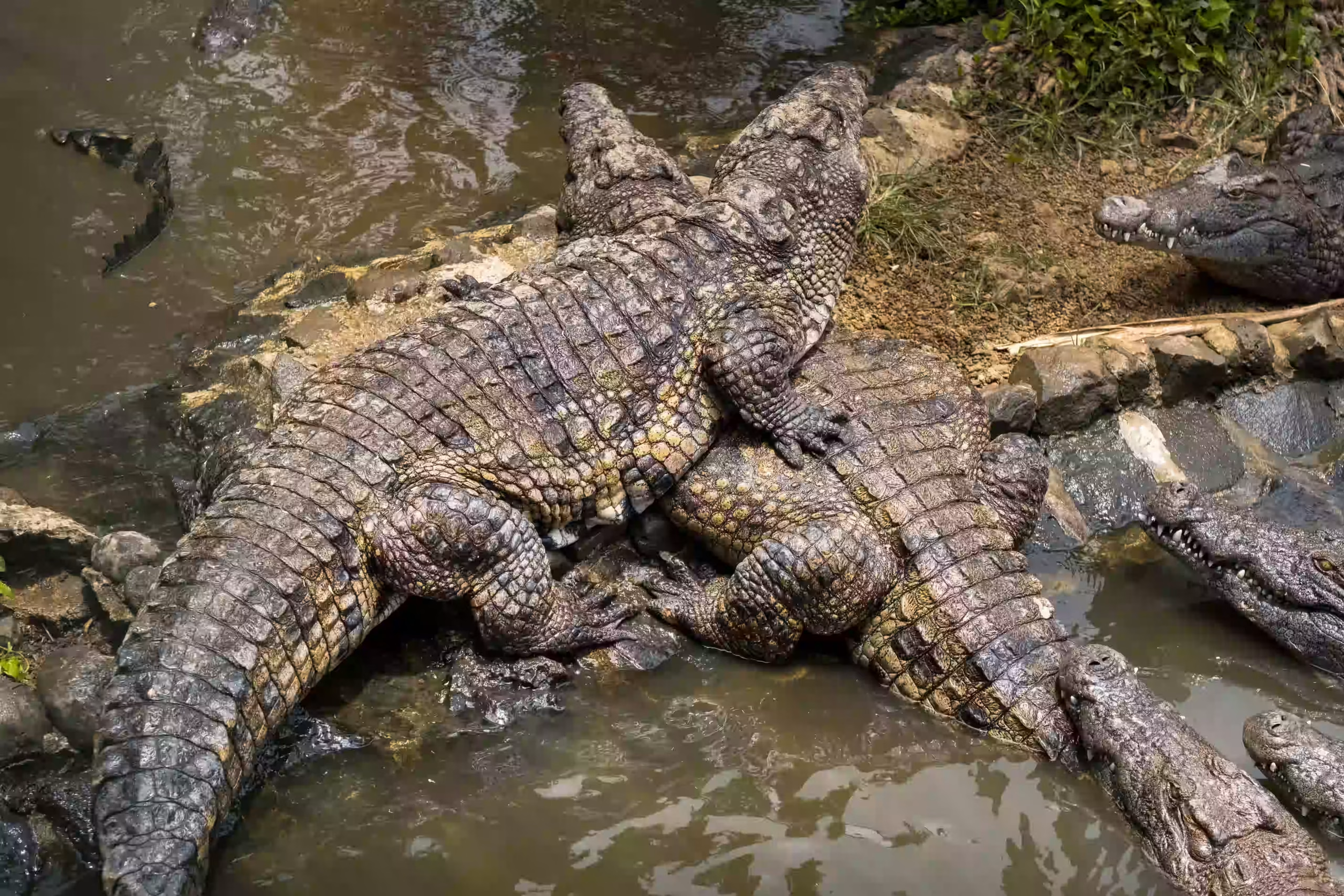
Katavi is famous for its sheer numbers in the dry season. Buffalo gather in herds of over a thousand — some of the largest buffalo concentrations in Africa — moving across the plains in vast dark masses. The Katuma River and its drying pools become crowded with hippo packed in by the hundred, jostling for the last water in scenes of noise and tension found almost nowhere else, and huge crocodiles line the banks, some retreating into caves as the water disappears.

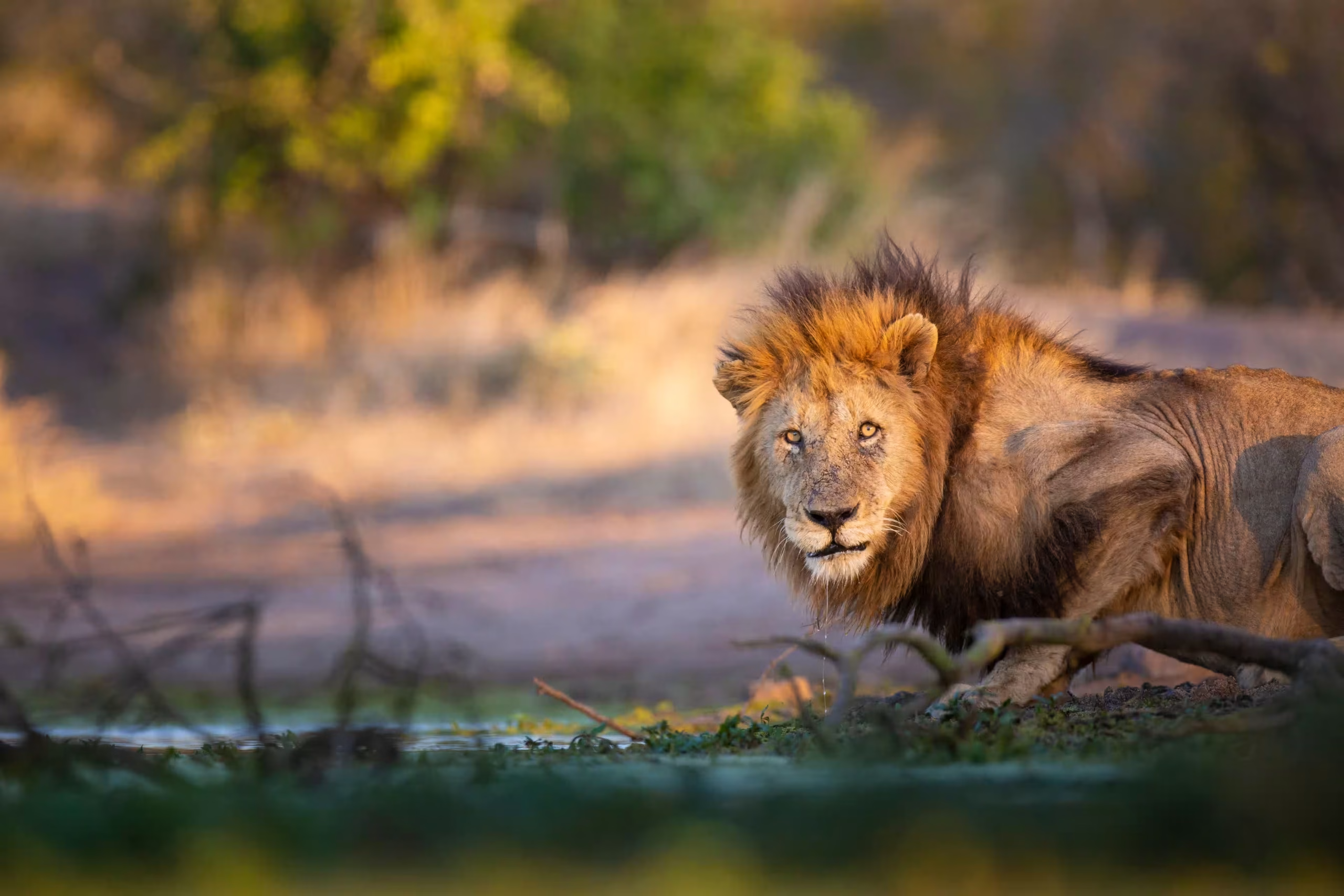
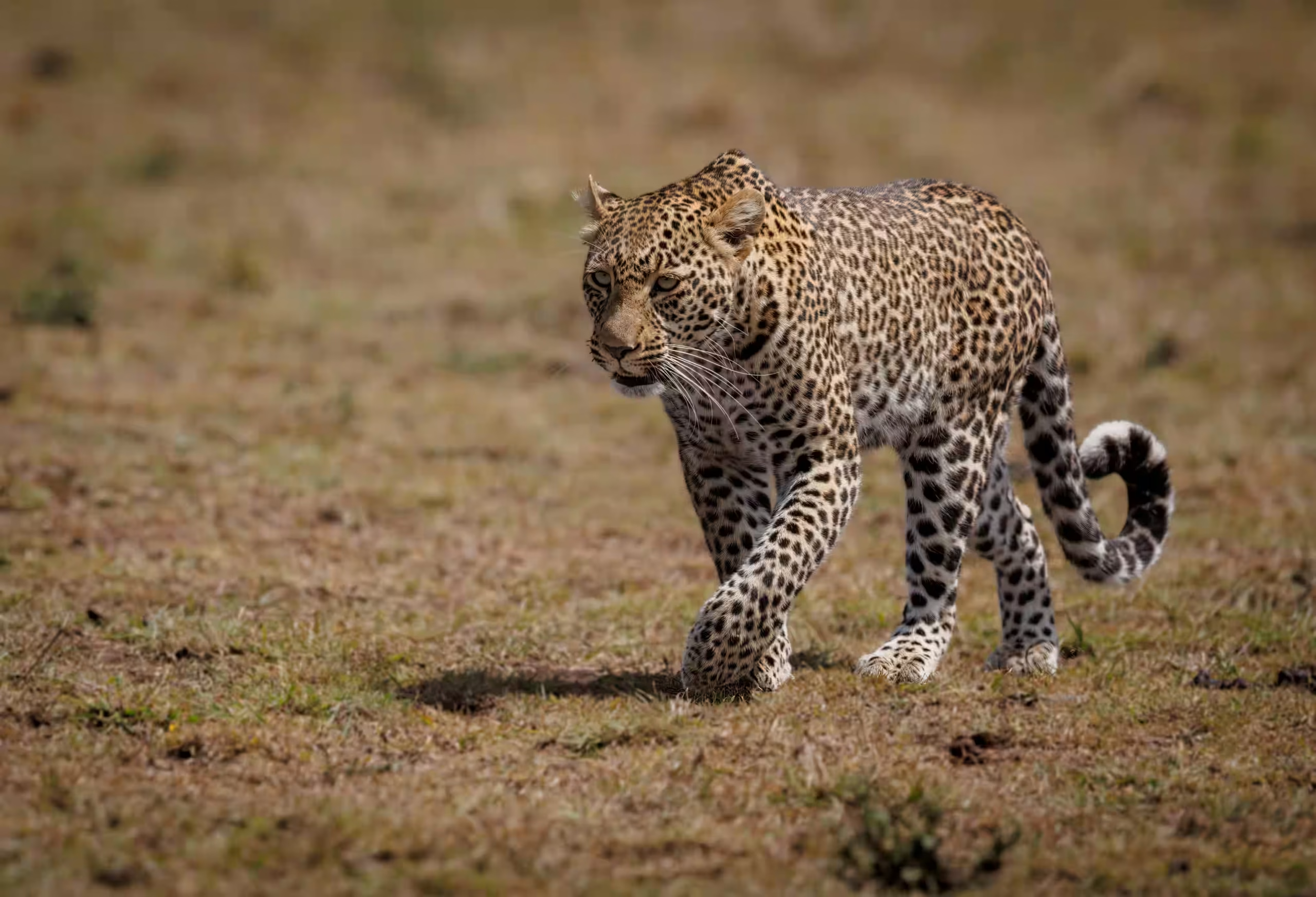
These concentrations draw predators: Katavi's lion prides are large and its hunting dramatic, and leopard and spotted hyena are both present in good numbers. The plains hold zebra, giraffe, impala, topi and the localised puku and roan antelope, while elephant move through the woodland and along the rivers. Because so few people visit, the wildlife is unhabituated and the experience genuinely wild. Over 400 bird species have been recorded. Katavi's spectacle is seasonal and concentrated — at its dry-season peak, few parks in Africa can match its raw drama.

03 When to go

The best time to visit.

Katavi is overwhelmingly a dry-season destination, from June to October. This is when the park's spectacle unfolds: as the floodplains dry and the Katuma River shrinks, wildlife concentrates on the remaining water in staggering numbers, the buffalo herds mass, and the hippo crowd into the last pools. The peak months of August to October are the most dramatic, and this is when the park's few camps operate.

The wet season, November to April, transforms Katavi entirely: the floodplains fill, the wildlife disperses across a lush green landscape, and access becomes extremely difficult, with most camps closed and roads impassable. The birding is excellent and the scenery beautiful, but the concentrated spectacle that defines Katavi is a dry-season phenomenon. To see the park at its remarkable best, come in the dry months.

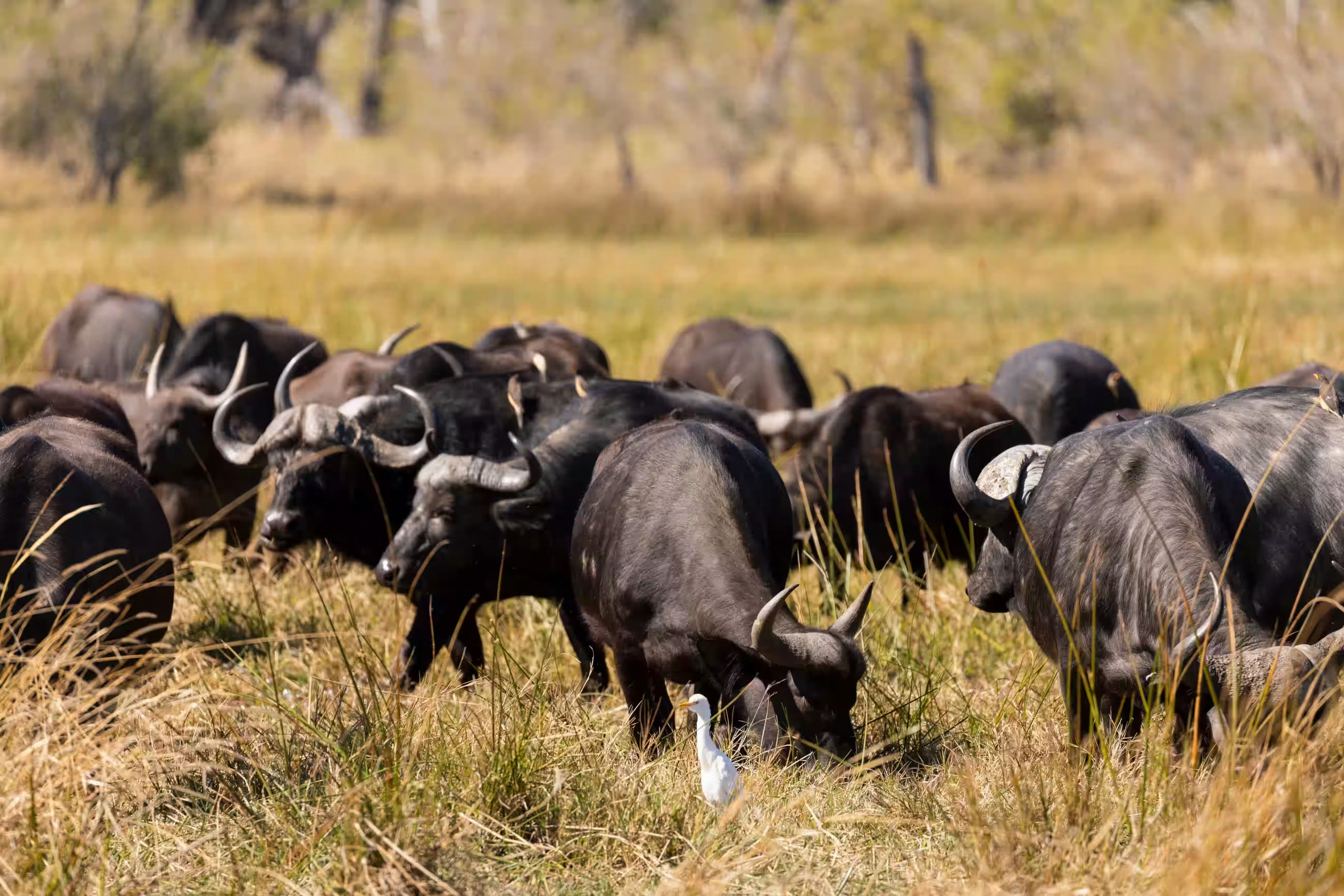
A vast herd of buffalo on the floodplain - 2400x1350 Katavi band - 2400x1350

Tanzania's remotest, most untouched park — vast floodplains, immense herds of buffalo, and hippo crowded by the hundred in shrinking rivers.

04 The regions

Where to go, and when.

Katavi's wildlife centres on its seasonal floodplains and the rivers that feed them. The Katisunga Floodplain is the park's largest and most productive, an open grassland that draws the great buffalo herds and the predators that follow. The Katuma River is the dry-season lifeline, its shrinking pools crowded with hippo and crocodile and lined with drinking game. The Chada Plain to the south is another key wildlife stage, ringed by camps that overlook it. Beyond, vast tracts of miombo and riverine woodland hold roan, puku and elephant, and stretch away into a wilderness that sees virtually no one.
The Katisunga Floodplain - Katavi National Park - 1200x900Region - The Katisunga Floodplain - 1200x900

The Katisunga Floodplain

The park's largest and most productive plain, drawing great buffalo herds and their predators.
The Katuma River - Katavi National Park - 1200x900Region - The Katuma River - 1200x900

The Katuma River

The dry-season lifeline, its pools crowded with hippo and crocodile by the hundred.
The Chada Plain - Katavi National Park - 1200x900Region - The Chada Plain - 1200x900

The Chada Plain

A key southern wildlife stage, overlooked by the park's few remote camps.

Untouched Wilderness - Katavi National Park - 1200x900Region - Untouched Wilderness - 1200x900

Untouched Wilderness

Vast miombo woodland holding roan and puku, and seeing virtually no visitors at all.

05 Getting there

How to get there.

Katavi's remoteness is central to its character — it is one of the hardest major parks in Tanzania to reach, and almost all visitors fly in. Scheduled and charter light aircraft connect Katavi to other western and southern parks and, with connections, to Dar es Salaam and Arusha, though flights are less frequent than to the northern circuit and often run seasonally. Overland access is possible but involves days of difficult driving through the far south-west and is rarely attempted by visitors. Katavi is most often combined with Mahale Mountains on the shore of Lake Tanganyika, the two forming a remote, rewarding western-Tanzania safari.

07 The route

A sample Katavi itinerary.

Day 01

Fly in to Katavi

Fly into remote Katavi, meeting your guide for an afternoon on the Katisunga Floodplain — buffalo, hippo and the first sense of true wilderness.

Day 02

Full day on the plains & river

A full day following the Katuma River and its crowded pools, the great buffalo herds, and the lion prides that hunt them, with almost no other vehicles in the park.

Day 03

Walking & wilderness

A guided walking safari across the floodplain, experiencing Katavi's wildlife on foot in one of Africa's emptiest wildernesses.

Day 04

Onward to Mahale

Fly on to the Mahale Mountains and Lake Tanganyika for chimpanzees and a complete change of scene.

08 Questions

Katavi safari questions.

Katavi is known as Tanzania's most remote and untouched major park. In the dry season it stages one of Africa's great wildlife concentrations — buffalo herds over a thousand strong, hundreds of hippo crowded into shrinking river pools, and large lion prides — with almost no other visitors present.
Katavi is overwhelmingly a dry-season destination (June–October), when wildlife concentrates dramatically on the shrinking rivers and floodplains. The peak is August to October. The wet season (November–April) disperses the wildlife and makes access extremely difficult, with most camps closed.
Almost all visitors fly in, as Katavi is one of the hardest major parks to reach. Light aircraft connect it to other western and southern parks and, with connections, to Dar es Salaam and Arusha, though flights are less frequent and often seasonal. It is usually combined with Mahale Mountains.
For travellers seeking genuine wilderness, absolutely. Katavi offers a raw, uncrowded safari and a dry-season wildlife spectacle — massed buffalo, crowded hippo pools, dramatic lion hunting — that few parks in Africa can match. Its remoteness is exactly what makes it special.
Katavi has lion, leopard, elephant and buffalo in strong numbers, but rhino are absent, so it is not a full Big Five park. Its draw is the sheer scale of its dry-season wildlife concentrations and its status as one of Africa's last truly untouched wildernesses.
Three to four days is typical, given the effort of reaching it. Because access requires a flight and often seasonal scheduling, most travellers stay several nights, frequently combining Katavi with the Mahale Mountains for a remote western-Tanzania safari.

Ready to see Katavi?

Tell us how you want to travel and a guide in Arusha will build you a route - within 24 hours, from a person, not a brochure.

Loading itinerary…
Saved Trips