Nara Tanzania Safaris

Usa River, Arusha · Tanzania +255 652 135 520 info@naratanzaniasafaris.co.tz

NaraTanzania Safaris Plan your safari
Tarangire National Park - 2400x1500 Tarangire National Park hero - 2400x1500

Tarangire National Park

A landscape of giant baobabs and great elephant herds, and the quiet star of Tanzania's northern circuit.
2,850 km²Park areaLargestElephant herds in the northDry seasonPeak wildlife

01 The place

Tarangire, in short.

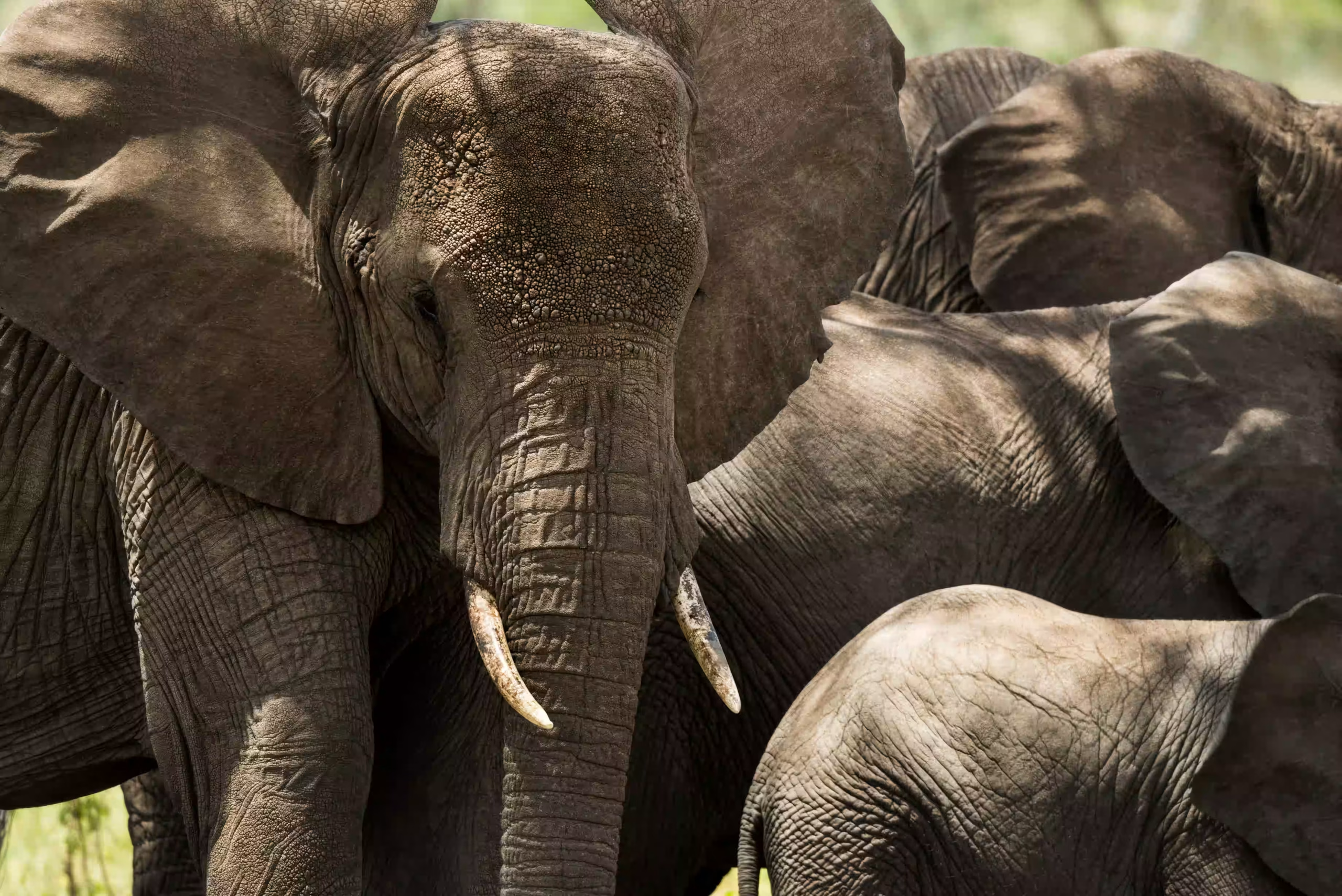
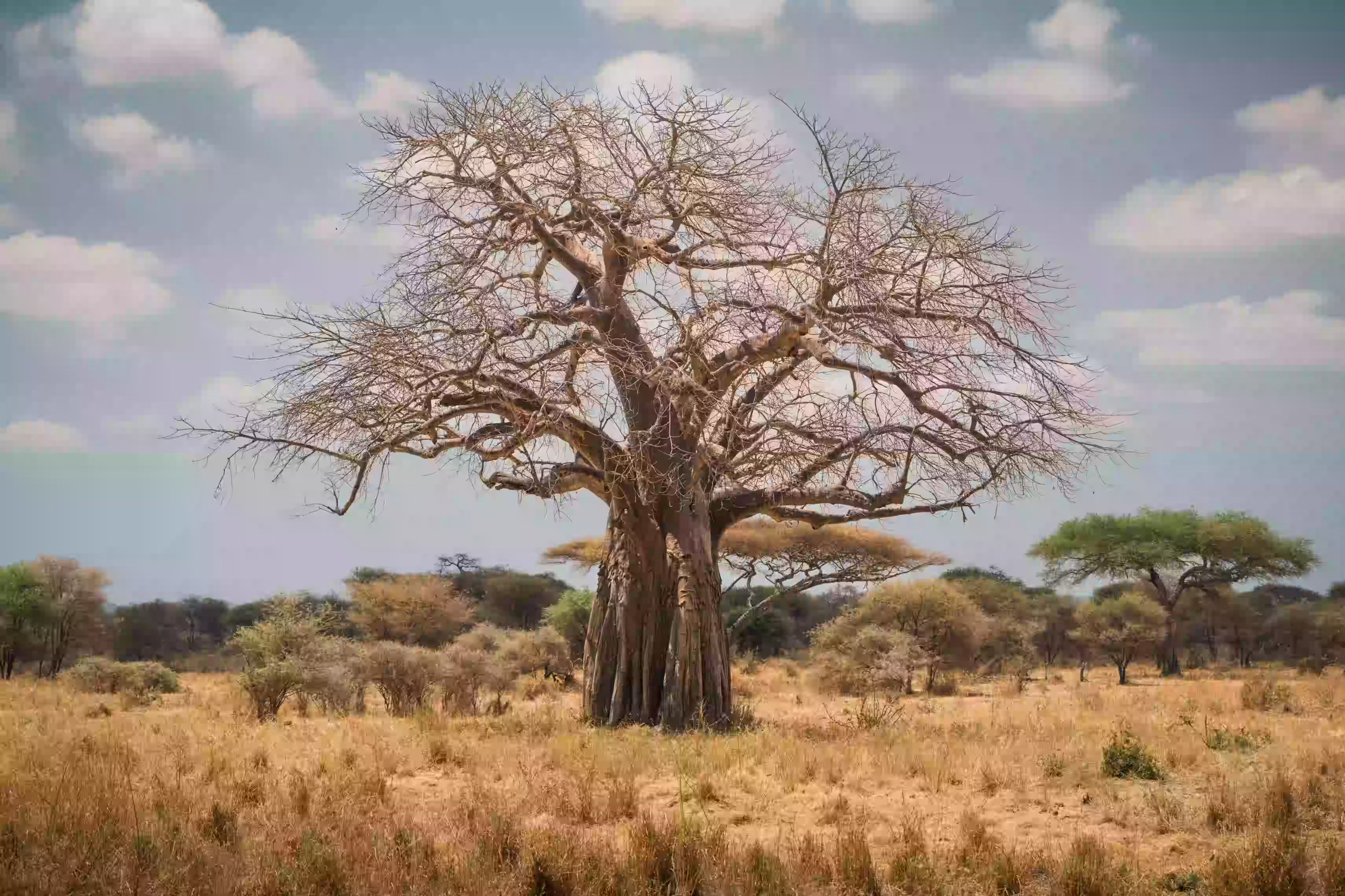
Tarangire National Park is one of Tanzania's most underrated destinations — often visited as a day trip on the way to the Serengeti, but rewarding enough to deserve far more. Named after the Tarangire River that runs through it, the park covers 2,850 square kilometres of rolling savannah studded with ancient baobab trees, some of them over a thousand years old. In the dry season it holds one of the highest concentrations of wildlife in the country, and the largest elephant population in northern Tanzania.

What sets Tarangire apart is its landscape. The enormous baobabs — swollen, primeval, standing alone across the grassland — give the park a character quite unlike anywhere else on the northern circuit. Combined with the elephant herds that gather along the river, and far fewer vehicles than the Serengeti or Ngorongoro, Tarangire offers a wilder, quieter safari that many seasoned travellers rate as their favourite.

02 The wildlife

The wildlife.

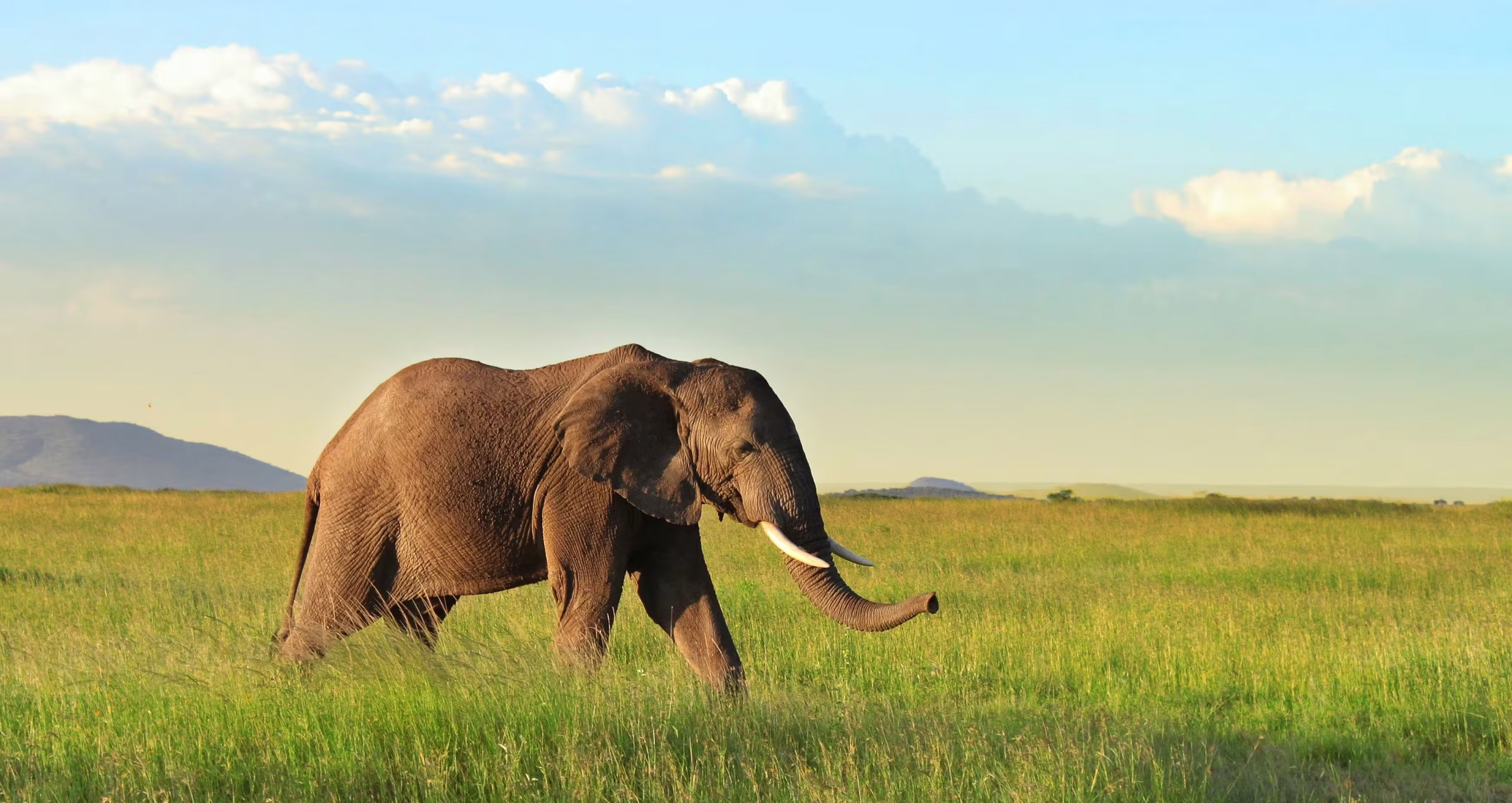
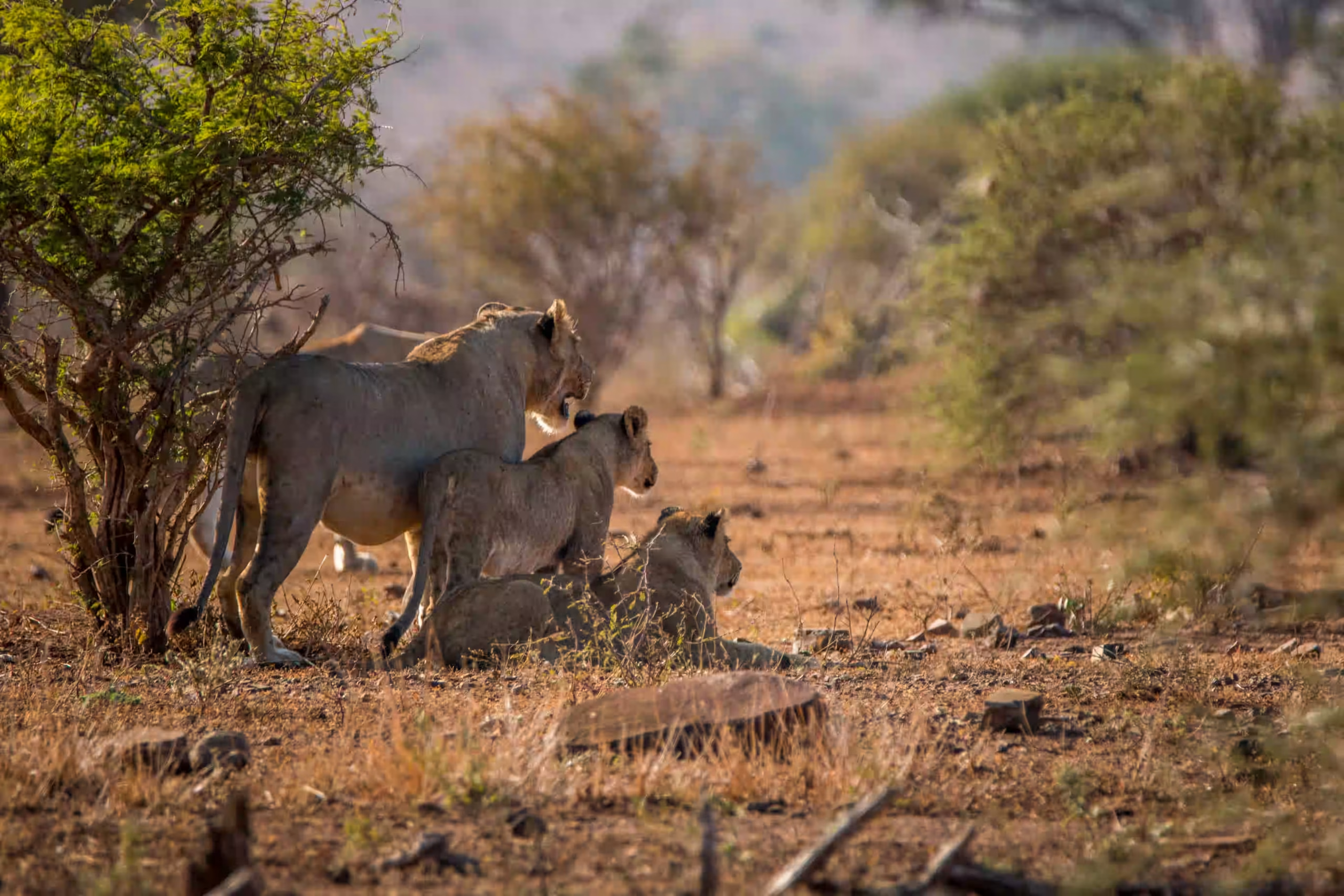
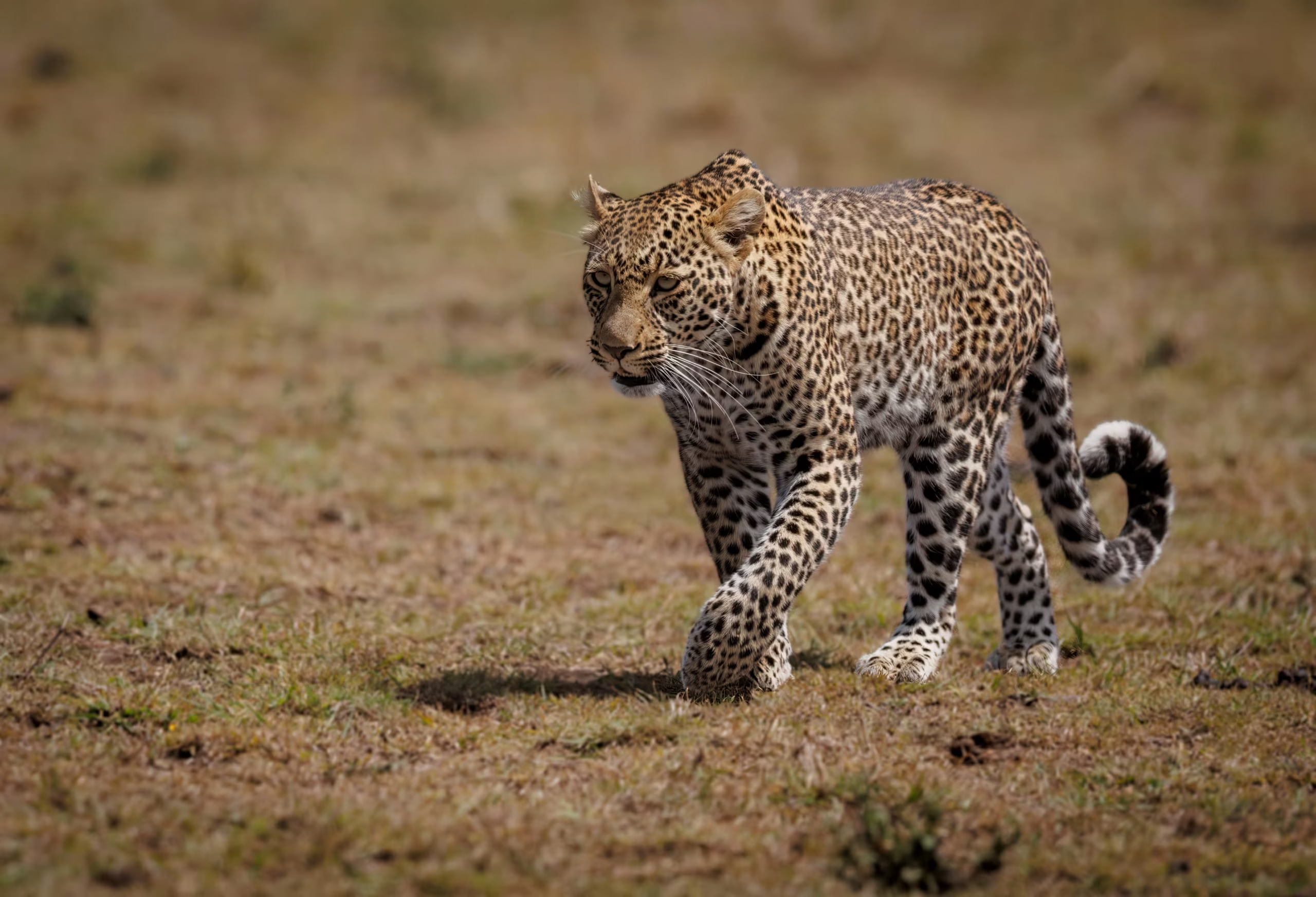
Tarangire is above all elephant country. In the dry season, herds numbering in the hundreds gather along the Tarangire River, digging for water in the dry riverbed and moving through the baobabs — one of the great elephant spectacles in Africa. The park is also home to lion, leopard, cheetah, and the localised fringe-eared oryx and gerenuk, dry-country antelope rarely seen elsewhere in Tanzania.

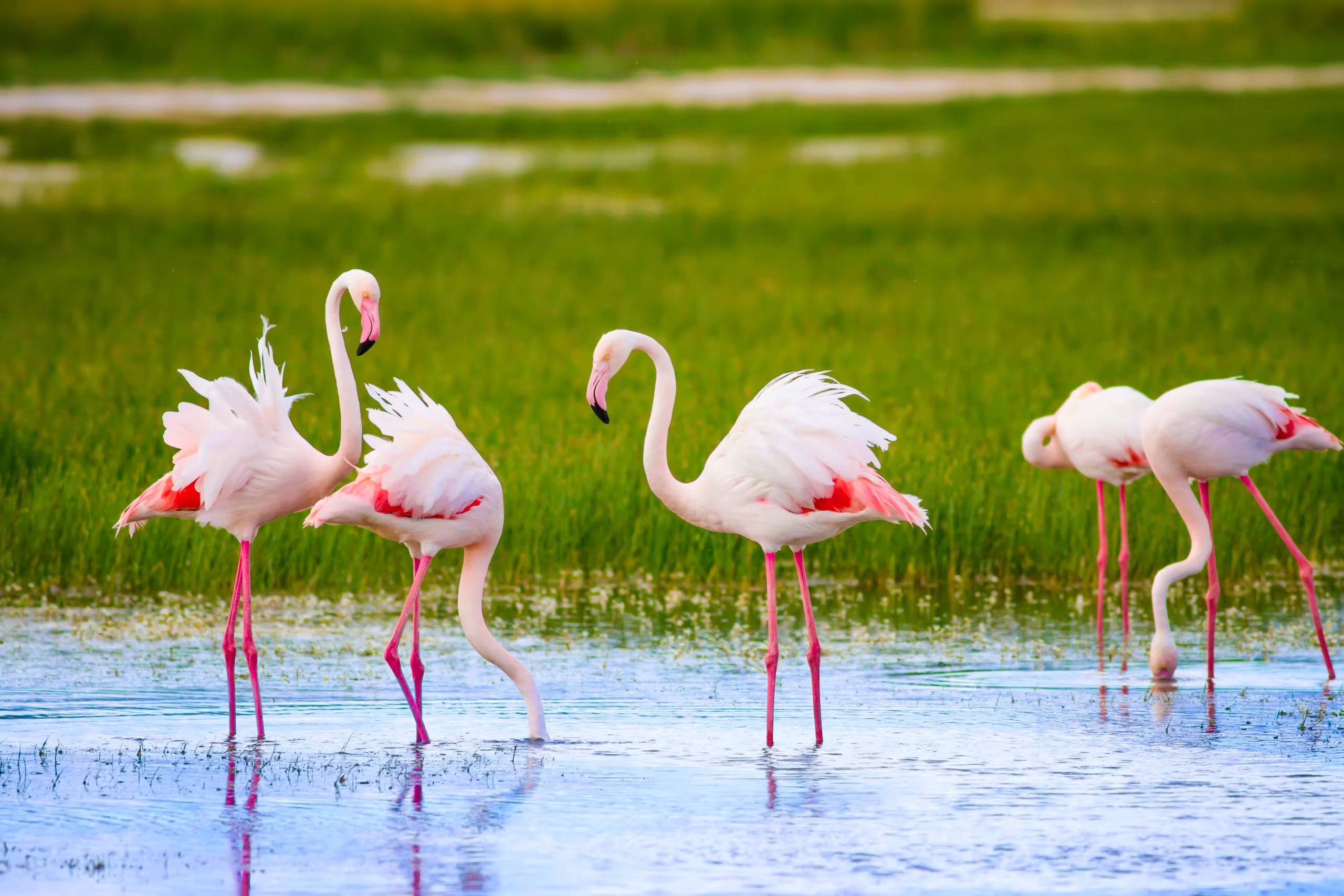
The dry-season concentration is dramatic: as water disappears from the surrounding landscape, animals converge on the Tarangire River, and the park fills with zebra, wildebeest, buffalo, giraffe, impala and eland. Tarangire is also one of Tanzania's finest birding destinations, with over 550 recorded species — including the huge kori bustard, the yellow-collared lovebird, and dense concentrations of raptors. The park's swamps in the south hold python, and its ancient baobabs are riddled with the nests of buffalo weavers.

03 When to go

The best time to visit.

Tarangire is at its most spectacular in the dry season, from June to October. As water dries up across the wider region, wildlife concentrates along the Tarangire River in extraordinary numbers, and the elephant herds are at their largest and most reliable. This is the single best time to visit, and the park's clear highlight.

The green season, November to May, transforms Tarangire into lush grassland dotted with wildflowers. Many animals disperse out of the park to breeding grounds during this period, so densities drop, but the birding is at its best as migratory species arrive, and the scenery is beautiful and empty. For the classic Tarangire experience — rivers of elephants among the baobabs — come in the dry months.

A herd of elephants among the baobab trees - 2400x1350 Tarangire band - 2400x1350

A landscape of giant baobabs and great elephant herds, and the quiet star of Tanzania's northern circuit.

04 The regions

Where to go, and when.

Tarangire's landscapes vary from north to south. The Tarangire River and its valley form the park's spine and its dry-season heart, where the elephant herds gather and most game drives focus. The Silale Swamp in the park's centre is a green oasis year-round, drawing wildlife and birds and holding water when everything else is dry. The northern baobab groves hold some of the park's most photogenic ancient trees. The remote southern reaches — Gursi and Mkungunero — see very few vehicles and offer genuine wilderness for those on longer stays, with the chance of wild dog and the park's more elusive species.
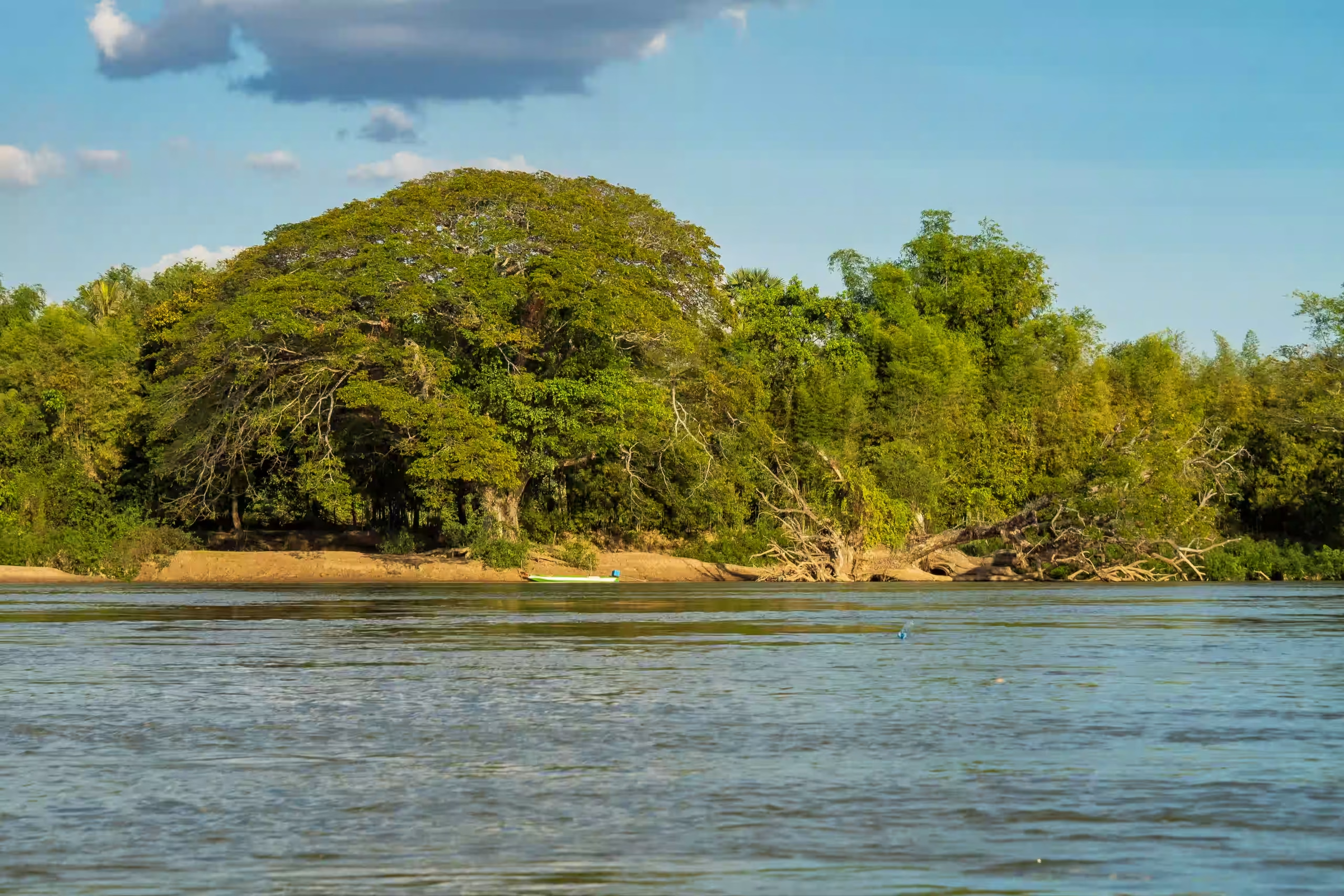
The Tarangire River - Tarangire National Park - 1200x900Region - The Tarangire River - 1200x900

The Tarangire River

The park's spine and dry-season heart, where the great elephant herds gather to dig for water.
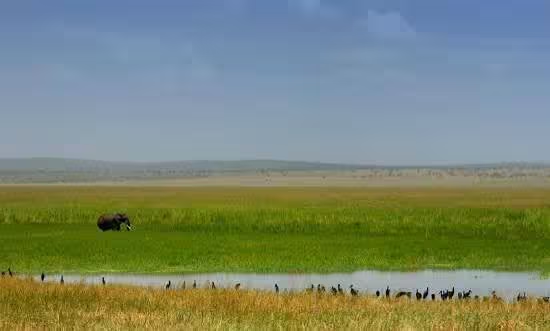
Silale Swamp - Tarangire National Park - 1200x900Region - Silale Swamp - 1200x900

Silale Swamp

A green oasis at the park's centre, holding water and wildlife year-round.
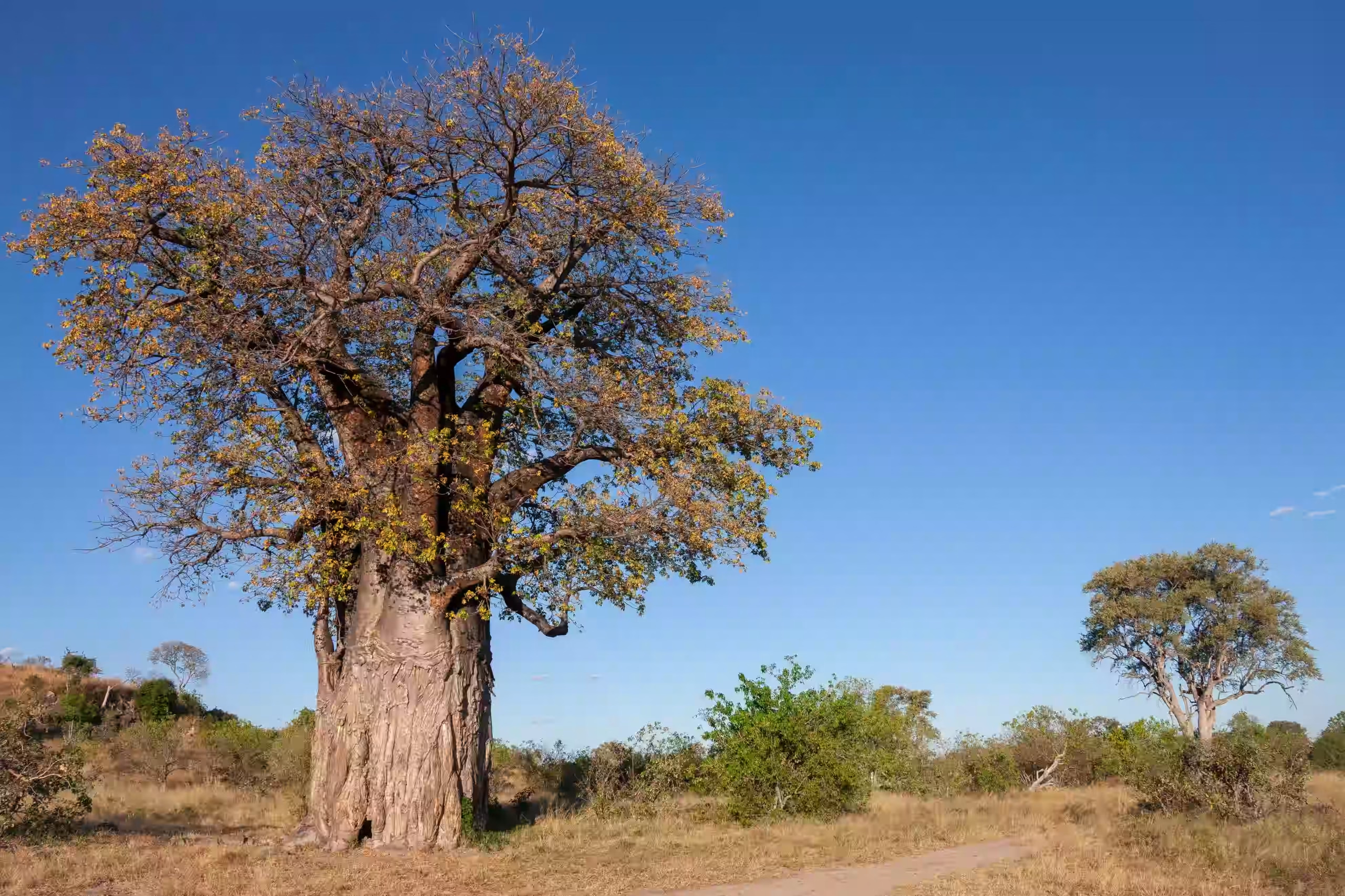
The Baobab Groves - Tarangire National Park - 1200x900Region - The Baobab Groves - 1200x900

The Baobab Groves

Ancient, primeval trees — some over a thousand years old — that give Tarangire its character.
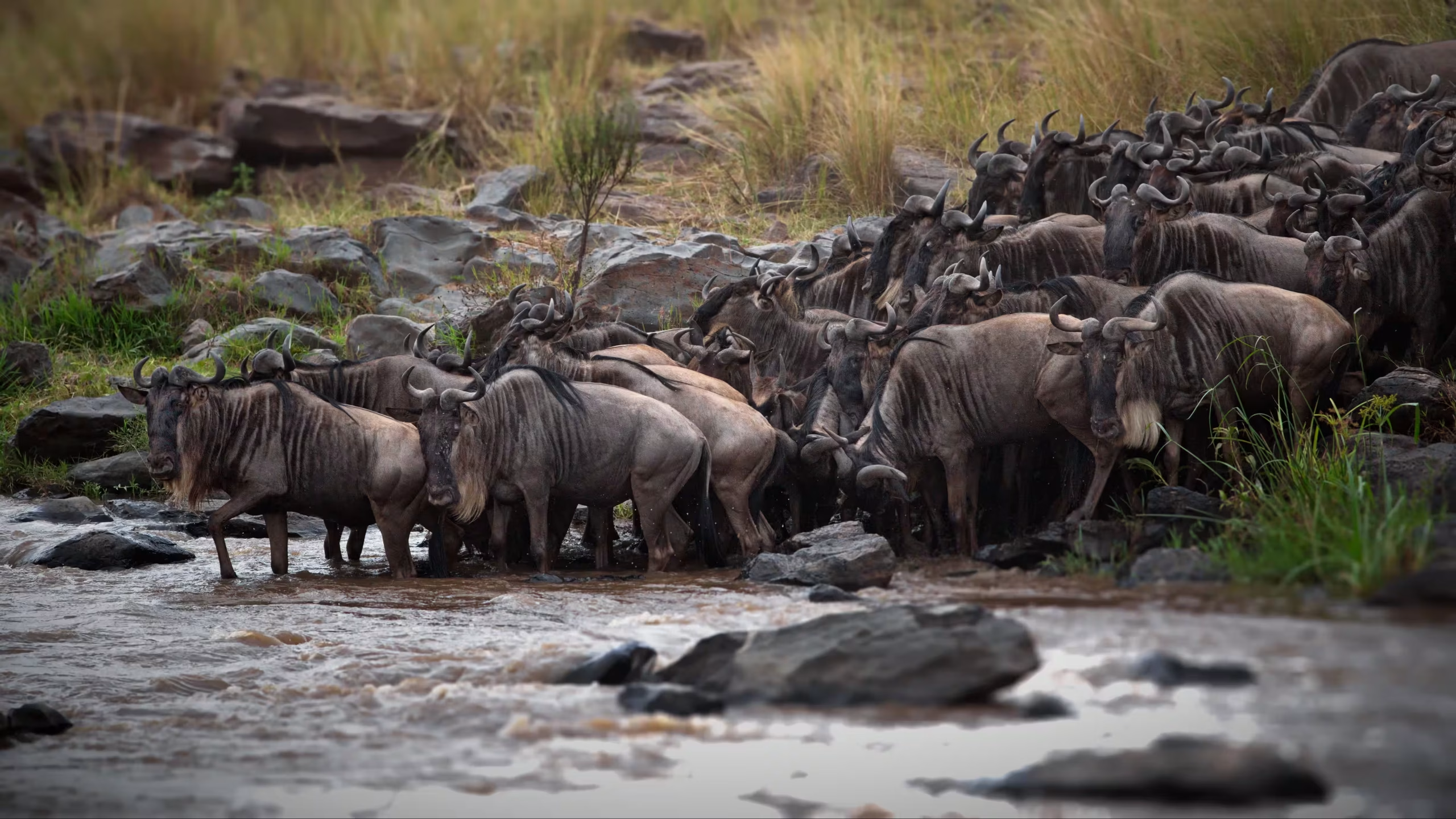
The Southern Wilderness - Tarangire National Park - 1200x900Region - The Southern Wilderness - 1200x900

The Southern Wilderness

Remote Gursi and Mkungunero, seldom visited, with wild dog and genuine solitude.

05 Getting there

How to get there.

Tarangire lies about 120 kilometres south-west of Arusha, a comfortable two-hour drive on good tarmac, with the park gate just off the main road to the Ngorongoro Crater and Serengeti. This position makes it the natural first stop on a northern-circuit safari — many itineraries begin with a day or two in Tarangire before continuing to Lake Manyara, Ngorongoro and the Serengeti. For fly-in safaris, Kuro airstrip inside the park connects Tarangire to the northern circuit and the Serengeti by light aircraft.
07 The route

A sample Tarangire itinerary.

Day 01

Arusha to Tarangire

A short drive from Arusha to Tarangire, arriving in time for an afternoon game drive along the river among the baobabs and the first of the great elephant herds.

Day 02

Full day in Tarangire

A full day exploring deeper into the park — the Silale Swamp, the southern baobab country, and the river valley where elephants, lion and the dry-country antelope gather. Picnic lunch in the bush.

Day 03

Morning drive & onward

A final morning game drive before continuing to Lake Manyara or the Ngorongoro Crater to continue the northern circuit.

Day 04

Continue the circuit

Onward to Ngorongoro and the Serengeti, or a return to Arusha.

08 Questions

Tarangire safari questions.

The dry season (June–October) is by far the best time, when wildlife concentrates along the Tarangire River and the elephant herds are at their largest. The green season (November–May) is quieter with dispersed wildlife but excellent birding and beautiful scenery.
Tarangire is famous for two things: its enormous elephant herds — the largest in northern Tanzania, gathering along the river in the dry season — and its ancient baobab trees, some over a thousand years old, which give the park a landscape unlike anywhere else on the northern circuit.
One to two days is enough to experience Tarangire well, usually as the first stop on a northern-circuit safari. Travellers who want a quieter, wilder experience away from the crowds sometimes stay longer to explore the remote southern reaches.
Tarangire is about 120 kilometres from Arusha, a comfortable two-hour drive on good tarmac. The park gate sits just off the main road to Ngorongoro and the Serengeti, making it the natural first stop on a northern safari.
Tarangire has lion, leopard, elephant and buffalo in good numbers. Rhino are absent, so it is not a full Big Five park, but its elephant viewing is among the best in Africa and it holds dry-country species like oryx and gerenuk rarely seen elsewhere in Tanzania.
Absolutely. Though often treated as a day trip, Tarangire's elephant herds, baobab landscapes, strong predator numbers and relative lack of crowds lead many seasoned safari-goers to rate it among their favourite parks in Tanzania.

Ready to see Tarangire?

Tell us how you want to travel and a guide in Arusha will build you a route - within 24 hours, from a person, not a brochure.

Loading itinerary…
Saved Trips