Nara Tanzania Safaris

Usa River, Arusha · Tanzania +255 652 135 520 info@naratanzaniasafaris.co.tz

NaraTanzania Safaris Plan your safari
Zanzibar - 2400x1500 Zanzibar hero - 2400x1500

Zanzibar

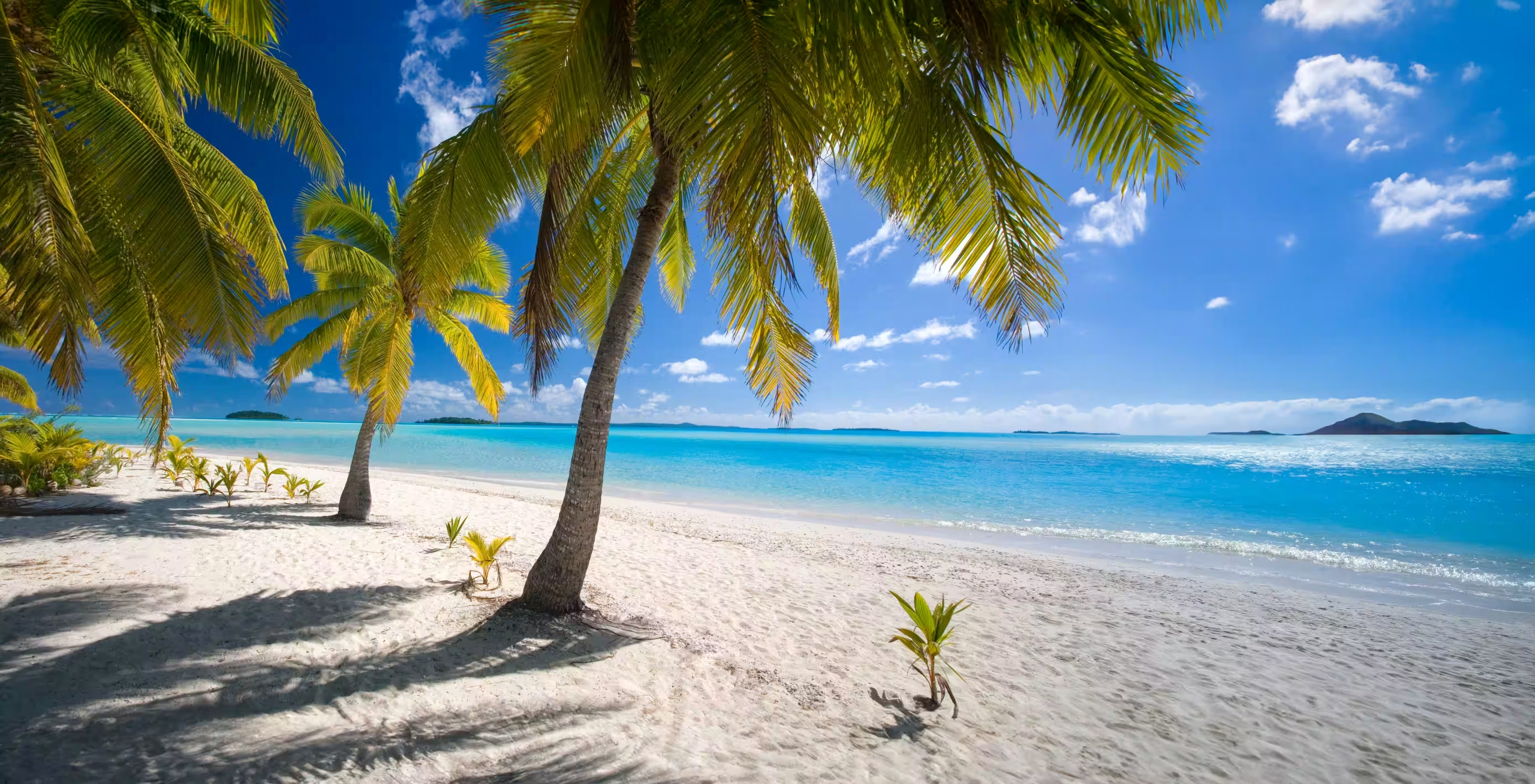
A spice island of white sand and turquoise sea, layered with a thousand years of Swahili, Arab and Indian history — the perfect end to a safari.
Indian OceanArchipelagoStone TownUNESCO siteYear-roundWarm sea

01 The place

Zanzibar, in short.

Zanzibar is the jewel of the East African coast — an archipelago of coral islands in the Indian Ocean, ringed by some of the finest beaches in the world and steeped in a history unlike anywhere else. For over a thousand years, Zanzibar sat at the heart of the monsoon trade routes that linked Africa, Arabia, Persia and India, and that legacy is written into everything: the coral-stone alleys of Stone Town, the scent of cloves and cinnamon on the spice farms, the Swahili culture that fuses African, Arab and Indian threads into something wholly its own.

Most travellers come to Zanzibar to unwind after a safari, and the pairing is close to perfect: the drama and dust of the mainland parks, followed by warm turquoise water, powder-white sand and the slow rhythm of island life. But Zanzibar is far more than a beach. Its history is extraordinary and often sombre — this was a major hub of the East African slave trade — its culture is rich and living, its diving and snorkelling among the best in the region, and its food a delicious expression of its trading past. It rewards curiosity as much as it rewards rest.

02 The coast

Nature & the sea.

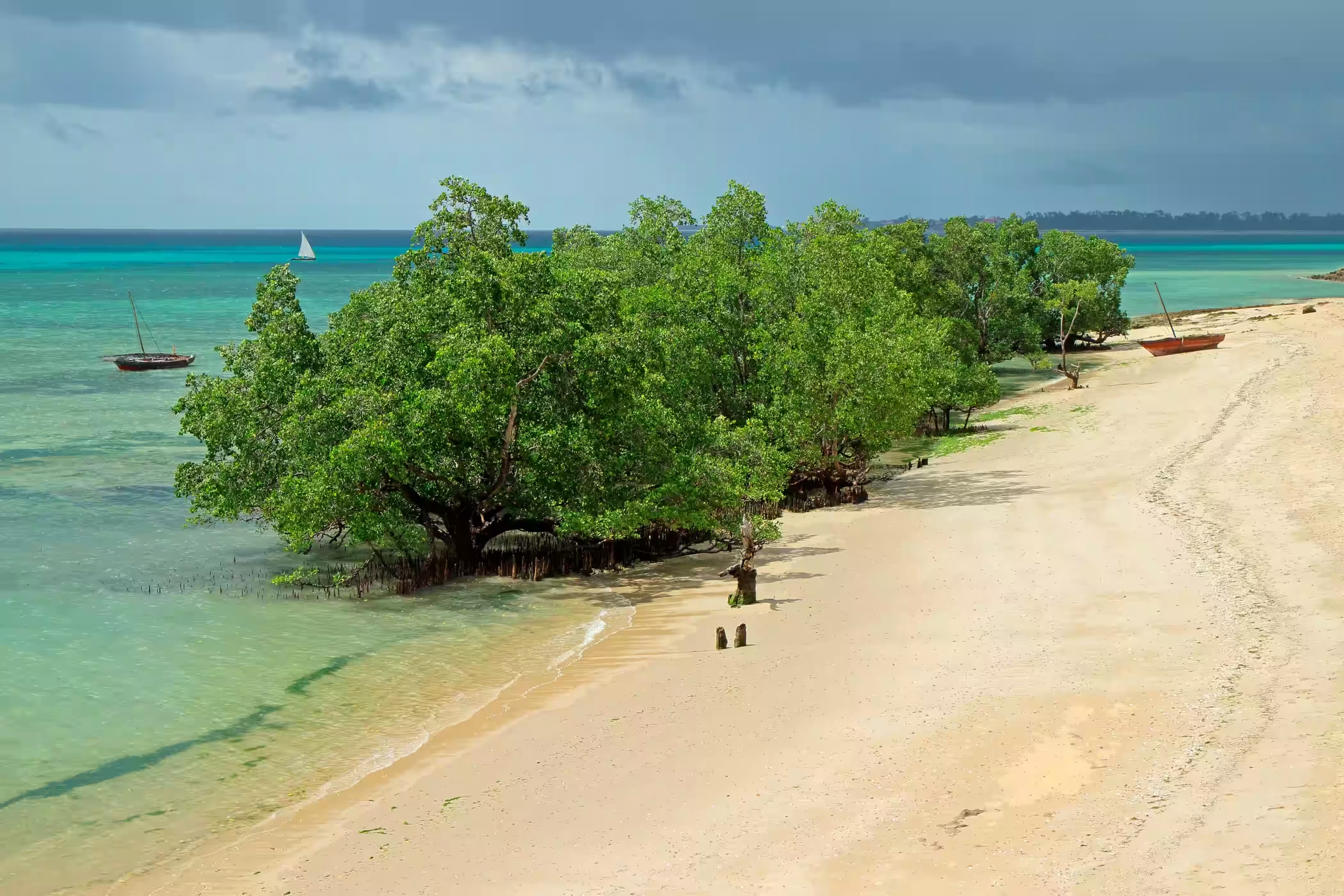
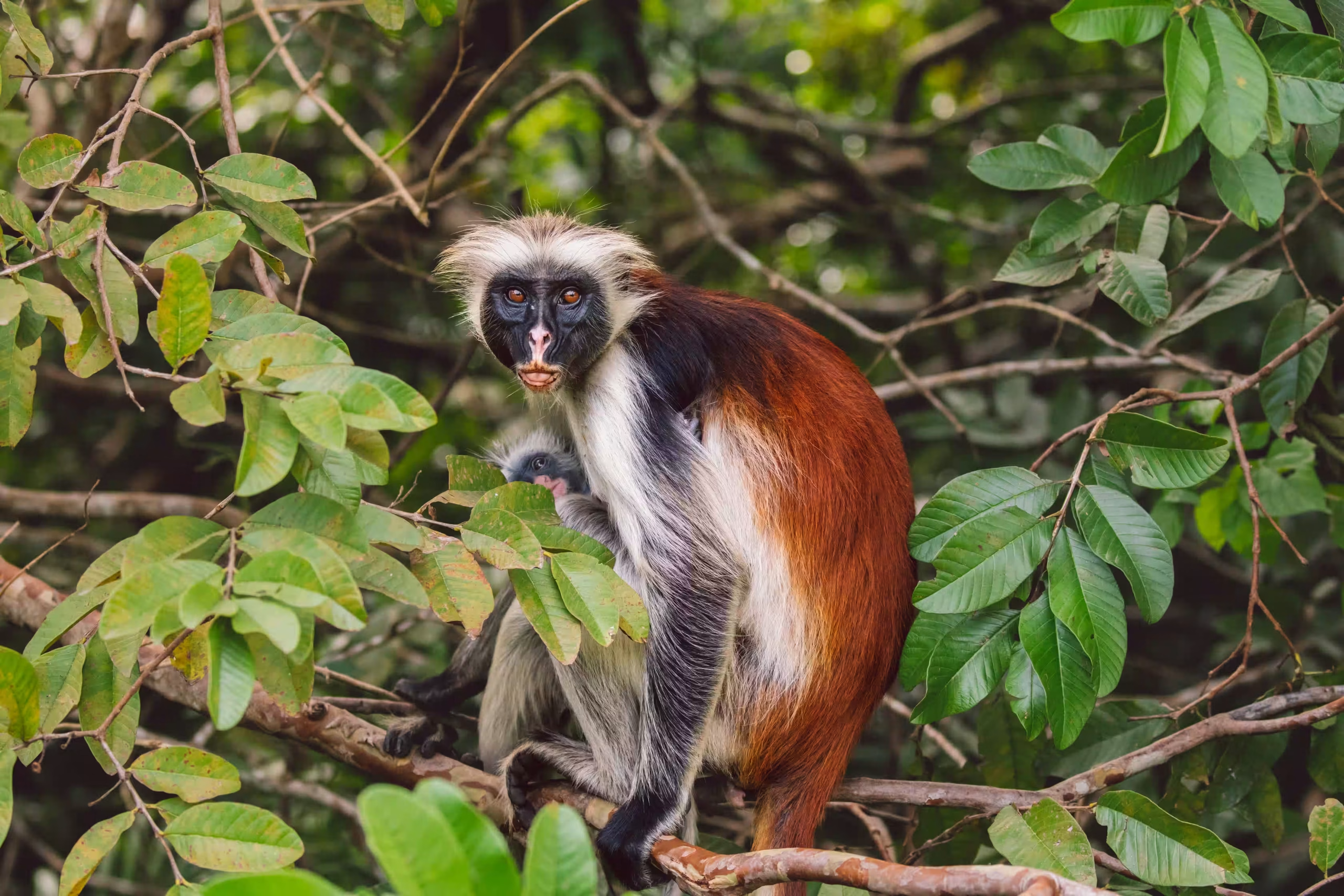
Zanzibar's natural appeal is coastal and marine rather than big-game, but it holds real treasures. The Jozani Forest, the island's largest remaining native forest, is home to the endemic Zanzibar red colobus monkey — found nowhere else on earth — which can be seen at close range moving through the canopy, along with bushbabies, duikers and a wealth of birds. The forest's boardwalk through a mangrove swamp is a lovely, easy excursion.

It is beneath the water, though, that Zanzibar's wildlife truly shines. The coral reefs around the archipelago — particularly off Mnemba Atoll — teem with fish, turtles, rays and, seasonally, dolphins, making for superb snorkelling and diving in warm, clear water. Migrating humpback whales pass offshore between roughly August and October, and green and hawksbill turtles nest on the beaches and can be seen at conservation sanctuaries. Between the reef, the forest and the birdlife, Zanzibar offers a gentle, rewarding natural counterpoint to a mainland safari.

03 When to go

The best time to visit.

Zanzibar is a year-round destination, but the dry seasons offer the best beach weather. The long dry season, from June to October, brings warm, sunny days, lower humidity and calm seas — the peak time to visit, and ideal after a mainland safari. The short dry season around December to February is hot and sunny, popular over the festive period, and excellent for diving in clear water.

The rains come in two spells: the long rains from March to May, the wettest and quietest time, when some establishments close and heavy downpours are common; and the short rains around November, usually brief afternoon showers that do little to spoil a visit. The sea is warm all year. For the finest combination of sun, calm water and comfortable conditions, June to October and December to February are the prime windows — conveniently, the same dry months that are best for a mainland safari.

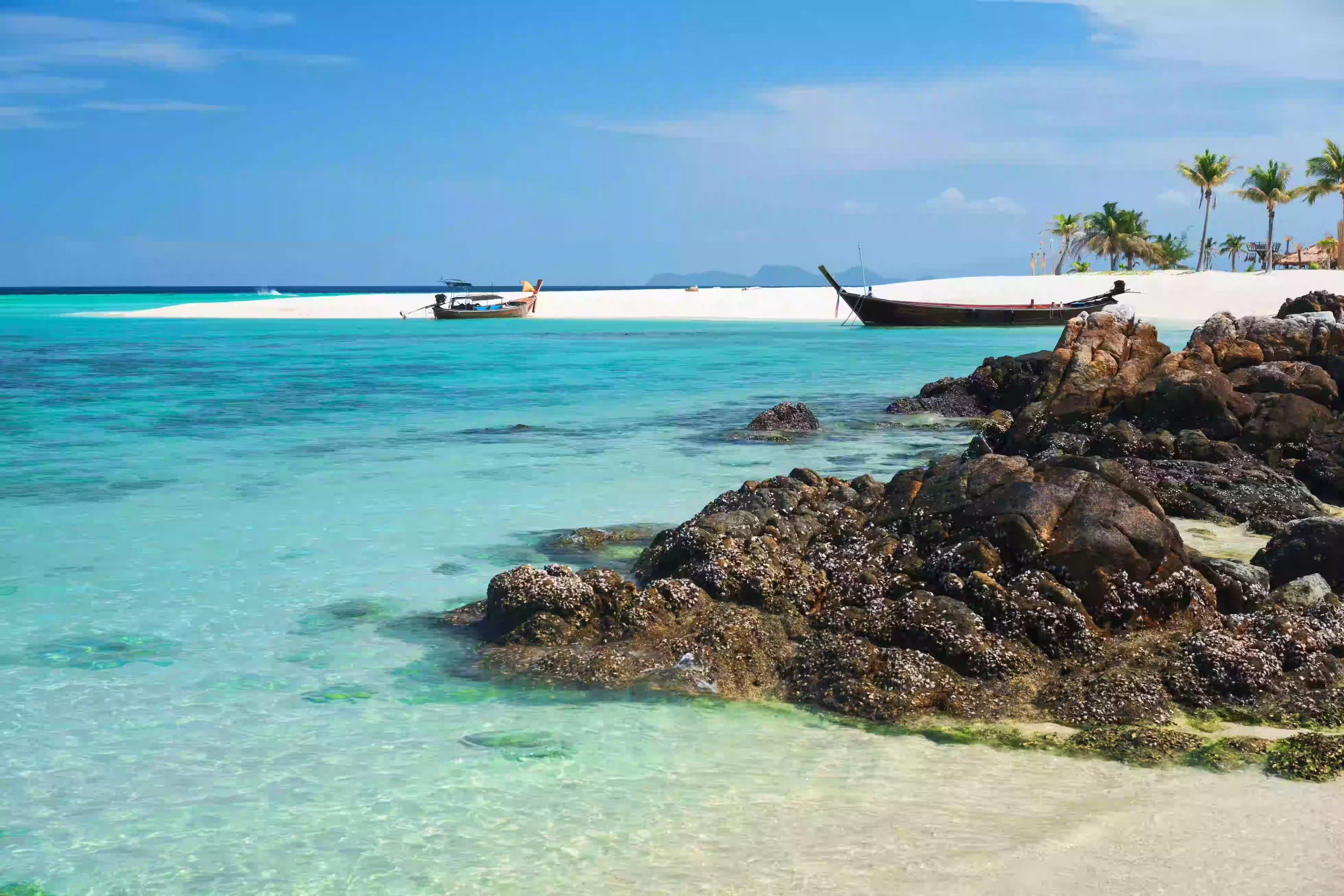
A white-sand beach with a dhow on turquoise water - 2400x1350 Zanzibar band - 2400x1350

A spice island of white sand and turquoise sea, layered with a thousand years of Swahili, Arab and Indian history — the perfect end to a safari.

04 The regions

Around the island.

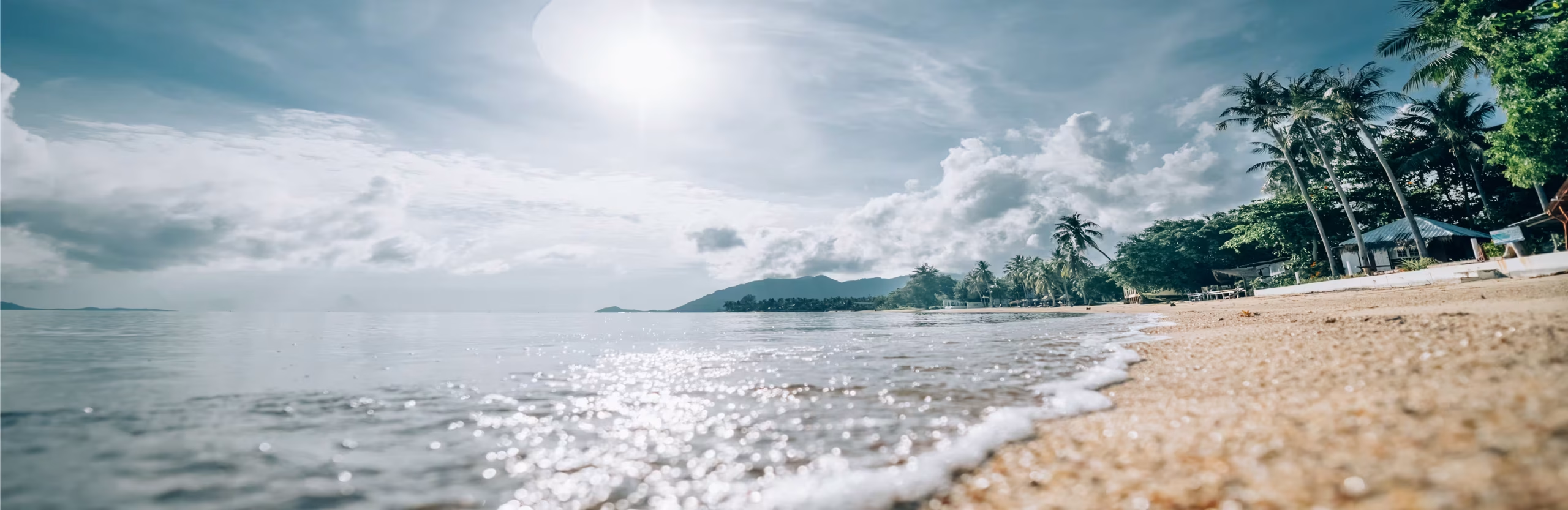
Zanzibar's coasts each have their own character. The north — Nungwi and Kendwa — has the island's most famous beaches, wide and white with swimmable water at all tides and a lively scene. The east coast — Paje, Jambiani, Bwejuu — is a long ribbon of turquoise lagoon and powder sand, quieter and more laid-back, and the home of Zanzibar's kitesurfing. The north-east around Matemwe faces Mnemba Atoll and its superb reef. At the island's heart lies Stone Town, the historic capital, a UNESCO World Heritage Site of coral-stone architecture, carved doors and winding alleys — and inland, the spice farms and Jozani Forest reward a day away from the beach.
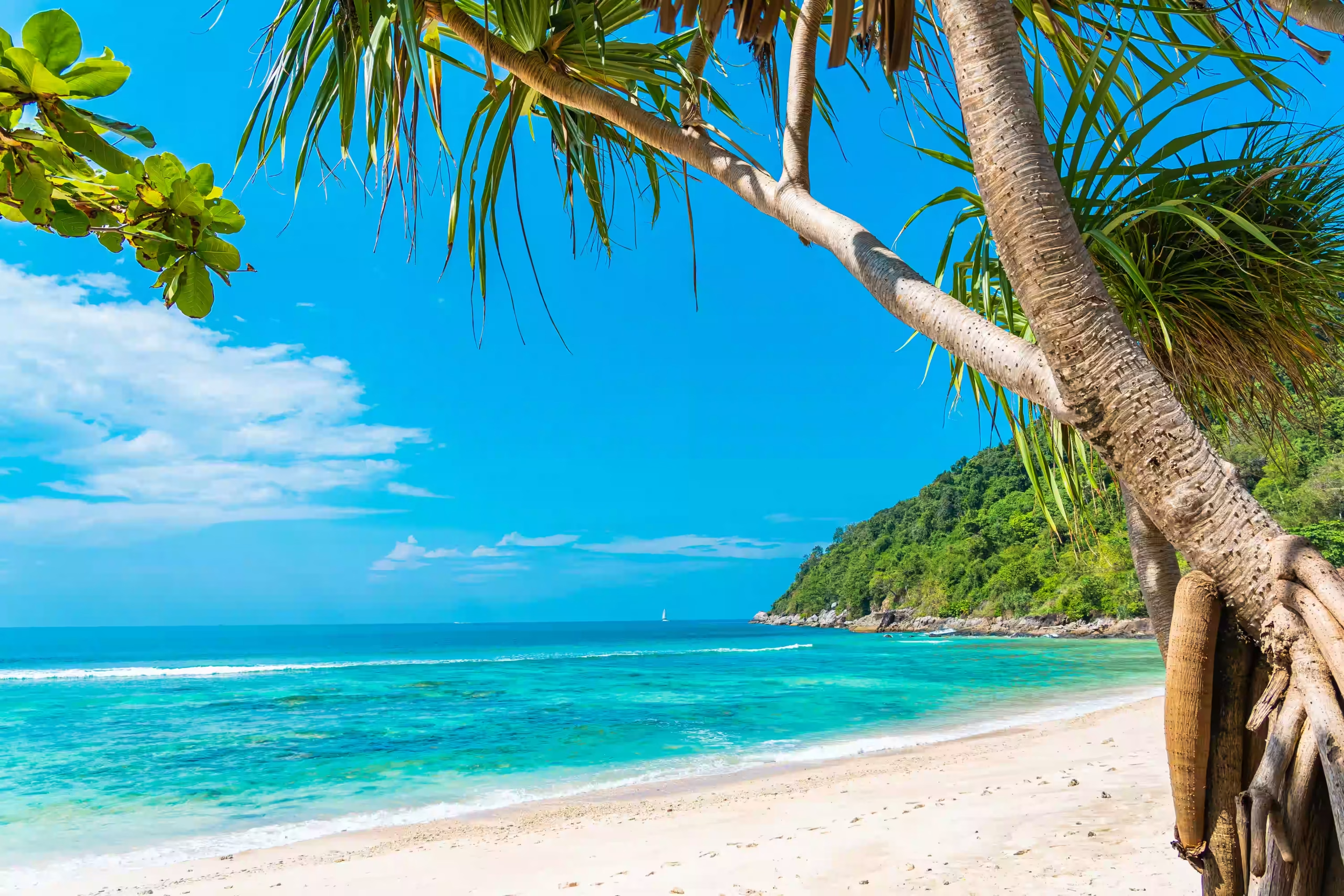
The North — Nungwi & Kendwa - Zanzibar - 1200x900Region - The North — Nungwi & Kendwa - 1200x900

The North — Nungwi & Kendwa

The island's most famous beaches, wide and white with swimmable water at all tides.
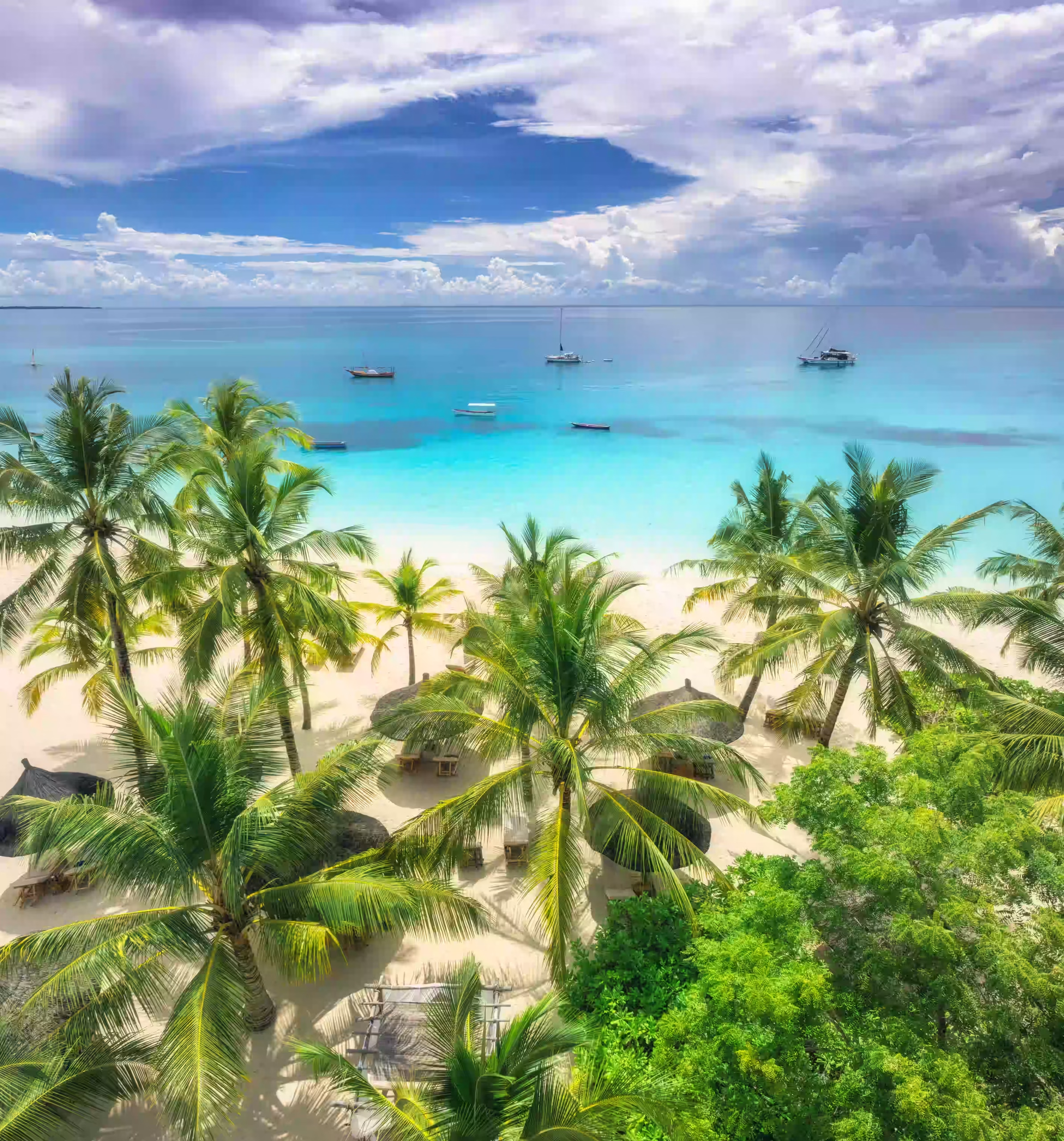
The East Coast — Paje & Jambiani - Zanzibar - 1200x900Region - The East Coast — Paje & Jambiani - 1200x900

The East Coast — Paje & Jambiani

A long turquoise lagoon of powder sand, quieter and laid-back, and home to kitesurfing.
Stone Town - Zanzibar - 1200x900Region - Stone Town - 1200x900

Stone Town

The historic UNESCO capital of coral-stone alleys, carved doors and Swahili history.
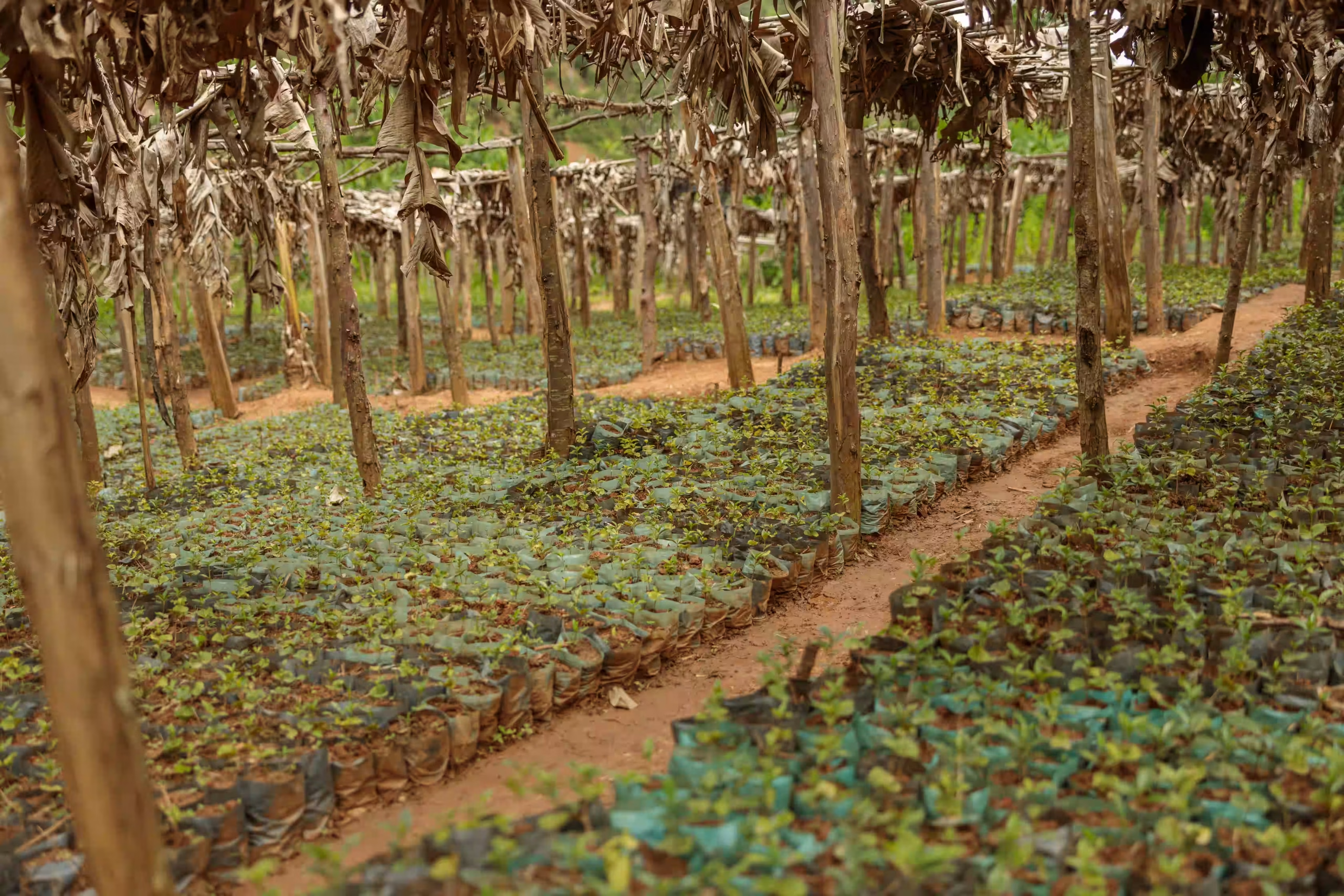
The Spice Farms & Jozani - Zanzibar - 1200x900Region - The Spice Farms & Jozani - 1200x900

The Spice Farms & Jozani

Inland clove and cinnamon farms, and the forest of the endemic red colobus monkey.

05 Getting there

How to get there.

Zanzibar is easy to reach and simple to combine with a safari. Abeid Amani Karume International Airport, just outside Stone Town, is served by direct international flights from Europe, the Middle East and across Africa, as well as very frequent short flights from Dar es Salaam (around 20 minutes) and from the northern safari circuit at Arusha and the Serengeti (around an hour to ninety minutes). Ferries also run from Dar es Salaam to Stone Town in about two hours. This connectivity makes the classic 'bush and beach' combination effortless — step off a light aircraft from the Serengeti and be on a Zanzibar beach the same afternoon.

07 The route

A sample Zanzibar few days.

Day 01

Arrive & Stone Town

Fly in from the safari circuit or Dar es Salaam and settle into Stone Town, exploring its coral-stone alleys, historic sites and waterfront as the sun sets over the Indian Ocean.

Day 02

Stone Town & spice farm

A guided tour of Stone Town's history — the old fort, the former slave market, the House of Wonders — and an afternoon on a spice farm among the cloves, nutmeg and cinnamon that made the island famous.

Day 03

Beach & Mnemba snorkelling

Transfer to the coast for beach time and a snorkelling or diving trip to Mnemba Atoll's coral reef, with turtles, dolphins and clear turquoise water.

Day 04

Jozani Forest & relax

A morning at Jozani Forest to see the endemic red colobus monkeys, then time to relax on the beach before flying home or onward.

08 Questions

Zanzibar travel questions.

The dry seasons offer the best beach weather: June to October (warm, sunny, calm seas) and December to February (hot and sunny, great for diving). The long rains from March to May are the wettest and quietest, while short November rains are usually brief. Conveniently, the best months match the best safari season.
Zanzibar is known for its white-sand beaches and turquoise sea, the historic Stone Town — a UNESCO World Heritage Site — its spice farms, and its rich Swahili culture blending African, Arab and Indian influences. It is also known for superb diving and snorkelling and as the perfect beach finish to a mainland safari.
Very easily. Frequent short flights connect Zanzibar to Dar es Salaam (around 20 minutes) and to the northern safari circuit at Arusha and the Serengeti (around an hour to ninety minutes). The classic 'bush and beach' trip lets you step off a light aircraft from the Serengeti and be on a Zanzibar beach the same afternoon.
Yes. Beyond its beaches, Zanzibar offers the historic Stone Town with its Swahili, Arab and Indian heritage and sobering slave-trade history, spice farm tours, the endemic red colobus monkeys of Jozani Forest, world-class diving at Mnemba Atoll, and a rich culture and cuisine. It rewards curiosity as much as relaxation.
The north (Nungwi and Kendwa) has the most famous beaches, wide and white with water swimmable at all tides. The east coast (Paje, Jambiani, Bwejuu) offers quieter turquoise lagoons and powder sand. The north-east (Matemwe) faces the superb Mnemba reef. Each coast has its own character and tides.
Three to five days is ideal after a safari — enough for a day or two exploring Stone Town and the spice farms, plus several days relaxing on the beach with a snorkelling or diving trip. Many travellers spend a week to fully unwind and take in both the culture and the coast.

Ready to see Zanzibar?

Tell us how you want to travel and a guide in Arusha will build you a route - within 24 hours, from a person, not a brochure.

Loading itinerary…
Saved Trips