Nara Tanzania Safaris

Usa River, Arusha · Tanzania +255 652 135 520 info@naratanzaniasafaris.co.tz
NaraTanzania Safaris Plan your safari
Kilimanjaro Trekking - 2400x1500 Kilimanjaro Trekking hero - 2400x1500

The Experience

Kilimanjaro Trekking

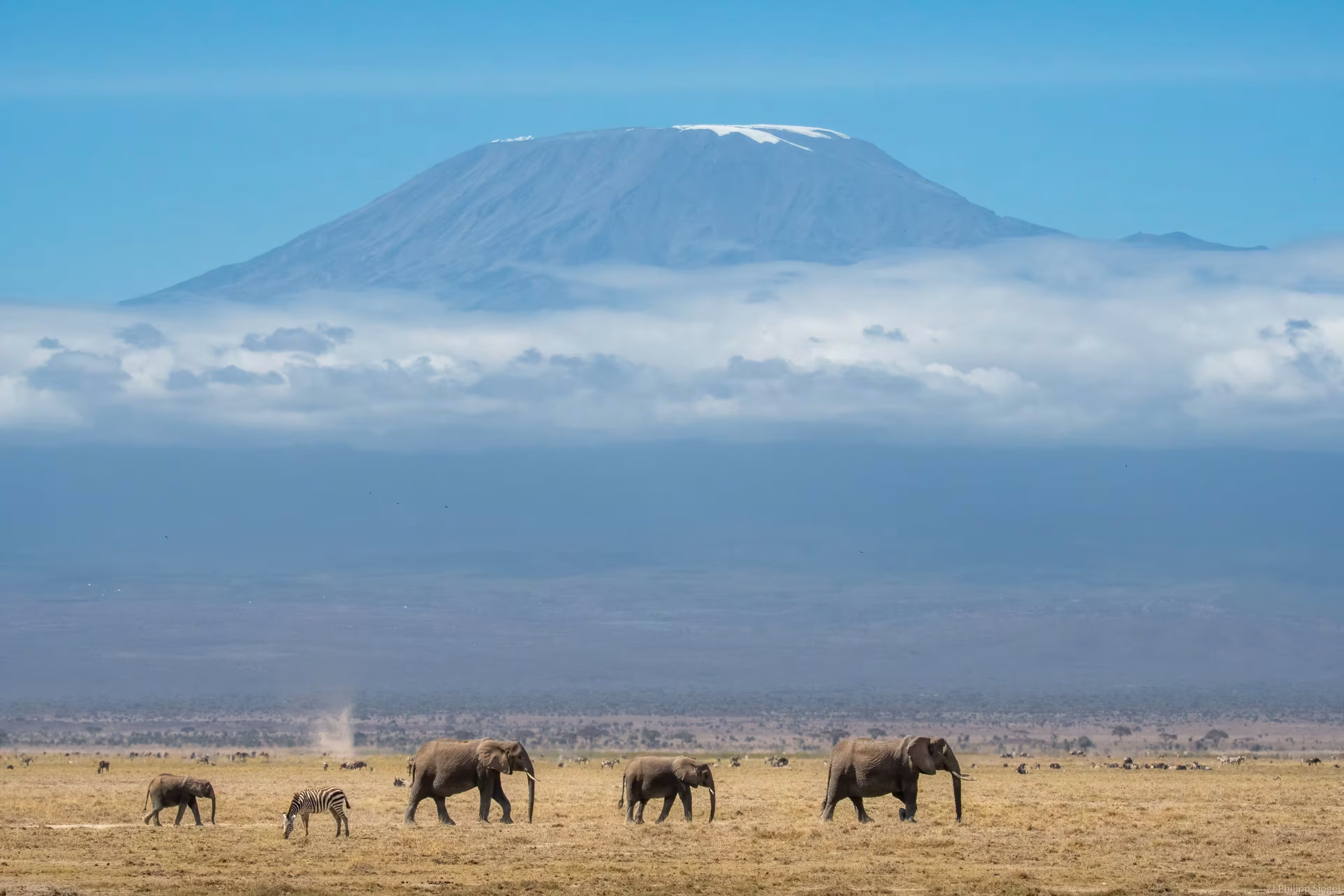
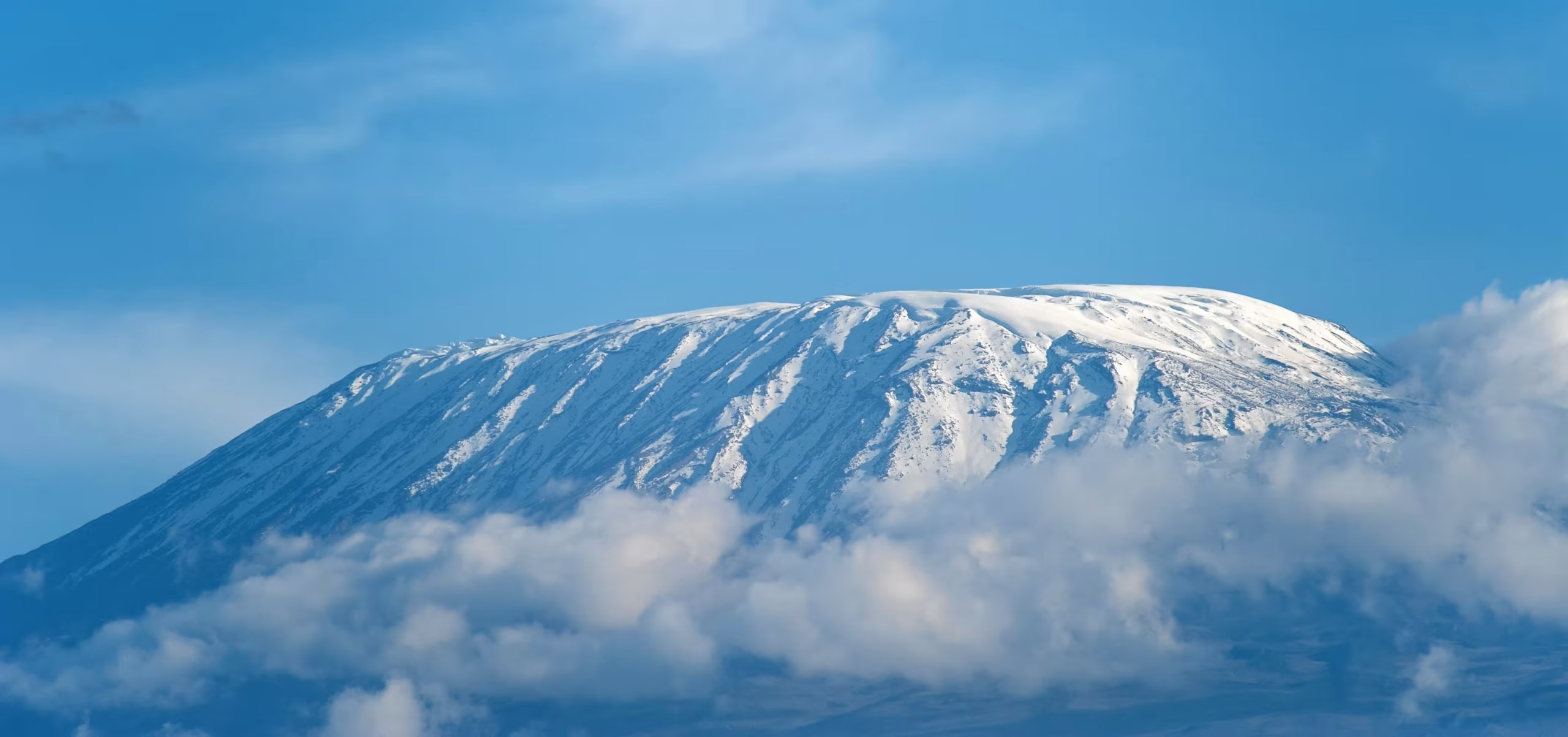
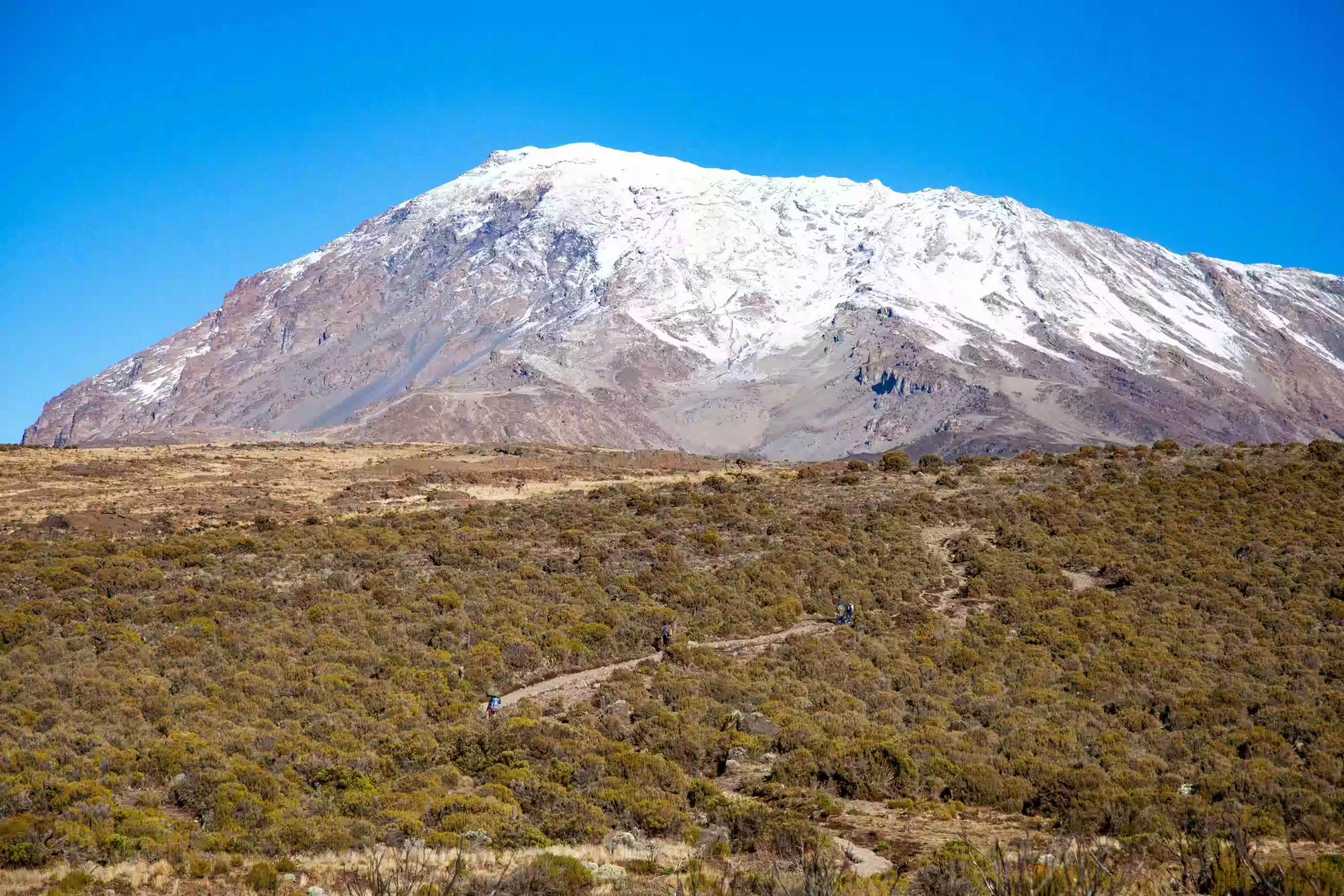
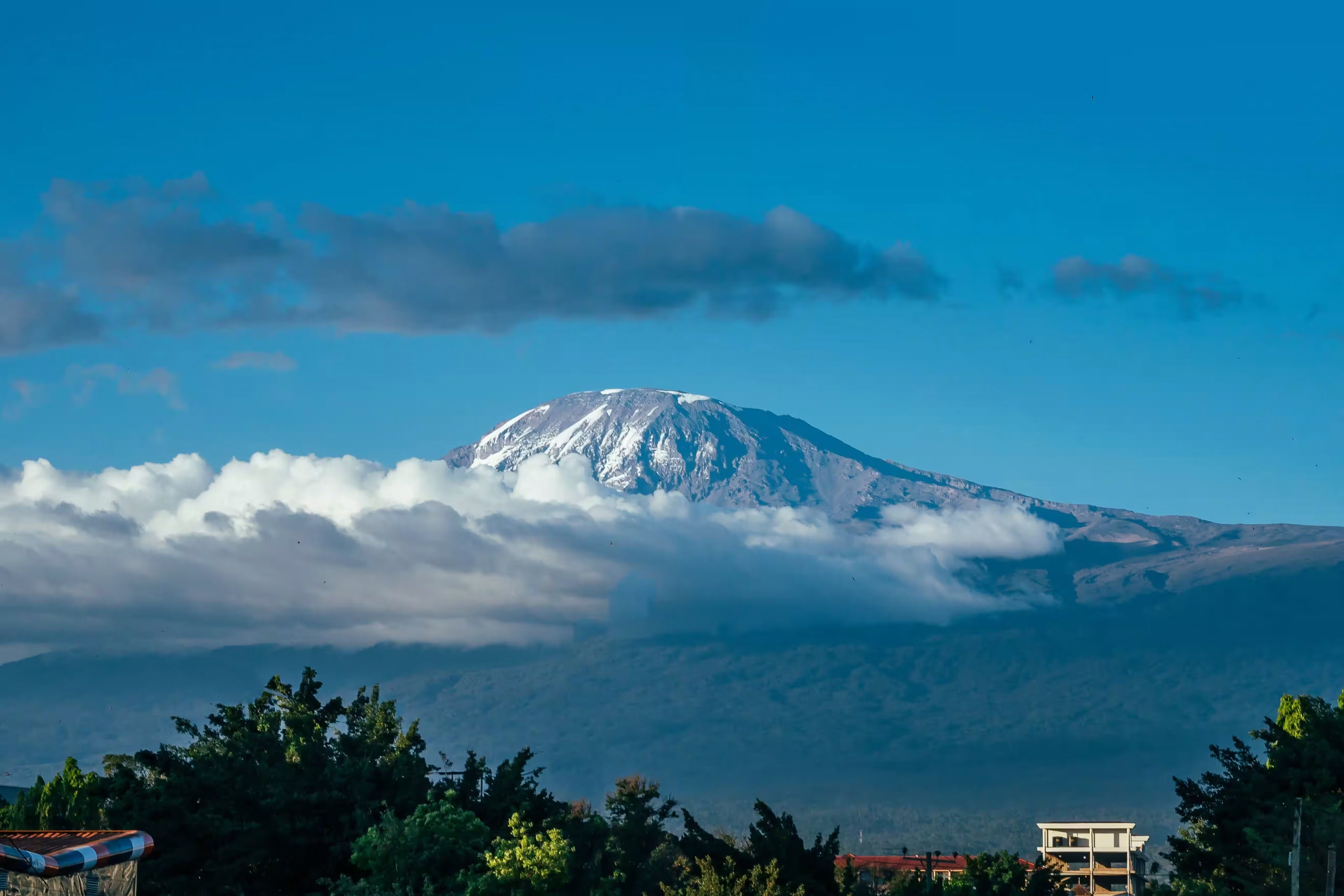
The roof of Africa - at 5,895 metres, Mount Kilimanjaro is the highest peak on the continent, and the world’s tallest free-standing mountain.
5,895 mUhuru Peak5-9 daysOn the mountainNo technicalClimbing needed
roof of africa Kilimanjaro Trekking band - 2400x1350

The roof of Africa - at 5,895 metres, Mount Kilimanjaro is the highest peak on the continent, and the world’s tallest free-standing mountain.

The experience

Mount Kilimanjaro is one of the world's great treks and the highest mountain in Africa, rising in solitary majesty from the plains of northern Tanzania to a snow-capped summit at 5,895 metres. It is the tallest free-standing mountain on earth - not part of any range - and, remarkably, a peak that ordinary, fit people can reach without technical climbing skills, ropes or ice axes. This combination of great height and non-technical accessibility is what draws tens of thousands of trekkers from around the world each year.

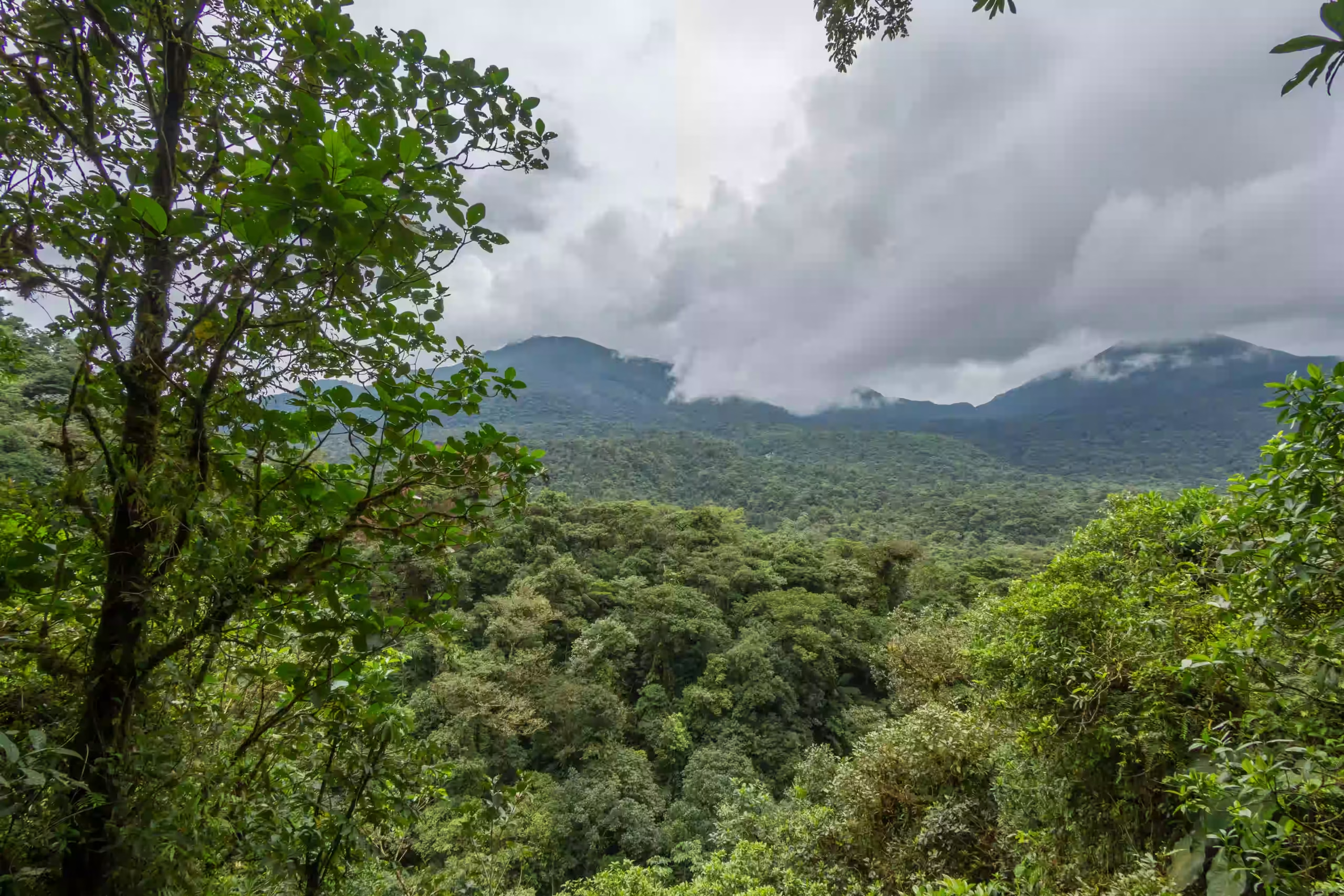
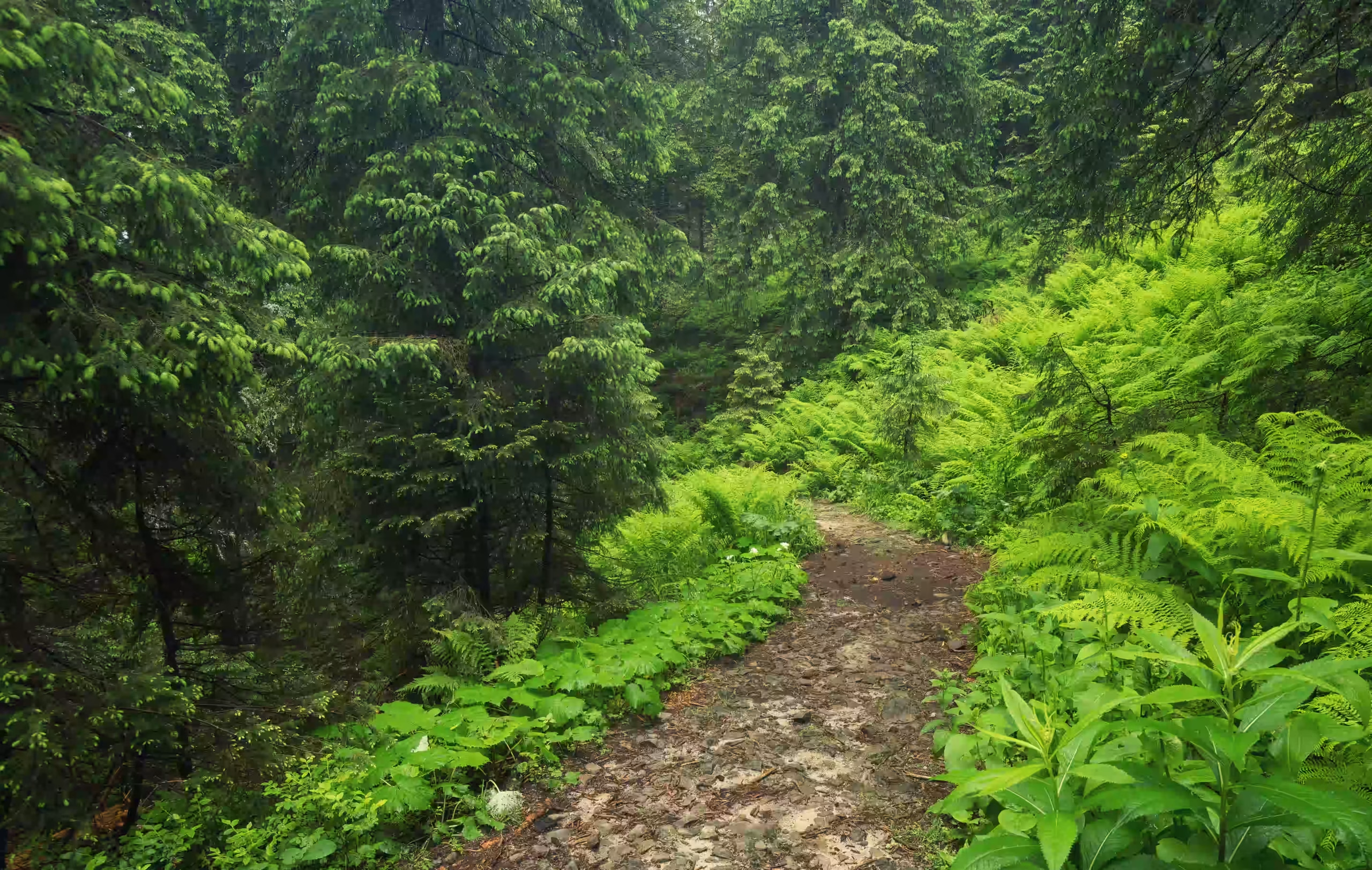
Climbing Kilimanjaro is nonetheless a serious undertaking. The route passes through five distinct climate zones - from cultivated foothills and rainforest through heath and moorland and alpine desert to the arctic summit - a journey often described as walking from the equator to the poles in a matter of days. The challenge is not the terrain but the altitude, and success depends above all on choosing a route that allows enough time to acclimatise, and on a slow, steady approach. Reaching Uhuru Peak, standing on the roof of Africa as the sun rises over the plains far below, is one of the most rewarding achievements in trekking.

The routes

The routes compared.

Kilimanjaro has several established routes, differing in scenery, difficulty, traffic and - crucially - how well they let you acclimatise. Here are the main ones.

Higher successModerateFor the experienced
01Higher success
Lemosho
A longer, scenic western approach with excellent acclimatisation and high success rates. Quieter in its early days, joining the Machame route later. Often the recommended choice.
02Higher success
Machame
The most popular route, known as the "Whiskey" route - scenic, varied and with good acclimatisation over 6-7 days. Busier, but deservedly loved. A strong all-round choice.
03Moderate
Rongai
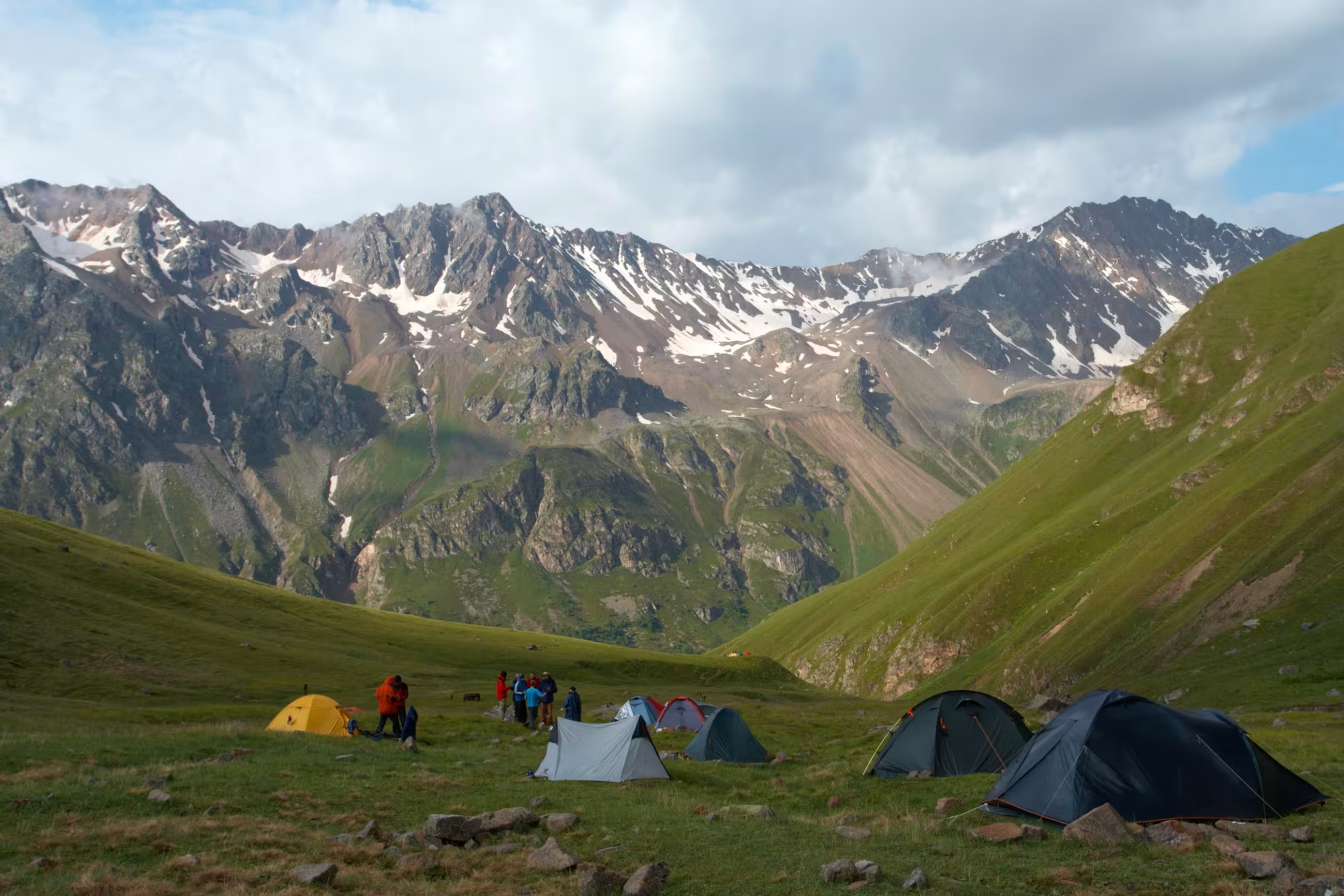
The only approach from the north, near the Kenyan border. Drier, quieter and gentler in gradient, though with slightly less dramatic scenery. A good option in the wetter months.
04Moderate
Marangu
The oldest route, nicknamed "Coca-Cola", and the only one with hut accommodation rather than camping. Often attempted too fast in 5 days, which lowers success rates.
05Higher success
Northern Circuit
The longest route, circling the mountain over 8-9 days. Superb acclimatisation, the highest success rates, quiet trails and 360-degree views. Best for those with time.

The challenge

Altitude, and acclimatisation.

The single most important thing to understand about Kilimanjaro is that the challenge is altitude, not technical difficulty. There is no climbing in the mountaineering sense - the summit is reached by walking - but the thin air above 4,000 metres affects everyone, and altitude sickness is the main reason trekkers fail to reach the top. Success is overwhelmingly a matter of giving your body time to adapt.

This is why route choice and duration matter so much. The longer routes - Lemosho, the eight-day Northern Circuit, or Machame over seven days rather than six - allow more gradual ascent and "climb high, sleep low" acclimatisation, and their success rates are markedly higher. The shorter options, particularly the five-day Marangu, give the body too little time to adjust and see many more trekkers turn back. The golden rules are to choose enough days, walk slowly - "pole pole" (slowly, slowly) is the mountain's mantra - drink plenty of water, and listen to your guides. With the right route and a patient approach, a fit trekker with no mountaineering experience has an excellent chance of standing on the summit.

Planning

Preparing to climb.

Success on Kilimanjaro comes down to preparation, route choice and pace. Choose enough days - the extra cost of a longer route is repaid in a far higher chance of reaching the summit, and a more enjoyable, less punishing climb. For most trekkers, a seven-day Machame or eight-day Lemosho or Northern Circuit is the sensible choice.

When to climb. The best times are the two dry seasons - January to mid-March, and June to October - when conditions are clearest and most stable. The long rains (late March to May) and short rains (November) make for wetter, harder climbs, though the Rongai route on the drier northern side is more forgiving in marginal months.

Fitness and preparation. You do not need to be an athlete, but good general fitness helps a great deal - regular hill walking, cardio and some long days on your feet in the months before are the best preparation. Consider a warm-up climb of nearby Mount Meru to acclimatise. On the mountain, walk slowly, drink three to four litres of water a day, eat well, and tell your guides honestly how you feel - they are experts at spotting and managing altitude issues. With the right route, sensible preparation and a patient, steady approach, the roof of Africa is within reach of ordinary determined trekkers.

Is it for you?

Who it suits.

Adventure seekers

Standing on the highest point in Africa is a genuine achievement, and Kilimanjaro offers that reward without the need for technical mountaineering skills.

Fit, determined trekkers

You need not be an athlete, but good general fitness and, above all, determination and a patient approach are the keys to reaching the summit.

Bucket-list climbers

As one of the Seven Summits and the roof of Africa, Kilimanjaro is a bucket-list goal for trekkers and adventurers worldwide.

Safari travellers wanting more

Kilimanjaro pairs naturally with a northern-circuit safari and a Zanzibar beach finish - mountain, wildlife and coast in one trip.

Questions

Kilimanjaro questions.

Mount Kilimanjaro rises to 5,895 metres (19,341 feet) at Uhuru Peak, making it the highest mountain in Africa and the tallest free-standing mountain in the world. Despite its great height, it can be climbed by fit, determined people without technical mountaineering skills - the main challenge is the altitude.
Lemosho and Machame are the most popular and highly recommended routes, offering scenic variety and good acclimatisation, while the eight-to-nine-day Northern Circuit has the highest success rates. The best route balances scenery, difficulty and, above all, enough days to acclimatise. Longer routes generally mean higher success.
Kilimanjaro requires no technical climbing - the summit is reached by walking - but it is a serious challenge because of the altitude. The thin air above 4,000 metres affects everyone, and altitude sickness is the main reason trekkers turn back. Success depends on choosing enough days, walking slowly, and a patient, well-prepared approach.
The best times are the two dry seasons - January to mid-March and June to October - when conditions are clearest and most stable. The long rains (late March to May) and short rains (November) make for wetter, more difficult climbs, though the northern Rongai route is more forgiving in marginal months.
Most routes take five to nine days, and more days mean better acclimatisation and a higher chance of success. A seven-day Machame or eight-day Lemosho or Northern Circuit is recommended for most trekkers. The five-day Marangu route gives the body too little time to adjust and has notably lower success rates.
You do not need to be an athlete, but good general fitness significantly improves your chances and enjoyment. Regular hill walking, cardio and long days on your feet in the months before are the best preparation, and a warm-up climb of nearby Mount Meru helps with acclimatisation. Determination and a patient pace matter as much as fitness.

Ready to experience it?

Tell us what you have in mind and a guide in Arusha will build you a route - within 24 hours, from a person, not a brochure.

Loading itinerary…
Saved Trips