Usa River, Arusha · Tanzania
+255 652 135 520
info@naratanzaniasafaris.co.tz
LOGONaraTanzania Safaris
Mega feature — Land Cruiser, Ndutu plains — 800×1000
Handmade journeys
LOGONaraTanzania Safaris
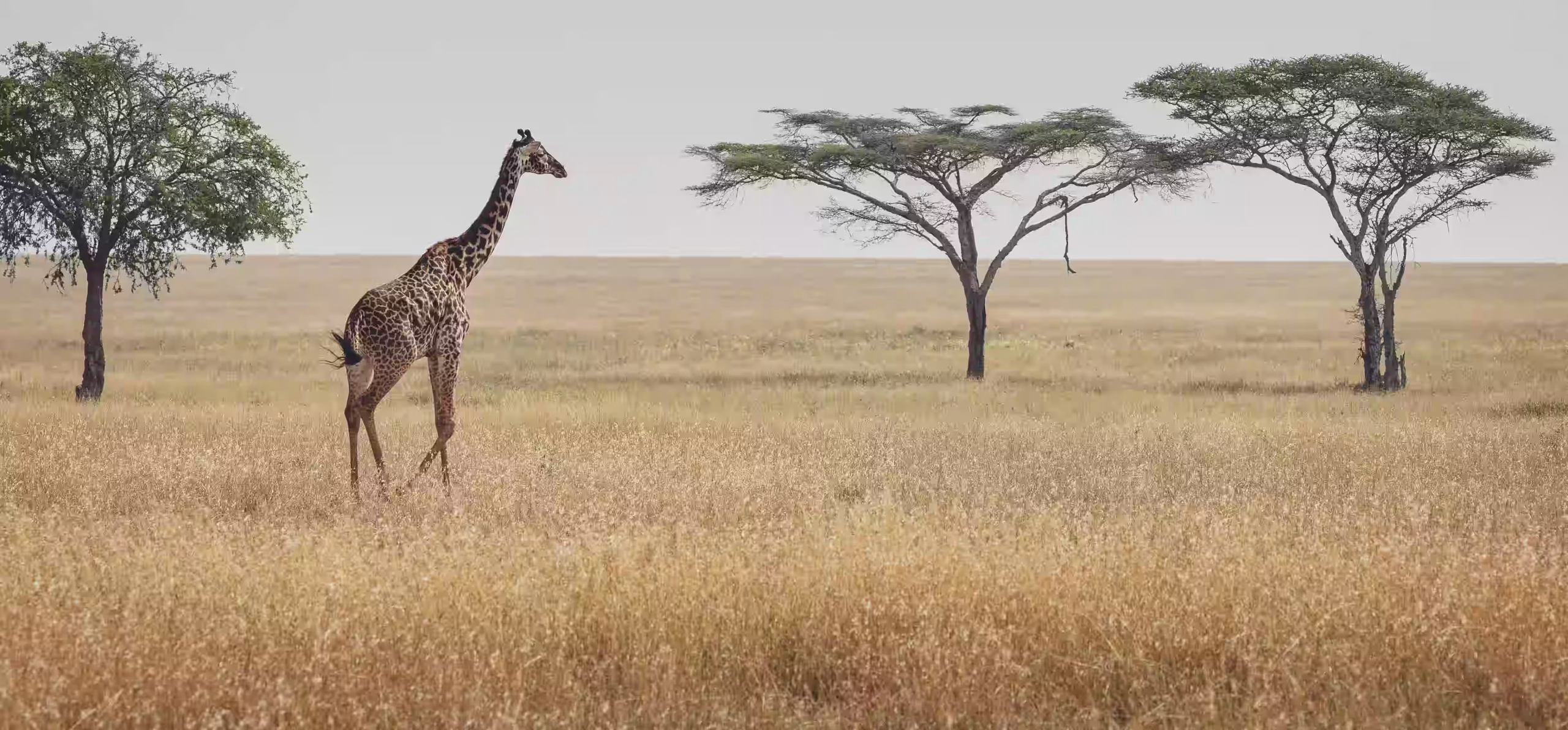
Tanzania rewards visitors year-round - but what you see changes with the season. Here is when to go, and why.
The year at a glance
The Dry Season - 1200x900The classic safari time. As the land dries, wildlife concentrates around rivers and waterholes, the vegetation thins for easy viewing, and the skies are clear. This is also river-crossing season for the Great Migration in the northern Serengeti. It is the busiest and priciest time - and, for many, the best.
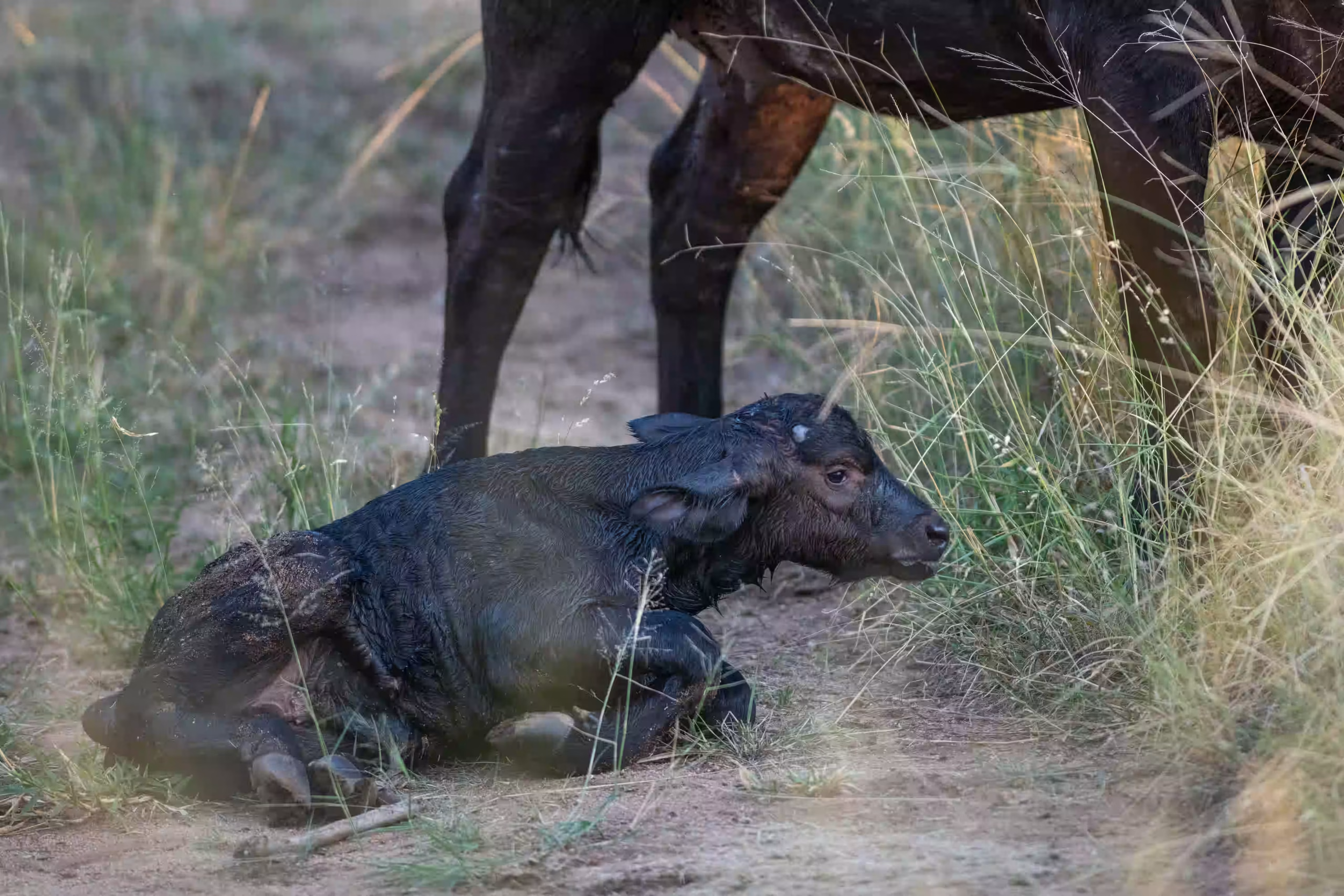
Calving Season - 1200x900On the southern Serengeti plains, around 500,000 wildebeest calves are born in a three-week window in February. The concentration of newborns makes this the finest time of year for predator action - lions, cheetah and hyena. Quieter than the crossing season, and spectacular.
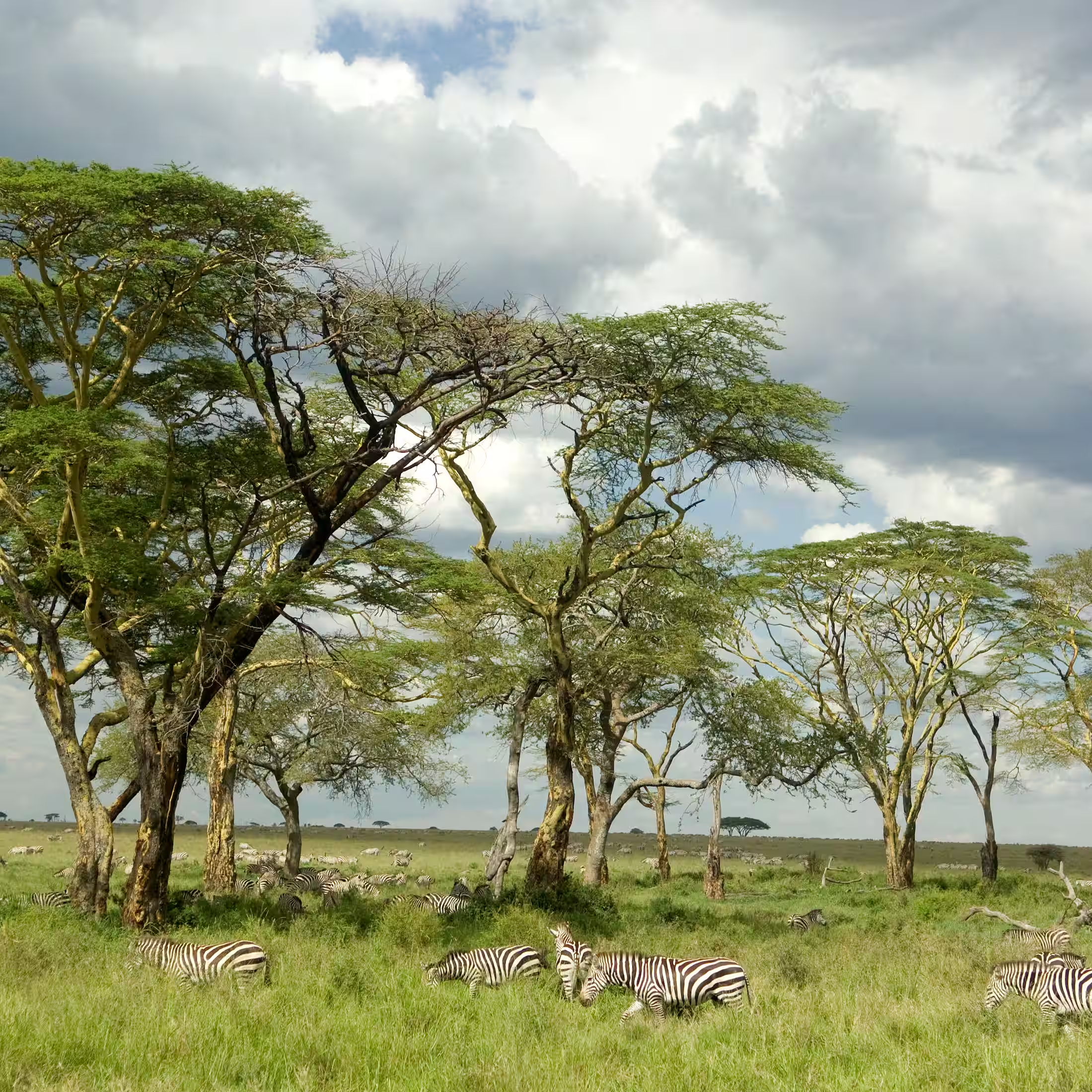
The Green Season - 1200x900The long rains bring lush, dramatic landscapes, newborn animals and superb birding as migratory species arrive. Some roads become difficult and a few camps close, but the scenery is at its most beautiful, the crowds thin, and prices are at their lowest. A photographer’s season.
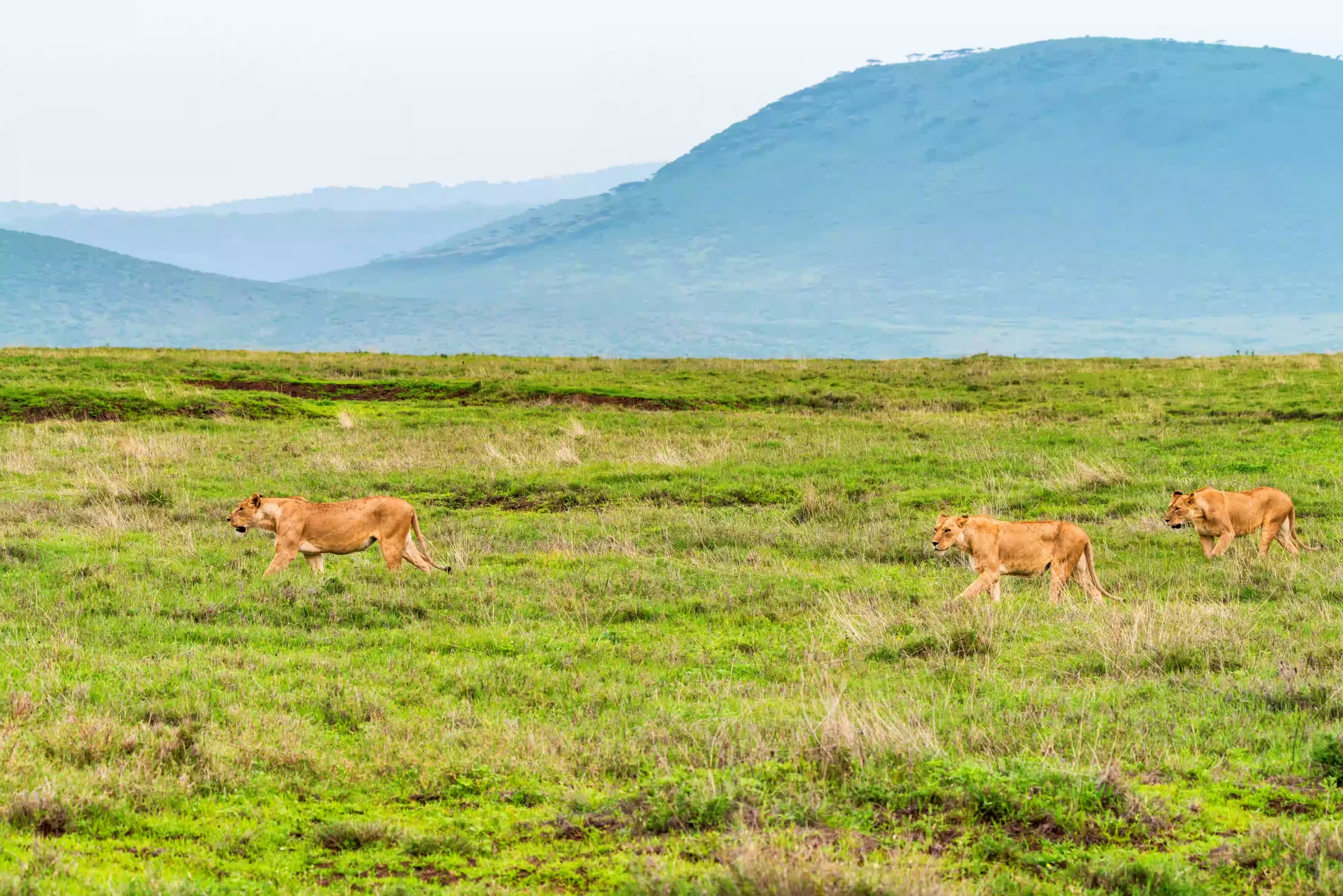
The Short Rains - 1200x900Brief afternoon showers freshen the plains and draw the migration herds back south. It is a genuine sweet spot - good value, green landscapes, few crowds, and the wildlife on the move - without the disruption of the long rains. An underrated time to travel.
With no single "best" time, the right season comes down to your priorities. If seeing the Great Migration river crossings is the dream, target July to October in the northern Serengeti. If you want the drama of predators and newborns, February's calving season on the southern plains is unmatched. If value, green landscapes and solitude appeal - and you don't mind some rain - the long-rains months of April and May offer the lowest prices and the fewest vehicles at every sighting.
For a combined safari and beach trip, the dry seasons are the safe choice, giving reliable weather in both the parks and on Zanzibar. And if you simply want the easiest wildlife viewing with the most comfortable weather, the classic June-to-October dry season delivers, which is exactly why it is the most popular - and busiest - time to travel. Whatever you choose, Tanzania rewards visitors in every month; the season simply shapes the character of the trip.
One final consideration is crowds and cost. The peak months of July, August, September and the December holidays bring the highest prices and the busiest parks, so booking well ahead is essential. The shoulder months of June, October and November offer a fine balance - good conditions, thinner crowds and better value - while the green season is quietest and cheapest of all. Balancing what you want to see against when you can travel is the heart of planning a Tanzanian safari.
— Questions
Tell us your dates and a guide in Arusha will match them to the right parks and route - within 24 hours.